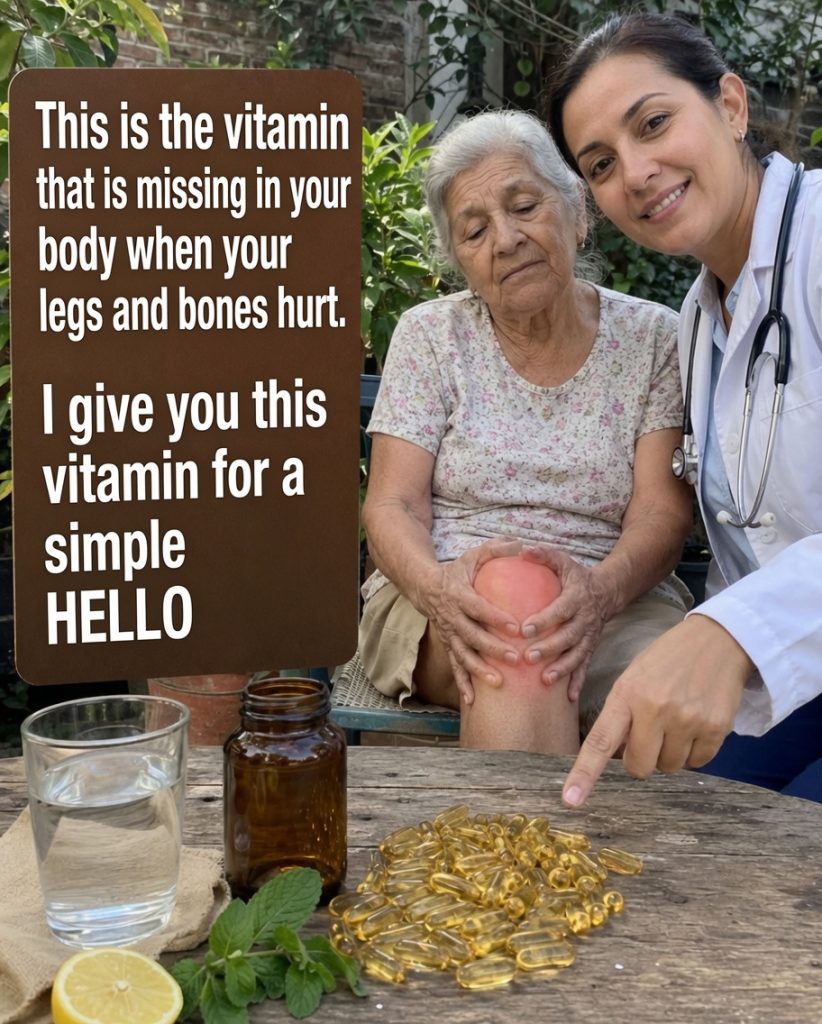
Have you ever experienced unexplained pain in your legs and bones? If so, a vitamin deficiency could be affecting your health more than you realize. In this article, we’ll explore the essential vitamin linked to bone and muscle health, why it’s so important, and practical ways to increase your intake naturally.
Why Vitamins Matter for Bone Health
Our legs and bones provide the foundation for movement and independence. When pain develops in these areas, it can interfere with daily activities and reduce overall quality of life.
While many factors can contribute to bone and leg discomfort, one common cause is a deficiency of key vitamins and minerals that support healthy bones and muscles.
Among these nutrients, vitamin D stands out as one of the most important. This essential vitamin helps the body absorb calcium and plays a critical role in maintaining strong bones. Low vitamin D levels have been associated with bone discomfort, muscle weakness, and reduced mobility, making adequate intake essential for overall wellness.
What Is Vitamin D and Why Is It So Important?
Vitamin D is a fat-soluble vitamin that your body can produce when your skin is exposed to sunlight. It can also be obtained through food and dietary supplements.
Once activated in the body, vitamin D helps regulate calcium and phosphorus levels, two minerals that are vital for building and maintaining healthy bones.
Unfortunately, vitamin D deficiency is common worldwide. Insufficient levels may contribute to:
- Bone pain
- Muscle weakness
- Fatigue
- Reduced mobility
- Increased risk of fractures
Maintaining healthy vitamin D levels can help support stronger bones and better overall health.
Natural Sources of Vitamin D
One of the best ways to increase vitamin D levels is through sensible sun exposure.
Depending on skin type, location, and season, spending approximately 15–30 minutes outdoors several times per week may help support natural vitamin D production.
You can also obtain vitamin D from foods such as:
- Fatty fish like salmon, mackerel, and sardines
- Egg yolks
- Fortified milk and dairy products
- UV-exposed mushrooms
- Vitamin D supplements (when recommended by a healthcare provider)
For optimal bone health, vitamin D should be combined with adequate calcium intake from foods like:
- Dairy products
- Leafy green vegetables
- Almonds and other nuts
- Calcium-fortified foods
Home Remedies That May Help Ease Leg and Bone Discomfort
In addition to maintaining healthy vitamin D levels, several simple home strategies may help reduce discomfort.
1. Alternate Warm and Cold Compresses
Switching between warm and cold compresses may help improve circulation and reduce temporary inflammation.
How to use:
- Apply a warm compress for 20 minutes
- Follow with a cold compress for 20 minutes
- Repeat as needed
2. Gentle Stretching Exercises
Regular stretching helps maintain flexibility and reduce muscle tension.
Benefits include:
- Improved mobility
- Better circulation
- Reduced stiffness
- Increased range of motion
Even a few minutes of stretching each day can make a noticeable difference.
3. Epsom Salt Baths
Epsom salt contains magnesium, a mineral involved in muscle function and relaxation.
How to use:
- Add ½ cup of Epsom salt to a warm bath.
- Soak for 15–20 minutes.
- Relax and allow your muscles to unwind.
Many people find this helpful for temporary relief from muscle soreness and fatigue.
When to Consult a Healthcare Professional
While dietary changes and natural remedies can support overall wellness, persistent leg or bone pain should not be ignored.
Consider speaking with a healthcare professional if:
- Pain continues for several weeks
- Symptoms worsen over time
- You experience significant weakness
- You suspect a nutritional deficiency
A doctor may recommend blood tests to evaluate vitamin D levels and identify other possible nutrient deficiencies.
Signs You May Be Low in Vitamin D
Common symptoms associated with low vitamin D levels include:
- Frequent muscle aches
- Bone discomfort
- Chronic fatigue
- Weakness in the legs
- Difficulty climbing stairs
- Increased susceptibility to illness
Because these symptoms can overlap with many other conditions, proper medical evaluation is important.
Tips for Maintaining Healthy Vitamin D Levels
To support healthy vitamin D status:
- Spend time outdoors regularly
- Eat vitamin D-rich foods
- Maintain a balanced diet rich in calcium and magnesium
- Stay physically active
- Discuss supplementation with your healthcare provider if needed
Final Thoughts
Leg and bone pain should not simply be accepted as a normal part of aging. Ensuring that your body receives adequate nutrients—especially vitamin D—can play an important role in supporting bone strength, muscle function, and overall mobility.
Small lifestyle changes, including a nutrient-rich diet, regular movement, and proper vitamin intake, can make a meaningful difference in how you feel each day.
Start taking care of your bone health today and discover how one essential vitamin may help support a more active and comfortable life.
Disclaimer: This article is for informational purposes only and does not replace professional medical advice, diagnosis, or treatment. Always consult a qualified healthcare provider regarding any health concerns or before starting supplements.