Cancer remains one of the most complex health challenges worldwide. Every day, countless articles and social media posts claim that certain foods, drinks, or natural remedies can instantly destroy cancer cells. But how much of this information is actually supported by science?
Understanding the facts is essential for making informed health decisions. In this article, we’ll explore what researchers currently know about cancer, the role of the immune system, and healthy lifestyle habits that may help support overall wellness.
Can Natural Remedies Instantly Eliminate Cancer Cells?
The simple answer is no.
There is currently no scientifically proven food, supplement, tea, juice, or home remedy capable of instantly eliminating cancer cells in the human body.
Cancer treatment typically involves evidence-based medical approaches such as:
- Surgery
- Chemotherapy
- Radiation therapy
- Immunotherapy
- Targeted therapies
- Hormone therapy (for certain cancers)
These treatments are developed through extensive research and should always be guided by qualified healthcare professionals.
Understanding How Cancer Develops
Cancer begins when abnormal cells grow and divide uncontrollably. Normally, the body has natural mechanisms that identify and remove damaged or abnormal cells before they become a problem.
However, cancer cells can sometimes evade these protective mechanisms and continue multiplying.
This is why early detection and proper medical treatment are so important.
The Role of the Immune System
Your immune system plays a critical role in protecting your body from infections and abnormal cell growth.
Researchers continue to study how immune cells recognize and destroy potentially harmful cells. This research has led to important advances in cancer treatment, including immunotherapy.
While no lifestyle habit can guarantee cancer prevention, supporting immune health is an important part of overall wellness.
Healthy Habits That May Help Reduce Cancer Risk
Although healthy habits cannot cure cancer, many studies suggest they may help reduce the risk of certain cancers and support long-term health.
1. Eat a Balanced, Nutrient-Rich Diet
A diet rich in fruits, vegetables, whole grains, legumes, and healthy fats provides essential nutrients and antioxidants.
Foods commonly associated with overall health include:
- Berries
- Leafy green vegetables
- Tomatoes
- Citrus fruits
- Nuts and seeds
- Beans and lentils
These foods contain compounds that help protect cells from oxidative stress.
2. Stay Physically Active
Regular exercise offers numerous health benefits, including:
- Supporting immune function
- Improving circulation
- Maintaining a healthy weight
- Reducing inflammation
Many health organizations recommend at least 150 minutes of moderate physical activity per week.
3. Avoid Tobacco Products
Tobacco use remains one of the leading preventable causes of cancer worldwide.
Quitting smoking can significantly reduce the risk of several cancers, including lung, throat, and bladder cancer.
4. Limit Alcohol Consumption
Excessive alcohol consumption has been linked to an increased risk of various cancers.
Moderation is recommended as part of a healthy lifestyle.
5. Prioritize Quality Sleep
Sleep is essential for the body’s repair and recovery processes.
Adults should generally aim for 7–9 hours of quality sleep per night.
6. Manage Stress Effectively
Chronic stress may negatively affect overall health and well-being.
Helpful stress-management practices include:
- Walking outdoors
- Meditation
- Deep breathing exercises
- Yoga
- Spending time with loved ones
7. Attend Regular Health Screenings
Routine medical checkups and cancer screenings can help detect problems early, when treatment may be more effective.
Screening recommendations vary based on age, sex, family history, and other risk factors.
Are Natural Foods and Herbs Beneficial?
Natural foods and herbs can play a positive role in a healthy lifestyle.
Many contain beneficial compounds such as:
- Antioxidants
- Vitamins
- Minerals
- Phytochemicals
These nutrients may help support overall health and wellness.
However, it is important to understand that natural products are not substitutes for professional cancer treatment.
Always discuss supplements or herbal remedies with your healthcare provider, especially if you are undergoing medical treatment.
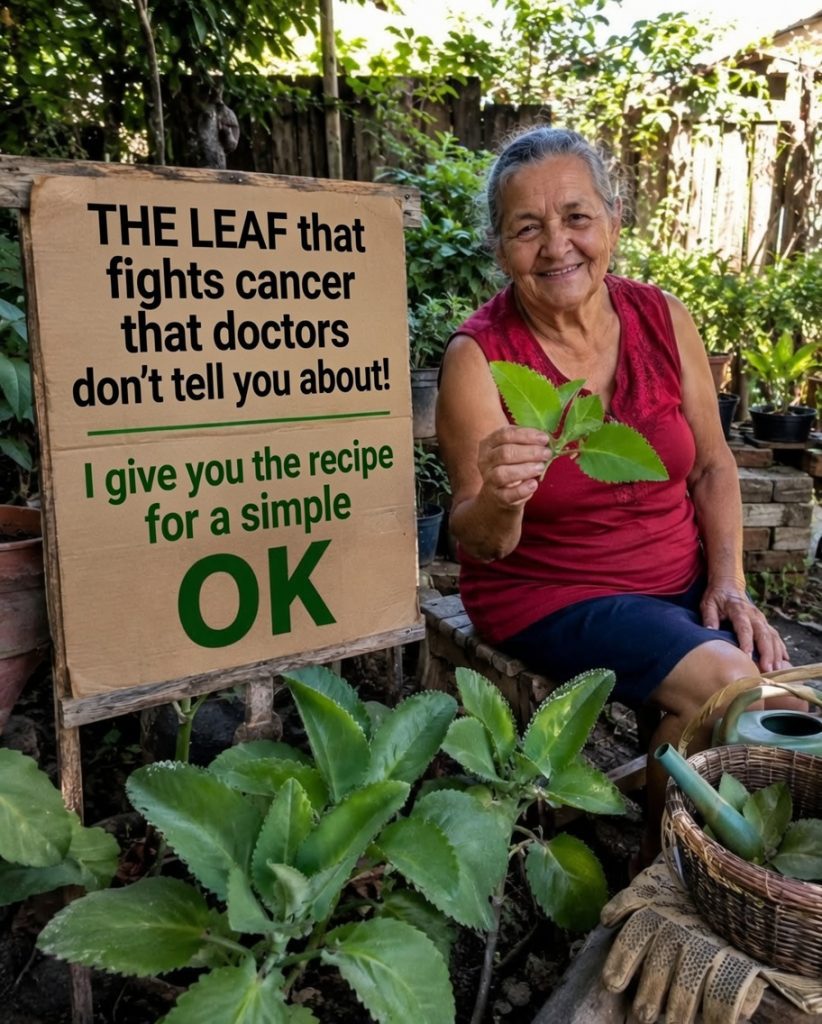
Beware of “Miracle Cure” Claims
When evaluating health information online, be cautious of statements such as:
- “Destroys cancer cells instantly”
- “Guaranteed cure”
- “Doctors don’t want you to know this secret”
- “One ingredient eliminates tumors overnight”
These claims are often unsupported by scientific evidence and may be misleading.
Delaying or avoiding medical treatment based on unverified information can be dangerous.
Frequently Asked Questions
Can any food kill cancer cells instantly?
No. There is currently no scientific evidence showing that any food can instantly eliminate cancer cells in the human body.
Can a healthy diet prevent cancer?
A healthy diet may help reduce the risk of certain cancers, but it cannot guarantee prevention.
Should natural remedies replace cancer treatment?
No. Natural remedies should never replace professional medical care or prescribed cancer treatments.
What is the best way to reduce cancer risk?
A combination of healthy lifestyle habits, regular screenings, avoiding tobacco, maintaining a healthy weight, and following medical advice offers the best approach to reducing risk.
Final Thoughts
While there is no natural remedy capable of instantly eliminating cancer cells, healthy lifestyle choices can play an important role in supporting overall wellness and reducing risk factors.
A balanced diet, regular exercise, adequate sleep, stress management, and routine medical care remain some of the most effective strategies for long-term health.
When it comes to cancer prevention and treatment, evidence-based medical guidance is essential. Always consult qualified healthcare professionals before making decisions about your health.
Medical Disclaimer: This article is for informational and educational purposes only. It does not provide medical advice, diagnosis, or treatment. Always consult a licensed healthcare professional regarding any medical condition or treatment options.