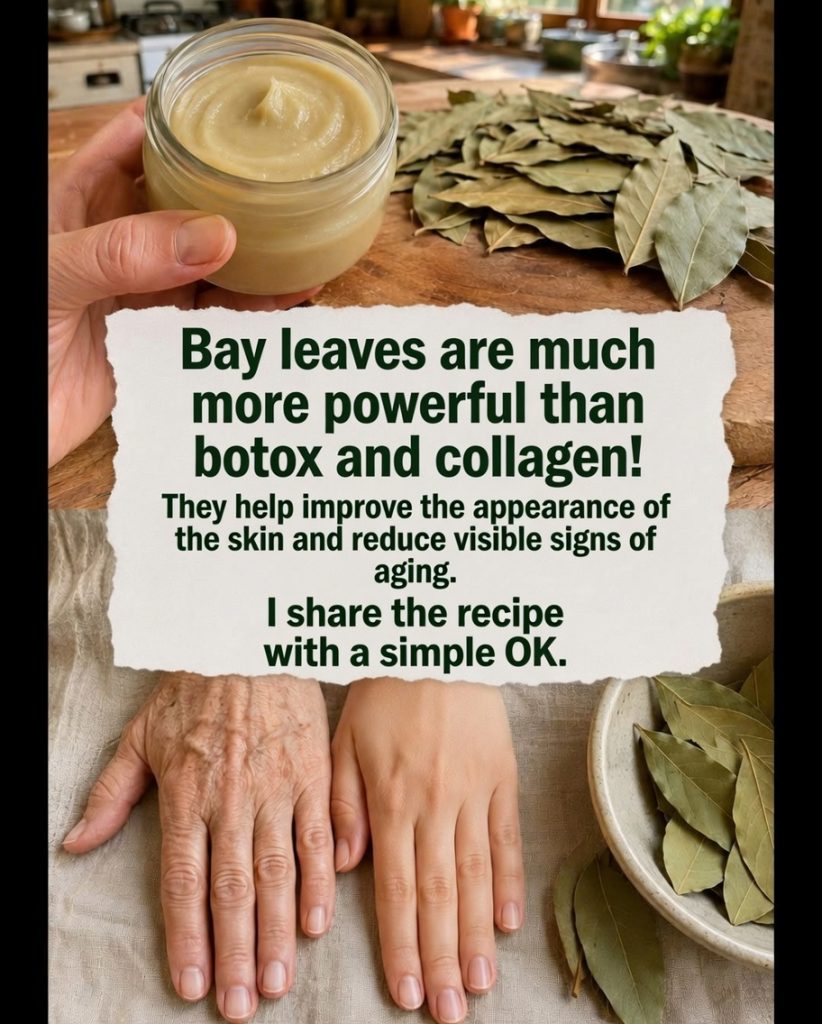
In recent years, natural skincare remedies have gained enormous popularity. Among the many ingredients trending online, bay leaves have attracted attention for their potential skin benefits. Some viral posts even claim that bay leaves can work as a natural alternative to Botox.
But is there any truth behind these claims?
While bay leaves contain beneficial plant compounds that may support skin health, it is important to separate facts from myths. In this article, you’ll discover what science says about bay leaves, their potential skincare benefits, and simple ways to incorporate them into your beauty routine.
What Are Bay Leaves?
Bay leaves come from the Laurus nobilis tree, an evergreen plant native to the Mediterranean region. For centuries, these aromatic leaves have been used in cooking, traditional wellness practices, and herbal preparations.
Bay leaves contain several naturally occurring compounds, including:
- Antioxidants
- Essential oils
- Vitamin A
- Vitamin C
- Polyphenols
These nutrients contribute to their growing popularity in natural skincare routines.
Can Bay Leaves Remove Wrinkles?
The short answer is no.
Bay leaves cannot eliminate wrinkles, replace collagen, or produce the same effects as cosmetic procedures such as Botox injections.
However, they may help support healthier-looking skin through their antioxidant and soothing properties.
Potential Benefits of Bay Leaves for Skin
1. Rich in Antioxidants
Antioxidants help protect the skin from oxidative stress caused by free radicals, environmental pollution, and UV exposure.
Over time, oxidative stress can contribute to premature skin aging. Including antioxidant-rich ingredients in a skincare routine may help maintain a more youthful appearance.
2. Supports a Brighter Complexion
Many people use bay leaf preparations as facial toners because they may help refresh and revitalize the skin.
Potential benefits include:
- Improved skin radiance
- Fresher appearance
- Smoother-looking texture
3. Natural Soothing Properties
Bay leaves contain compounds traditionally associated with calming and soothing effects.
Some users report that bay leaf-infused preparations help:
- Reduce temporary redness
- Calm irritated skin
- Support overall skin comfort
4. Temporary Firming Effect
A bay leaf facial toner may provide a temporary tightening sensation, giving skin a slightly firmer appearance.
While this effect is not permanent, it may contribute to a refreshed look.
Bay Leaves vs. Botox: Understanding the Difference
| Feature | Bay Leaves | Botox |
|---|---|---|
| Natural Ingredient | Yes | No |
| Improves Skin Appearance | May Help | Yes |
| Reduces Deep Wrinkles | No | Yes |
| Results | Gradual | Rapid |
| Medical Procedure | No | Yes |
The comparison makes one thing clear:
Bay leaves can complement a skincare routine, but they cannot replicate the effects of professional cosmetic treatments.
How to Use Bay Leaves for Skin Care
Bay Leaf Facial Toner
Ingredients
- 5 to 6 dried bay leaves
- 1 cup water
Instructions
- Bring water to a boil.
- Add bay leaves.
- Simmer for 10 minutes.
- Remove from heat and allow to cool.
- Strain the liquid.
- Store in a clean spray bottle.
How to Use
Apply to clean skin using a cotton pad or facial mist once daily.
Bay Leaf Facial Steam
Facial steaming can help cleanse pores and refresh the skin.
Instructions
- Boil water.
- Add several bay leaves.
- Carefully place your face above the steam.
- Cover your head with a towel.
- Steam for 5–10 minutes.
This method may help improve circulation and leave skin feeling refreshed.
Hydrating Bay Leaf Mask
Ingredients
- 2 tablespoons plain yogurt
- 1 teaspoon honey
- 2 tablespoons cooled bay leaf tea
Instructions
- Mix all ingredients.
- Apply to clean skin.
- Leave on for 15 minutes.
- Rinse with lukewarm water.
This mask may help provide hydration and temporary softness.
Common Myths About Bay Leaves
Myth: Bay Leaves Erase Wrinkles Overnight
False.
No natural ingredient can permanently remove wrinkles overnight.
Myth: Bay Leaves Work Better Than Botox
False.
Botox affects facial muscles, while bay leaves simply provide skincare support.
Myth: Bay Leaves Replace Collagen
False.
Bay leaves do not replace collagen production or collagen-based treatments.
Additional Ways to Support Healthy-Looking Skin
For best results, combine skincare with healthy lifestyle habits:
Stay Hydrated
Drinking enough water supports overall skin health.
Eat Antioxidant-Rich Foods
Include:
- Berries
- Citrus fruits
- Leafy greens
- Nuts and seeds
Wear Sunscreen Daily
Sun exposure remains one of the leading causes of premature skin aging.
Get Enough Sleep
Quality sleep supports the body’s natural repair processes.
Manage Stress
Chronic stress may negatively affect skin appearance and overall wellness.
Precautions
Before using bay leaves on your skin:
- Perform a patch test first.
- Discontinue use if irritation occurs.
- Avoid direct contact with eyes.
- Consult a dermatologist if you have sensitive skin or existing skin conditions.
Frequently Asked Questions
Are bay leaves safe for facial use?
Generally, bay leaf-infused preparations are considered safe when used externally and appropriately. Always perform a patch test before full application.
How long does it take to see results?
Results vary from person to person. Improvements in skin appearance are typically gradual and depend on overall skincare habits.
Can bay leaves remove deep wrinkles?
No. Bay leaves may support healthier-looking skin but cannot eliminate deep wrinkles.
Final Thoughts
Bay leaves are a versatile herb that may offer several skincare benefits thanks to their antioxidant and soothing properties. While they are not a substitute for medical or cosmetic treatments, they can be a simple addition to a balanced skincare routine.
Healthy skin is usually the result of consistent habits, including hydration, sun protection, proper nutrition, and gentle skincare practices.
Natural remedies like bay leaves may play a supportive role—but realistic expectations are key.
Disclaimer: This article is for informational purposes only and does not constitute medical advice. Consult a qualified healthcare professional or dermatologist before making changes to your skincare routine.