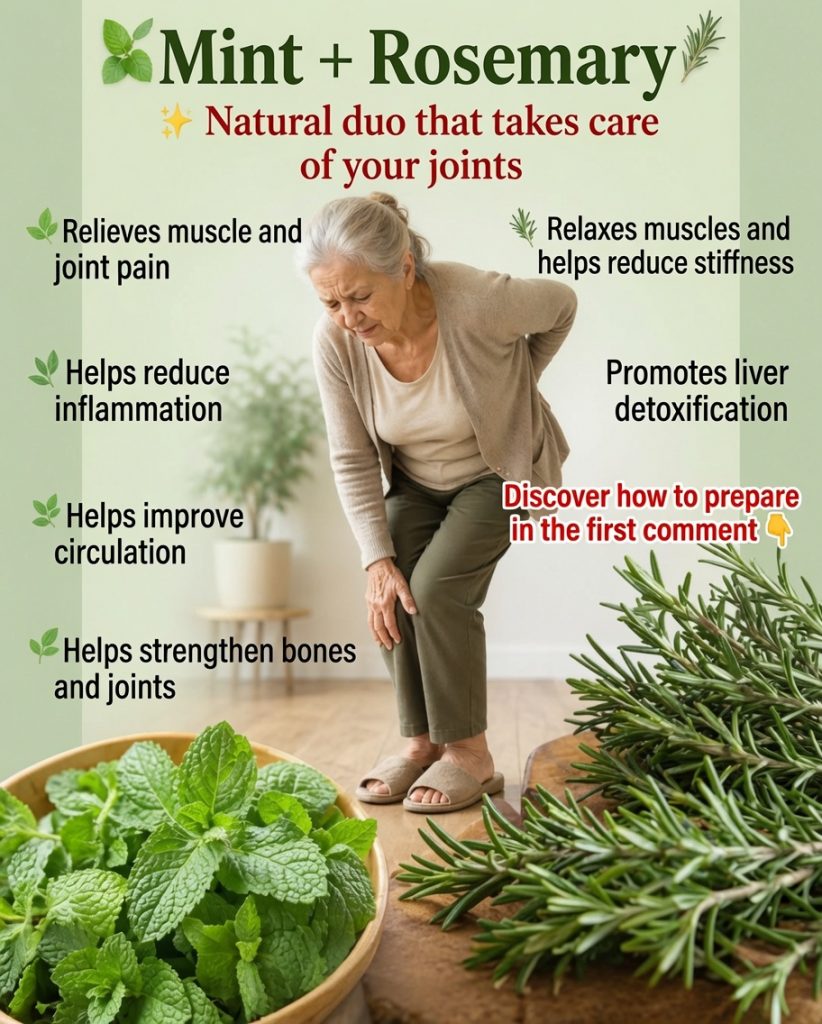
Spearmint and Rosemary: Two Traditional Herbs for Everyday Joint Wellness
Stiff knees after a long walk, aching hips after gardening, or occasional joint discomfort can make everyday activities feel more challenging. While aging, physical activity, and lifestyle all play a role in joint health, many people also explore natural ways to complement their wellness routine.
Among the herbs that have been valued for generations are spearmint (Mentha spicata) and rosemary (Salvia rosmarinus, formerly Rosmarinus officinalis). These aromatic plants have a long history in traditional herbal practices and are appreciated for their naturally occurring plant compounds and refreshing aromas.
Although these herbs are not a cure or treatment for arthritis or joint disease, they may provide a soothing addition to a balanced lifestyle focused on movement, nutrition, and overall well-being.
Why Joint Comfort Matters
Healthy joints allow us to perform countless daily activities, including:
- Walking comfortably
- Climbing stairs
- Gardening
- Exercising
- Carrying groceries
- Playing with children or grandchildren
As we age, cartilage naturally changes, muscles become less flexible, and recovery may take longer after physical activity. Supporting joint health through healthy habits becomes increasingly important.
Spearmint: A Refreshing Herb with Traditional Uses
Spearmint is one of the world’s most popular culinary herbs. Beyond its pleasant flavor, it contains naturally occurring compounds including:
- Rosmarinic acid
- Flavonoids
- Essential oils
- Menthol (in smaller amounts than peppermint)
Traditionally, spearmint has been enjoyed for its ability to promote comfort and relaxation.
Potential Wellness Benefits
Research has explored spearmint for its potential to support:
- Antioxidant activity
- Digestive wellness
- Relaxation
- General comfort after physical activity
Its cooling aroma also makes it a popular ingredient in herbal baths, teas, and massage preparations.
Rosemary: A Classic Mediterranean Herb
Rosemary has been used for centuries in cooking and traditional herbal practices.
Its leaves naturally contain:
- Rosmarinic acid
- Carnosic acid
- Carnosol
- Essential oils
These plant compounds have attracted scientific interest because of their antioxidant properties.
Traditionally Associated With
Rosemary has long been used to support:
- Healthy circulation
- Muscle relaxation
- Everyday mobility
- General wellness
Many people also enjoy rosemary in massage oils because of its warming sensation.
Why Combine Spearmint and Rosemary?
These two herbs complement each other well.
Spearmint provides a naturally cooling and refreshing sensation, while rosemary is traditionally associated with warmth and circulation.
Together they create an aromatic herbal blend that many people enjoy as part of self-care routines after physical activity.
Homemade Herbal Compress
A warm herbal compress is one traditional way to enjoy these plants.
Ingredients
- 2 cups fresh spearmint leaves
- 2 cups fresh rosemary leaves
- 1 cup hot water
- Clean cotton cloth or muslin
- Elastic bandage or towel (optional)
How to Prepare
- Wash the herbs thoroughly.
- Chop the leaves into small pieces.
- Place them in a heat-safe bowl.
- Pour hot (not boiling) water over the herbs.
- Cover and steep for about 15 minutes.
- Soak the cloth in the warm herbal infusion.
- Wring out excess liquid.
- Place the cloth over the desired area.
- Leave it on for 20–30 minutes.
- Remove and gently dry the skin.
Repeat as desired.
Optional Herbal Bath
Another relaxing option is adding these herbs to a warm bath.
You’ll Need
- 1 cup fresh rosemary
- 1 cup fresh spearmint
- 2 liters of hot water
Steep the herbs for 20 minutes, strain the liquid, and pour it into warm bathwater.
This creates an aromatic soak that many people find relaxing after a physically active day.
Can You Drink Spearmint and Rosemary Tea?
Many people also enjoy these herbs as an herbal tea.
Ingredients
- 1 teaspoon dried rosemary
- 1 teaspoon dried spearmint
- 1 cup hot water
- Honey or lemon (optional)
Directions
- Pour hot water over the herbs.
- Cover and steep for 8–10 minutes.
- Strain.
- Enjoy warm.
This tea is appreciated primarily for its pleasant flavor and aromatic qualities.
Healthy Habits That Support Joint Health
Herbal remedies work best alongside healthy lifestyle choices.
Stay Physically Active
Low-impact activities such as:
- Walking
- Swimming
- Cycling
- Yoga
- Gentle stretching
help maintain flexibility and muscle strength.
Eat a Balanced Diet
Focus on foods rich in:
- Colorful vegetables
- Fruits
- Whole grains
- Lean proteins
- Healthy fats
- Omega-3 fatty acids
These nutrients support overall health and normal body function.
Maintain a Healthy Weight
Keeping body weight within a healthy range helps reduce everyday stress on the knees, hips, and ankles.
Stay Hydrated
Water supports normal joint lubrication and overall health.
Prioritize Quality Sleep
Rest allows the body to recover after daily activity and exercise.
Safety Considerations
Although culinary herbs are generally safe for most healthy adults, keep these points in mind:
- Perform a patch test before applying herbal preparations to the skin.
- Avoid applying herbal compresses to broken or irritated skin.
- Stop use if irritation develops.
- Speak with a healthcare professional before using herbal products regularly if you are pregnant, breastfeeding, or taking prescription medications.
Frequently Asked Questions
Can these herbs regenerate cartilage?
There is currently no strong scientific evidence that spearmint or rosemary regenerate damaged cartilage in humans.
Can they replace arthritis treatment?
No. Herbal preparations should never replace medical diagnosis or prescribed treatment for arthritis or other joint diseases.
How often can I use the herbal compress?
Many people use it several times per week as part of a relaxation routine, provided the skin remains comfortable.
Is drinking the tea enough?
Herbal tea can be a pleasant addition to a healthy lifestyle, but long-term joint health depends on nutrition, physical activity, weight management, and appropriate medical care when needed.
Final Thoughts
Spearmint and rosemary have earned their place in traditional herbal wellness thanks to their pleasant aromas, antioxidant-rich plant compounds, and long history of culinary and traditional use. Whether enjoyed as a warm herbal tea, a relaxing bath, or a soothing compress, these herbs can become part of a balanced self-care routine.
While they are not miracle remedies or medical treatments, pairing natural herbs with regular exercise, nutritious meals, good sleep, and healthy daily habits may help you feel more comfortable and stay active throughout the years.
Disclaimer: This article is intended for educational purposes only and does not provide medical advice. Herbal remedies should not replace professional diagnosis or treatment. If you experience persistent joint pain, swelling, redness, or reduced mobility, consult a qualified healthcare provider.