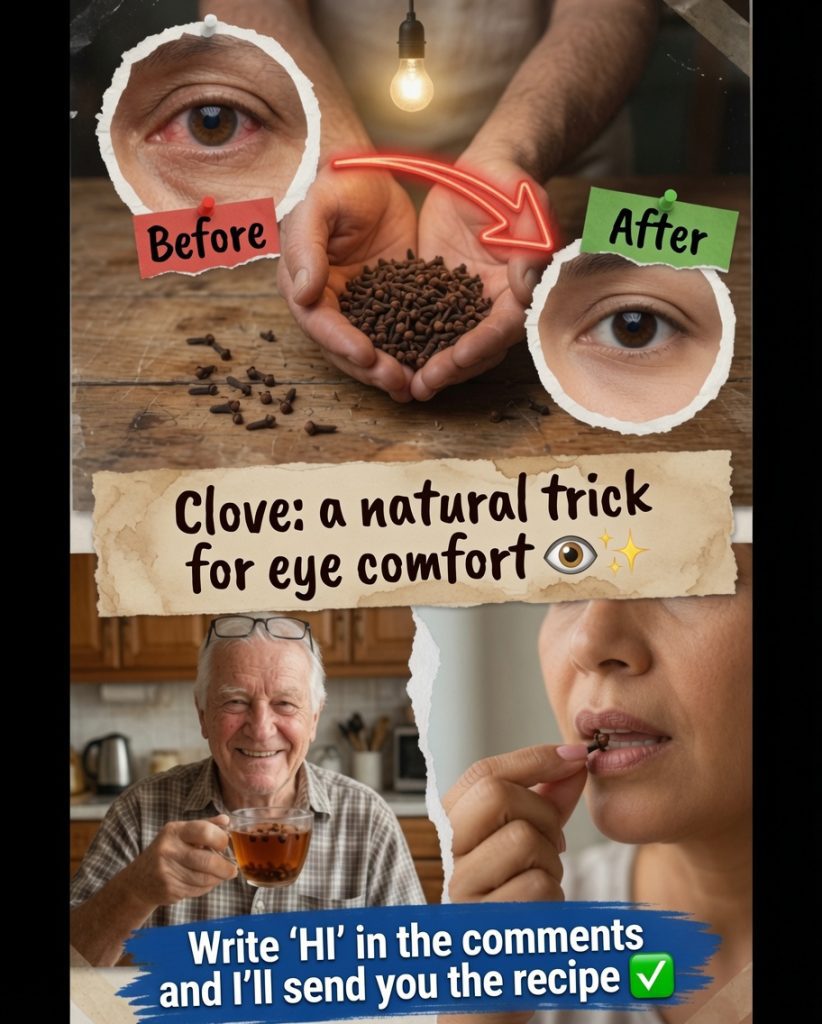
Cloves: A Small Spice with Big Antioxidant Potential
Cloves are best known for their warm aroma and rich flavor, but this ancient spice has been valued for centuries far beyond the kitchen. From traditional herbal practices to modern scientific research, cloves continue to attract attention for their naturally occurring antioxidants and beneficial plant compounds.
Although cloves are not a cure for disease, they can be a nutritious addition to a balanced diet and may support overall wellness when enjoyed in moderation.
Let’s take a closer look at what makes this remarkable spice unique and how you can easily include it in your daily routine.
What Makes Cloves So Special?
Cloves are the dried flower buds of the evergreen tree Syzygium aromaticum, native to Southeast Asia.
Despite their small size, they are naturally rich in:
- Eugenol
- Polyphenols
- Flavonoids
- Manganese
- Dietary fiber
- Natural antioxidants
Among these compounds, eugenol has been studied the most for its antioxidant and aromatic properties.
The Science Behind Eugenol
Eugenol is the primary essential oil found in cloves and is responsible for much of their distinctive aroma.
Researchers have investigated eugenol for its ability to:
- Act as an antioxidant
- Help protect cells from oxidative stress
- Support normal inflammatory responses
- Contribute to oral health
Although promising, these findings do not mean cloves can prevent or treat disease. Most evidence supports enjoying cloves as part of an overall healthy dietary pattern.
Potential Health Benefits of Cloves
1. Supports Cellular Health
Every day, the body naturally produces unstable molecules known as free radicals.
A diet rich in antioxidants helps protect cells from oxidative stress, and cloves are among the richest natural dietary sources of antioxidant compounds.
2. Supports Oral Hygiene
Cloves have been used traditionally to freshen breath and promote oral comfort.
Modern research has explored the antimicrobial properties of compounds found in cloves, although they should never replace brushing, flossing, or professional dental care.
3. Complements Eye-Healthy Nutrition
Healthy vision depends on many nutrients, including vitamins A, C, E, zinc, and antioxidants.
While cloves contribute antioxidants to the diet, they should be viewed as one small part of an overall nutrient-rich eating pattern rather than a specific eye health treatment.
4. Supports Digestive Comfort
Many cultures traditionally enjoy clove tea after meals.
Its warm aroma and distinctive flavor make it a popular herbal beverage for digestive comfort.
5. Adds Valuable Plant Compounds to the Diet
Including a variety of herbs and spices in your meals increases dietary diversity and naturally boosts your intake of beneficial phytochemicals.
Simple Ways to Enjoy Cloves
1. Classic Clove Tea
One of the easiest ways to enjoy cloves is as a warm herbal infusion.
Ingredients
- 3 to 4 whole cloves
- 1 cup (250 ml) hot water
- Optional: fresh lemon slice
- Optional: 1 teaspoon honey
Instructions
- Bring the water to a boil.
- Place the cloves in a cup.
- Pour the hot water over them.
- Cover and steep for 10 to 15 minutes.
- Remove the cloves before drinking.
- Add honey or lemon if desired.
Many people enjoy this tea after meals or during cooler weather.
2. Homemade Clove Mouth Rinse
This traditional preparation can leave your mouth feeling fresh.
Ingredients
- 5 to 6 whole cloves
- 1 cup water
Instructions
- Simmer the cloves in water for about 5 minutes.
- Allow the liquid to cool completely.
- Strain before use.
- Swish gently after brushing your teeth.
- Spit out after rinsing.
Do not swallow the mouth rinse.
3. Chewing Whole Cloves
Some people chew one whole clove after meals to freshen their breath.
Because cloves have a very strong flavor, one clove is usually sufficient.
How Much Is Appropriate?
Cloves are highly concentrated in natural compounds.
For most healthy adults, culinary amounts used in cooking or tea are generally appropriate.
More is not necessarily better.
Important Safety Information
Although cloves are commonly used as a spice, they should still be used responsibly.
Consult a healthcare professional before consuming cloves regularly if you:
- Take blood-thinning medications
- Have liver disease
- Are pregnant or breastfeeding
- Have bleeding disorders
- Take medication for diabetes
Clove essential oil should never be consumed unless specifically directed by a qualified healthcare professional because concentrated essential oils may be toxic.
Healthy Habits That Support Long-Term Wellness
No single spice can provide complete protection against aging or illness.
A healthier future is built through consistent daily habits such as:
- Eating plenty of fruits and vegetables
- Including herbs and spices in your meals
- Exercising regularly
- Sleeping seven to nine hours each night
- Drinking enough water
- Managing stress
- Avoiding tobacco products
- Scheduling regular medical and dental checkups
These evidence-based practices provide far greater benefits than relying on any individual ingredient.
Frequently Asked Questions
Can cloves prevent aging?
No. Cloves cannot stop aging. However, their antioxidants contribute to a healthy diet that supports overall cellular health.
Can cloves improve eyesight?
Cloves contain antioxidants, but there is no evidence that eating cloves alone improves vision or prevents eye diseases.
Is clove tea safe to drink daily?
Most healthy adults can enjoy moderate amounts of clove tea as part of a balanced diet. People with medical conditions should consult their healthcare provider before regular use.
Can cloves replace toothpaste or mouthwash?
No. Cloves may complement oral hygiene but should never replace brushing, flossing, and routine dental care.
Are whole cloves better than ground cloves?
Whole cloves retain their essential oils longer, while ground cloves are more convenient for cooking. Both provide similar beneficial compounds.
Final Thoughts
Cloves are a remarkable culinary spice that combines rich flavor with an impressive concentration of naturally occurring antioxidants. Whether brewed into tea, added to recipes, or occasionally chewed after meals, they offer a simple way to include more beneficial plant compounds in your daily routine.
Rather than searching for miracle remedies, focus on building lasting healthy habits. A balanced diet, regular exercise, quality sleep, and routine healthcare remain the strongest foundation for lifelong wellness—and cloves can be one flavorful part of that bigger picture.
Medical Disclaimer: This article is for educational purposes only and should not be considered medical advice. It is not intended to diagnose, treat, cure, or prevent any disease. Always consult a qualified healthcare professional before using herbal products regularly, especially if you are pregnant, have a medical condition, or take prescription medications.