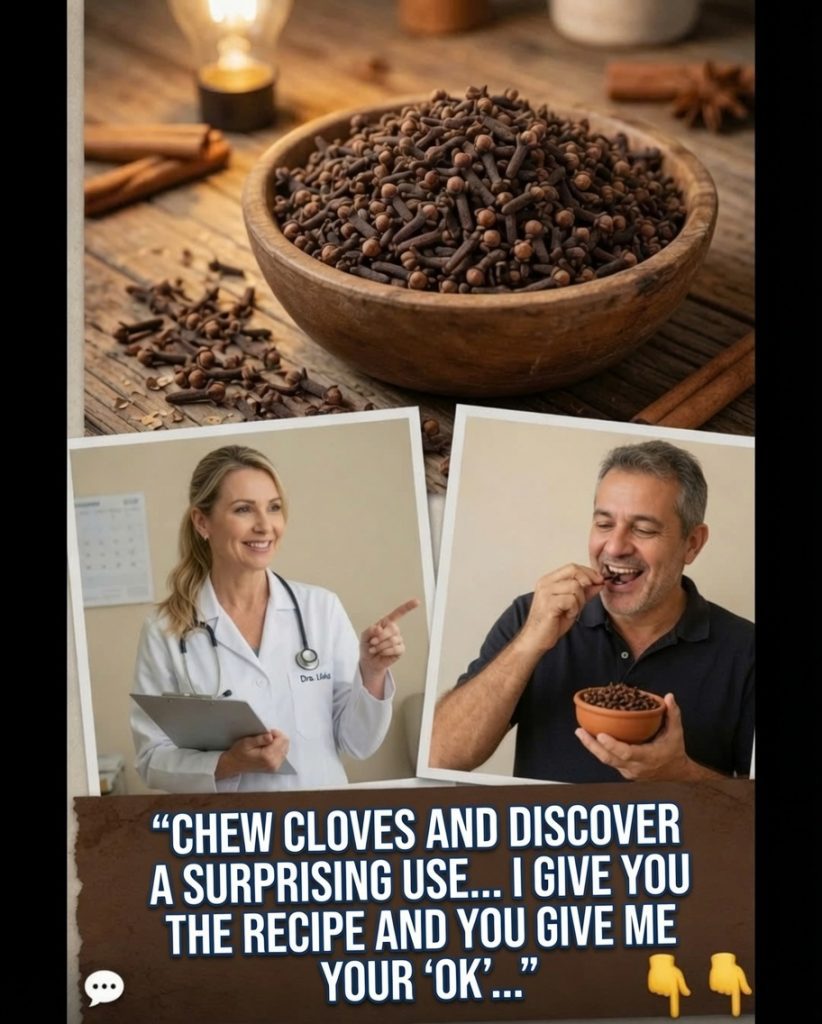
Chewing Cloves Daily: A Traditional Habit with Modern Interest
Cloves are one of the world’s most aromatic spices, valued for centuries in both cooking and traditional herbal practices. Their warm, slightly sweet flavor and distinctive fragrance make them a common ingredient in teas, desserts, savory dishes, and homemade wellness recipes.
In recent years, many people have become interested in chewing whole cloves as part of their daily routine. While cloves contain beneficial plant compounds, it is important to separate traditional uses from scientifically established health claims.
Here’s what current research suggests about cloves, their nutritional properties, and how to enjoy them safely.
What Makes Cloves Special?
Cloves are the dried flower buds of the clove tree (Syzygium aromaticum).
They naturally contain:
- Eugenol
- Polyphenols
- Flavonoids
- Manganese
- Dietary fiber
- Natural antioxidants
Among these compounds, eugenol is the best known and has been widely studied for its antioxidant and aromatic properties.
Potential Benefits of Chewing Cloves
Although cloves contain beneficial compounds, most research focuses on clove extracts or laboratory studies. More human research is needed to confirm many proposed health effects.
1. Provides Natural Antioxidants
Cloves are one of the richest natural sources of antioxidant compounds.
Antioxidants help protect cells from oxidative stress and support overall wellness as part of a balanced diet.
2. Freshens Breath
Chewing cloves temporarily releases their aromatic essential oils, leaving the mouth feeling fresher.
For this reason, cloves have traditionally been used as a natural breath freshener.
3. Supports Oral Hygiene
Laboratory research has explored the antimicrobial activity of compounds found in cloves.
However, chewing cloves should never replace brushing, flossing, or regular dental care.
4. Supports Digestive Comfort
Many traditional cultures have used cloves after meals.
Some people enjoy chewing one or two cloves because they appreciate the warm flavor and digestive comfort they provide.
5. Adds Beneficial Plant Compounds to the Diet
Although only small amounts are typically consumed, cloves contribute naturally occurring phytochemicals that complement a plant-rich diet.
Other Traditional Uses
Cloves have long been included in herbal traditions related to:
- Digestive wellness
- Oral care
- Seasonal comfort
- Culinary flavoring
- Aromatic teas
Many of these traditional uses continue today, although scientific evidence varies depending on the specific claim.
Ways to Enjoy Cloves
1. Chew Whole Cloves
Some people chew one or two whole cloves after meals or occasionally in the morning.
Because cloves have an intense flavor, small amounts are usually sufficient.
2. Clove Tea
Ingredients
- 2 to 3 whole cloves
- 1 cup water
Instructions
- Bring the water to a boil.
- Add the cloves.
- Simmer for about 5 minutes.
- Remove from the heat and let steep.
- Strain before drinking.
This warm herbal tea is especially popular during cooler months.
3. Cloves with Honey
Crushed cloves can be mixed with a small amount of honey for a flavorful homemade preparation.
Honey should always be consumed in moderation and should never be given to children under one year of age.
How Much Is Appropriate?
Moderation is important.
Most culinary uses involve only small amounts of cloves.
Large quantities or concentrated clove products are not recommended unless advised by a healthcare professional.
Important Safety Information
Although cloves are generally safe when used as a spice in food, excessive consumption may not be appropriate.
Consult a healthcare professional before regularly consuming cloves if you:
- Take blood-thinning medication
- Have liver disease
- Are pregnant or breastfeeding
- Have bleeding disorders
- Take medications for diabetes
Clove essential oil should never be consumed unless specifically directed by a qualified healthcare professional, as it can be toxic in concentrated amounts.
Healthy Habits That Matter More
No single spice can replace healthy lifestyle habits.
Support your long-term wellness by:
- Eating a variety of fruits and vegetables
- Choosing whole grains
- Staying physically active
- Drinking enough water
- Sleeping seven to nine hours each night
- Managing stress
- Scheduling regular medical and dental checkups
These habits have much stronger scientific support than relying on any individual food.
Frequently Asked Questions
Can chewing cloves cure disease?
No. Cloves are a flavorful spice and should not be considered a treatment or cure for any medical condition.
Can cloves relieve tooth discomfort?
Clove oil has historically been used in dentistry because of eugenol. However, persistent tooth pain should always be evaluated by a dentist rather than treated with home remedies alone.
Is it safe to chew cloves every day?
Small culinary amounts are generally considered appropriate for most healthy adults. If you have medical conditions or take prescription medications, seek personalized advice from your healthcare provider.
Do cloves improve blood sugar?
Some early research has explored compounds found in cloves, but there is not enough evidence to recommend chewing cloves as a strategy for managing blood sugar.
Can cloves help with weight loss?
No spice alone causes weight loss. Healthy body weight depends on balanced nutrition, physical activity, sleep, and long-term healthy habits.
Final Thoughts
Chewing cloves is a traditional practice that continues to interest many people because of the spice’s rich aroma and naturally occurring antioxidant compounds. While cloves can be a flavorful addition to a healthy diet and may provide certain wellness benefits, they are not a substitute for medical treatment or a quick solution for chronic health conditions.
Enjoy cloves in moderation, whether chewed whole, brewed as tea, or used in cooking, and remember that lasting health comes from consistent healthy habits rather than any single ingredient.
Medical Disclaimer: This article is intended for educational purposes only and does not provide medical advice, diagnosis, or treatment. It is not intended to diagnose, treat, cure, or prevent any disease. Always consult a qualified healthcare professional before regularly using herbal products or spices for health purposes, especially if you have a medical condition or take prescription medications.