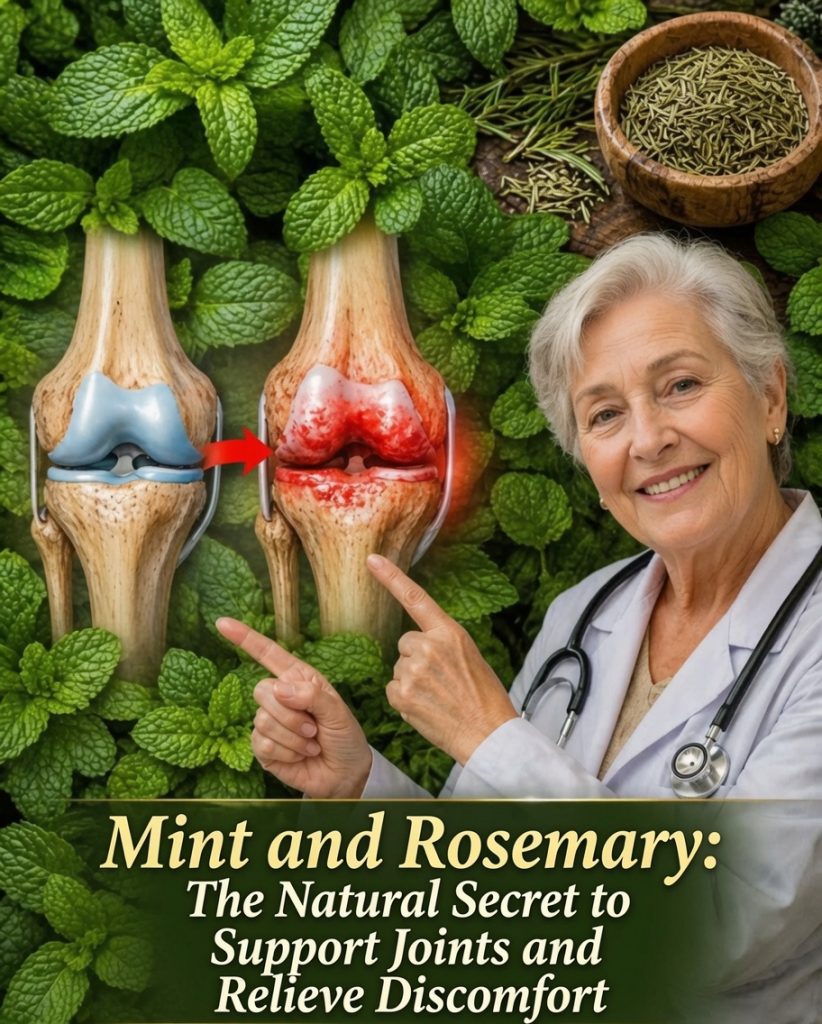
Joint stiffness and occasional muscle discomfort become more common as we age or after years of physical activity. While no herb can rebuild cartilage or cure arthritis, many people turn to traditional plants to complement a healthy lifestyle and support everyday comfort.
Among the best-known herbs are mint (Mentha spicata or Mentha × piperita) and rosemary (Salvia rosmarinus, formerly Rosmarinus officinalis). Both have been valued for centuries in traditional herbal practices and are rich in naturally occurring compounds that have been studied for their antioxidant and anti-inflammatory properties.
In this guide, you’ll discover what makes these herbs unique, how they may support joint and muscle wellness, and how to prepare a simple herbal infusion at home.
Why Joint Health Matters
Healthy joints allow us to move comfortably through daily life—from climbing stairs and gardening to walking with family or exercising.
Over time, factors such as aging, repetitive movement, excess body weight, previous injuries, and inactivity can contribute to stiffness and occasional discomfort.
Although herbs cannot replace medical treatment for joint diseases, they may provide supportive benefits as part of a balanced lifestyle.
Mint: A Refreshing Herb with Traditional Wellness Benefits
Mint is widely appreciated for its cooling aroma and refreshing taste, but it also contains several naturally occurring plant compounds.
These include:
- Menthol (especially in peppermint)
- Rosmarinic acid
- Flavonoids
- Polyphenols
Together, these compounds contribute to mint’s long history of traditional use.
Potential Benefits of Mint
Supports Muscle Relaxation
Mint is commonly used to promote a soothing, cooling sensation that may help ease occasional muscle tension.
Provides Antioxidants
Its natural antioxidants help protect cells from oxidative stress caused by free radicals.
Supports Digestive Comfort
Mint tea has traditionally been enjoyed after meals to promote comfortable digestion and reduce occasional bloating.
Encourages Relaxation
The fresh aroma of mint may help create a calming atmosphere and promote relaxation after a busy day.
Rosemary: A Traditional Herb for Everyday Wellness
Rosemary has been used throughout Mediterranean cultures for both cooking and herbal preparations.
It contains several naturally occurring compounds, including:
- Rosmarinic acid
- Carnosic acid
- Camphor
- Cineole
- Flavonoids
These compounds have attracted scientific interest because of their antioxidant activity.
Potential Benefits of Rosemary
Supports Healthy Circulation
Rosemary has traditionally been used in massage oils and herbal preparations to promote healthy circulation.
Helps Ease Occasional Muscle Discomfort
Topical rosemary preparations are commonly used to help soothe tired muscles after physical activity.
Rich in Antioxidants
Rosemary contributes plant compounds that help defend cells from oxidative stress.
Supports Mental Focus
The aroma of rosemary has long been associated with alertness and concentration.
Why These Herbs Work Well Together
Mint and rosemary complement each other in several ways.
Mint provides:
- Cooling freshness
- Digestive support
- Relaxation
Rosemary contributes:
- Warming herbal notes
- Traditional muscle support
- Antioxidant compounds
Together they create a flavorful herbal infusion that many people enjoy as part of a daily wellness routine.
Homemade Mint and Rosemary Herbal Tea
Ingredients
- 1 cup fresh mint leaves
- 1 small sprig of fresh rosemary
- 2 cups hot water
- 1 teaspoon honey (optional)
- Fresh lemon (optional)
Directions
- Bring the water to a gentle boil.
- Remove from heat.
- Add the mint and rosemary.
- Cover and steep for 8–10 minutes.
- Strain.
- Add honey or lemon if desired.
- Serve warm.
How to Enjoy It
Many people enjoy:
- One cup in the morning
- Another cup in the evening
The tea may also be enjoyed after meals as part of a relaxing daily routine.
Other Ways to Use Mint and Rosemary
Aromatic Steam
Place fresh herbs in hot water and inhale the steam from a safe distance to enjoy their refreshing aroma.
Herbal Bath
Add a strong infusion of mint and rosemary to warm bathwater for a relaxing soak after an active day.
Massage Oil
Fresh rosemary can be infused into a carrier oil, such as olive oil, for external massage. Always perform a patch test before applying herbal oils to the skin.
Cooking
Both herbs add fresh flavor to:
- Roasted vegetables
- Chicken
- Fish
- Soups
- Salads
- Herbal sauces
Healthy Habits That Support Joint Wellness
Herbal teas work best when combined with healthy lifestyle choices.
Consider these habits:
- Stay physically active with low-impact exercise.
- Maintain a healthy body weight.
- Eat plenty of fruits and vegetables.
- Include foods rich in omega-3 fatty acids.
- Get enough vitamin D and calcium.
- Stay hydrated.
- Sleep 7–9 hours each night.
These everyday practices contribute to healthy joints and overall mobility.
Frequently Asked Questions
Can mint and rosemary rebuild cartilage?
There is currently no reliable scientific evidence showing that mint or rosemary can regenerate damaged cartilage.
However, they may support overall wellness and help with occasional muscle or joint discomfort as part of a healthy lifestyle.
Can I drink the tea every day?
For most healthy adults, moderate consumption is generally considered safe. If you have medical conditions or take medications, consult your healthcare provider.
Can I use the herbs topically?
Yes. Rosemary-infused oils are commonly used for massage, while cooled herbal infusions may be used as warm compresses. Avoid applying herbs to broken or irritated skin.
Safety Considerations
Although these herbs are commonly consumed, they are not suitable for everyone.
Speak with a healthcare professional before regular use if you:
- Are pregnant or breastfeeding
- Have epilepsy
- Have uncontrolled high blood pressure
- Take blood-thinning medications
- Are allergic to herbs in the mint family
Essential oils should never be swallowed unless specifically directed by a qualified healthcare professional.
Final Thoughts
Mint and rosemary have earned their place in traditional herbal wellness through generations of everyday use. While they cannot replace medical treatment or repair damaged joints, they can be enjoyable additions to a healthy routine focused on movement, balanced nutrition, and self-care.
Whether brewed into a fragrant tea, infused into massage oil, or added to your favorite meals, these aromatic herbs offer a simple way to support overall well-being and enjoy the natural flavors that have been appreciated for centuries.