Understanding Hearing Loss: Causes, Symptoms, and How to Protect Your Hearing
Hearing connects us to conversations, music, nature, and the people we care about. Yet hearing loss often develops so gradually that many people don’t notice the changes until communication becomes difficult.
If you’ve found yourself turning up the television volume, asking others to repeat themselves, or struggling to follow conversations in busy environments, it may be time to pay closer attention to your hearing health.
This guide explains the most common causes of hearing loss, early warning signs, practical prevention strategies, and when professional evaluation is recommended.
What Is Hearing Loss?
Hearing loss occurs when the ability to detect sounds becomes partially or completely reduced. It may affect one ear or both and can range from mild to profound.
The condition can develop gradually over many years or appear suddenly, depending on the underlying cause.
Healthcare professionals generally classify hearing loss into three main categories:
Conductive Hearing Loss
This type involves problems in the outer or middle ear that prevent sound from reaching the inner ear efficiently.
Common causes include:
- Earwax blockage
- Middle ear infections
- Fluid buildup
- Damage to the eardrum
- Abnormalities of the tiny middle-ear bones
Many cases are treatable.
Sensorineural Hearing Loss
This is the most common form of permanent hearing loss.
It results from damage to the delicate hair cells of the inner ear or the auditory nerve.
Possible causes include:
- Aging
- Long-term exposure to loud noise
- Certain medications
- Genetic factors
- Some illnesses
Although the damage usually cannot be reversed, treatments such as hearing aids or cochlear implants may significantly improve communication.
Mixed Hearing Loss
Mixed hearing loss combines both conductive and sensorineural components.
Treatment depends on identifying and managing each contributing factor.
Common Causes of Hearing Loss
1. Long-Term Exposure to Loud Noise
Repeated exposure to loud sounds is one of the leading preventable causes of hearing loss.
Common sources include:
- Loud music through headphones
- Concerts
- Power tools
- Industrial workplaces
- Firearms
- Heavy machinery
Noise can permanently damage the sensitive hair cells inside the inner ear.
2. Age-Related Hearing Loss
Also called presbycusis, age-related hearing loss becomes increasingly common after age 60.
It often affects the ability to hear higher-pitched sounds and understand speech in noisy environments.
This process usually develops slowly over time.
3. Ear Infections
Frequent or untreated ear infections may temporarily or permanently affect hearing, particularly when fluid accumulates behind the eardrum.
Prompt treatment helps reduce the risk of complications.
4. Genetics
Some forms of hearing loss run in families.
Inherited conditions may affect hearing from birth or increase the likelihood of hearing changes later in life.
5. Certain Medications
Some medications can affect hearing or balance.
Examples include certain:
- Antibiotics
- Chemotherapy drugs
- Loop diuretics
- High-dose aspirin
- Other medications known to have ototoxic effects
Never stop prescribed medication without consulting your healthcare provider.
Early Warning Signs You Shouldn’t Ignore
Hearing changes often begin subtly.
Watch for symptoms such as:
- Frequently asking others to repeat themselves
- Difficulty understanding conversations
- Needing higher television or radio volume
- Trouble hearing in restaurants or crowded places
- Ringing in the ears (tinnitus)
- Feeling that people are mumbling
- Missing phone calls or doorbells
Recognizing these signs early allows for faster evaluation and treatment.
Practical Ways to Protect Your Hearing
Keep the Volume at Safe Levels
When using headphones, many hearing specialists recommend following the 60/60 rule:
- Keep the volume below approximately 60%.
- Listen for no longer than 60 minutes at a time before taking a break.
Wear Hearing Protection
If you work in noisy environments or attend concerts regularly, use:
- Foam earplugs
- Custom ear protection
- Noise-reducing earmuffs
Even occasional protection can help reduce cumulative noise exposure.
Avoid Putting Objects in Your Ears
Cotton swabs, hairpins, and other objects can push wax deeper into the ear canal or damage the eardrum.
The ear is generally self-cleaning.
If earwax becomes excessive, seek professional removal rather than attempting to remove it yourself.
Eat a Nutrient-Rich Diet
While no food can prevent hearing loss, an overall healthy diet supports circulation and nerve health.
Include foods rich in:
- Leafy green vegetables
- Fruits
- Whole grains
- Omega-3 fatty acids
- Nuts and seeds
- Vitamin B-rich foods
- Magnesium-containing foods
These nutrients contribute to overall wellness, including healthy blood vessels and nerves.
Schedule Routine Hearing Evaluations
Adults over age 50—or anyone regularly exposed to loud noise—may benefit from periodic hearing screenings.
Early detection often leads to better long-term outcomes.
Are Natural Remedies Effective?
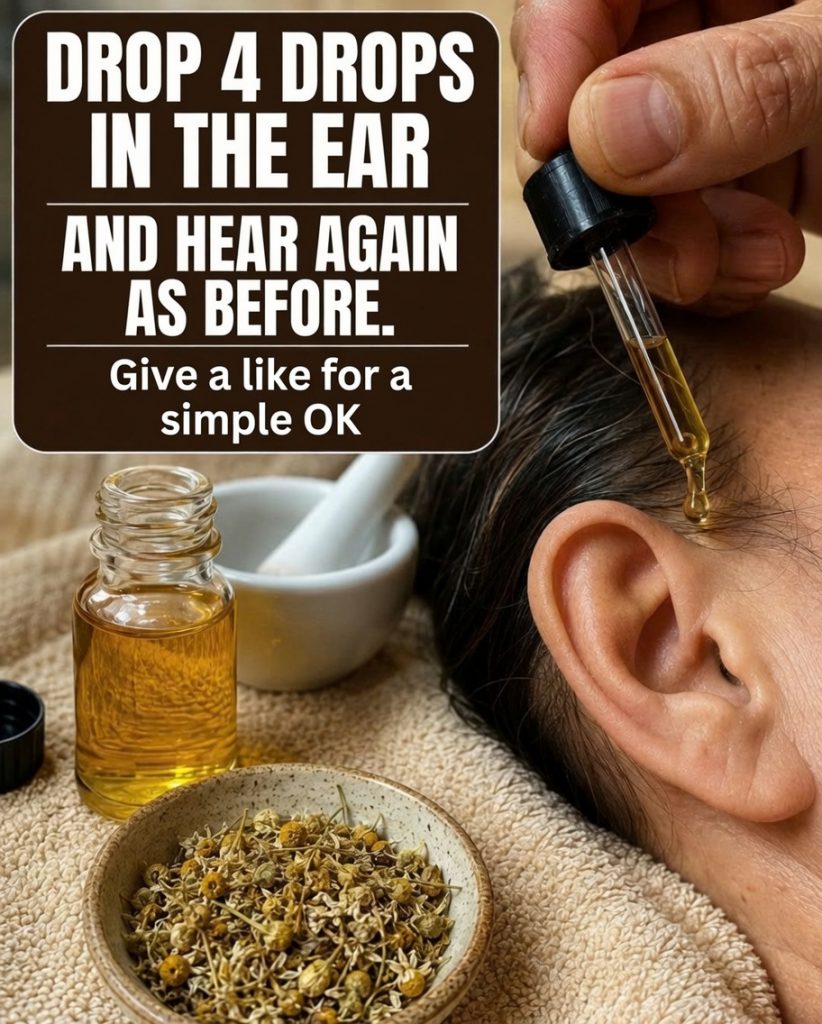
Many home remedies circulate online, including herbal oils, garlic drops, and essential oils.
However, there is limited scientific evidence supporting many of these approaches, and placing liquids or homemade preparations directly into the ear may cause irritation or worsen certain conditions.
If you have ear pain, hearing changes, or drainage from the ear, consult a healthcare professional rather than attempting self-treatment.
When Should You See a Doctor?
Seek medical attention promptly if you experience:
- Sudden hearing loss
- Severe ear pain
- Ear drainage or bleeding
- Persistent ringing in the ears
- Dizziness accompanied by hearing loss
- Hearing difficulties that interfere with daily life
Sudden hearing loss is considered a medical emergency and should be evaluated as quickly as possible.
Healthy Habits That Support Hearing Wellness
Protecting your hearing involves more than avoiding loud sounds.
Consider these daily habits:
- Stay physically active.
- Manage blood pressure and blood sugar.
- Avoid smoking.
- Limit prolonged exposure to excessive noise.
- Treat ear infections promptly.
- Wear protective equipment when needed.
- Get regular medical checkups.
These steps contribute to overall health and may also help support long-term hearing function.
Frequently Asked Questions
Can hearing loss be reversed?
It depends on the cause. Some forms of conductive hearing loss are treatable, while most sensorineural hearing loss is permanent but can often be managed effectively.
Is ringing in the ears always a sign of hearing loss?
Not always. Tinnitus has many possible causes, but persistent ringing should be evaluated by a healthcare professional.
How often should adults have their hearing checked?
Adults over age 50 or individuals exposed to loud noise may benefit from regular hearing evaluations as recommended by their healthcare provider.
Can headphones damage hearing?
Yes. Listening at high volumes for prolonged periods can gradually damage the sensitive structures of the inner ear.
What is the best way to protect hearing?
Limit exposure to loud sounds, wear hearing protection when appropriate, maintain a healthy lifestyle, and seek early evaluation if hearing changes occur.
Final Thoughts
Hearing loss is a common condition, but early recognition and preventive care can make a significant difference. By protecting your ears from excessive noise, maintaining overall health, and seeking professional evaluation when symptoms appear, you can support better hearing throughout life.
If you’ve noticed changes in your hearing—even subtle ones—don’t ignore them. Early assessment offers the best opportunity to identify the cause and explore appropriate treatment options that can improve communication and quality of life.
Medical Disclaimer
This article is intended for educational and informational purposes only and should not be considered medical advice. It is not intended to diagnose, treat, cure, or prevent any disease. If you experience sudden hearing loss, severe ear pain, persistent tinnitus, dizziness, or any significant changes in hearing, seek prompt evaluation from a qualified healthcare professional. Early diagnosis and appropriate treatment are essential for protecting long-term hearing health.