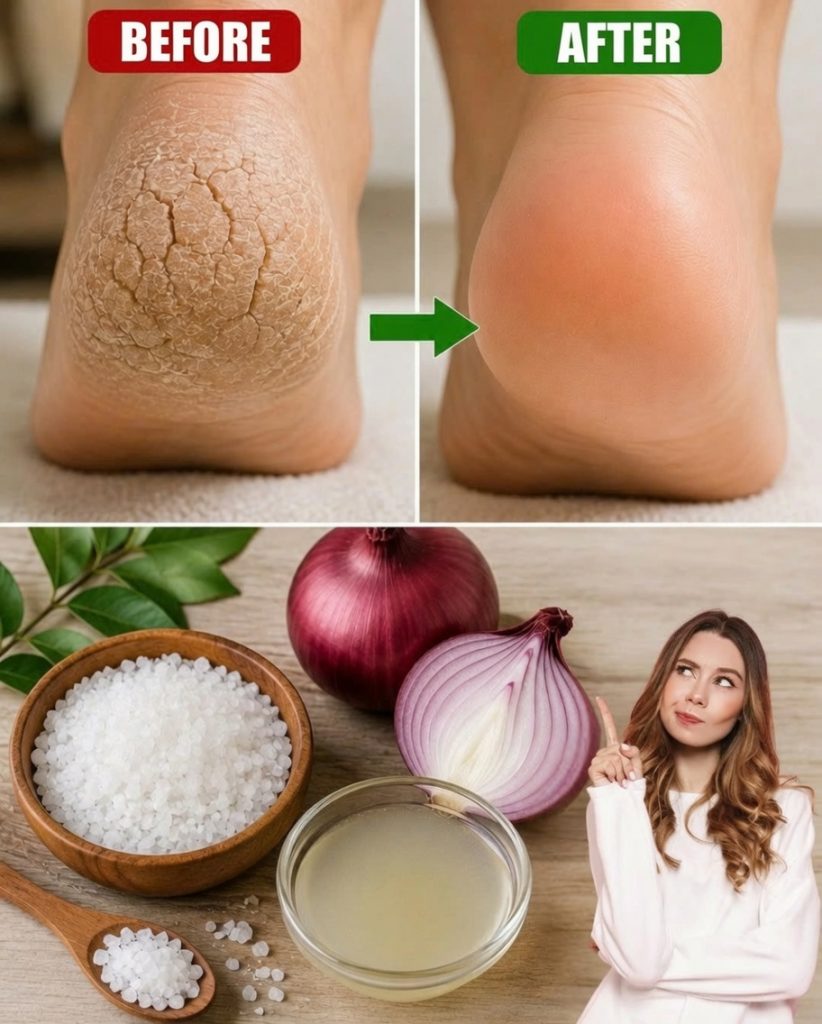
Dry, Cracked Heels? Try These 5 Simple Home Remedies for Softer, Healthier Feet
Dry, rough heels are a common problem that affects people of all ages. Besides being a cosmetic concern, severely cracked heels can become uncomfortable, especially when standing or walking for long periods.
Fortunately, you don’t always need expensive foot care products. With a few simple ingredients found in many kitchens, you can help moisturize rough skin, gently remove dead skin cells, and support healthier-looking feet.
Consistency is the key. Regular care often produces better results than occasional treatments.
Why Do Heels Become Dry and Cracked?
The skin on your heels naturally experiences more pressure than most other parts of your body. Combined with environmental factors, it can easily become dry and thickened.
Common causes include:
- Dry skin
- Standing for long periods
- Walking barefoot frequently
- Wearing open-back shoes
- Hot showers or baths
- Aging
- Cold or dry weather
- Lack of daily moisturizing
In some cases, cracked heels may also be associated with medical conditions such as diabetes, eczema, psoriasis, or thyroid disorders. Persistent or deep cracks should be evaluated by a healthcare professional.
1. Onion and Sea Salt Foot Scrub
Onions contain natural plant compounds, while sea salt works as a gentle physical exfoliant to help remove dead skin cells.
Ingredients
- ½ red onion
- 2 tablespoons sea salt
- 1 teaspoon coconut oil or olive oil
How to Use
- Blend or mash the onion into a paste.
- Mix in the sea salt and oil.
- Massage onto clean heels using gentle circular motions for about 5 minutes.
- Leave on for an additional 10 minutes if desired.
- Rinse thoroughly with warm water and pat dry.
Use: 2–3 times per week.
2. Coconut Oil and Brown Sugar Scrub
Coconut oil helps lock in moisture, while brown sugar gently exfoliates rough skin.
Ingredients
- 2 tablespoons brown sugar
- 1 tablespoon virgin coconut oil
Instructions
Mix the ingredients into a paste and gently massage your heels for 3–5 minutes.
Rinse with warm water, then immediately apply a rich moisturizer.
Benefits
- Softer-feeling skin
- Gentle exfoliation
- Improved hydration
3. Banana and Honey Moisturizing Mask
Bananas naturally contain vitamins and moisture, while honey acts as a natural humectant, helping attract and retain moisture in the skin.
Ingredients
- 1 ripe banana
- 1 tablespoon honey
Directions
- Mash the banana until smooth.
- Mix with honey.
- Apply generously to your heels.
- Cover with cotton socks or wrap loosely.
- Leave on for about 20 minutes.
- Rinse with lukewarm water.
Use: Two or three times weekly.
4. Warm Foot Soak with Sea Salt and Baking Soda
A warm foot soak helps soften hardened skin before exfoliation.
You’ll Need
- Warm water
- 3 tablespoons sea salt
- 1 tablespoon baking soda
Instructions
- Fill a basin with comfortably warm water.
- Add the salt and baking soda.
- Soak your feet for 15–20 minutes.
- Gently exfoliate with a pumice stone if needed.
- Dry thoroughly.
- Apply a thick foot cream or moisturizer.
This treatment works especially well before bedtime.
5. Aloe Vera Gel for Deep Hydration
Aloe vera is widely used to soothe dry skin and support the skin’s natural moisture barrier.
Ingredients
- 2 tablespoons fresh aloe vera gel
Optional:
- A few drops of vitamin E oil
How to Use
Apply a generous layer of aloe vera gel to clean heels.
Leave it on for 20–30 minutes or wear cotton socks overnight for deeper hydration.
Rinse if desired.
Use: Three times per week or as needed.
Important: Avoid applying lemon juice to cracked or broken skin. Although lemon is a common home remedy, its acidity may cause irritation, especially if your heels have open fissures.
Daily Habits That Help Prevent Cracked Heels
Healthy feet require regular care.
Simple habits include:
- Moisturize your feet every evening.
- Wear breathable cotton socks.
- Choose supportive shoes that reduce friction.
- Avoid very hot showers.
- Drink enough water throughout the day.
- Exfoliate gently once or twice each week.
- Don’t walk barefoot on rough surfaces for extended periods.
When Should You See a Doctor?
Home remedies work well for mild dryness, but medical attention is recommended if you notice:
- Deep or bleeding cracks
- Severe pain
- Swelling or redness
- Signs of infection
- Cracks that don’t improve after several weeks
- Diabetes or poor circulation with foot wounds
Early treatment can help prevent complications.
Frequently Asked Questions
How long does it take to improve cracked heels?
Many people notice softer skin within one week of consistent moisturizing and exfoliation. Deeper cracks may take several weeks to improve.
Is coconut oil enough by itself?
For mild dryness, coconut oil alone may provide excellent hydration. More severe cracking usually benefits from combining moisturizing with gentle exfoliation.
Can I use these remedies every day?
Moisturizing treatments can usually be used daily. Exfoliating scrubs are generally best limited to two or three times per week.
What’s the best moisturizer for cracked heels?
Products containing urea, glycerin, ceramides, petrolatum, or shea butter often provide excellent hydration for very dry feet.
Final Thoughts
Healthy, comfortable feet don’t require complicated routines. Regular moisturizing, gentle exfoliation, and a few simple home remedies can help improve the appearance and feel of dry, rough heels over time.
Natural ingredients such as coconut oil, aloe vera, honey, banana, and sea salt may complement a consistent foot care routine, but they work best when combined with good daily habits and proper footwear.
If your cracked heels are severe, painful, or accompanied by signs of infection, seek medical advice rather than relying solely on home treatments.
Medical Disclaimer
This article is intended for informational and educational purposes only and should not be considered medical advice. Home remedies may help improve mild dry skin, but they are not intended to diagnose, treat, cure, or prevent any medical condition. Consult a qualified healthcare professional if you have diabetes, poor circulation, persistent foot pain, deep cracks, or signs of infection. Individual results may vary.