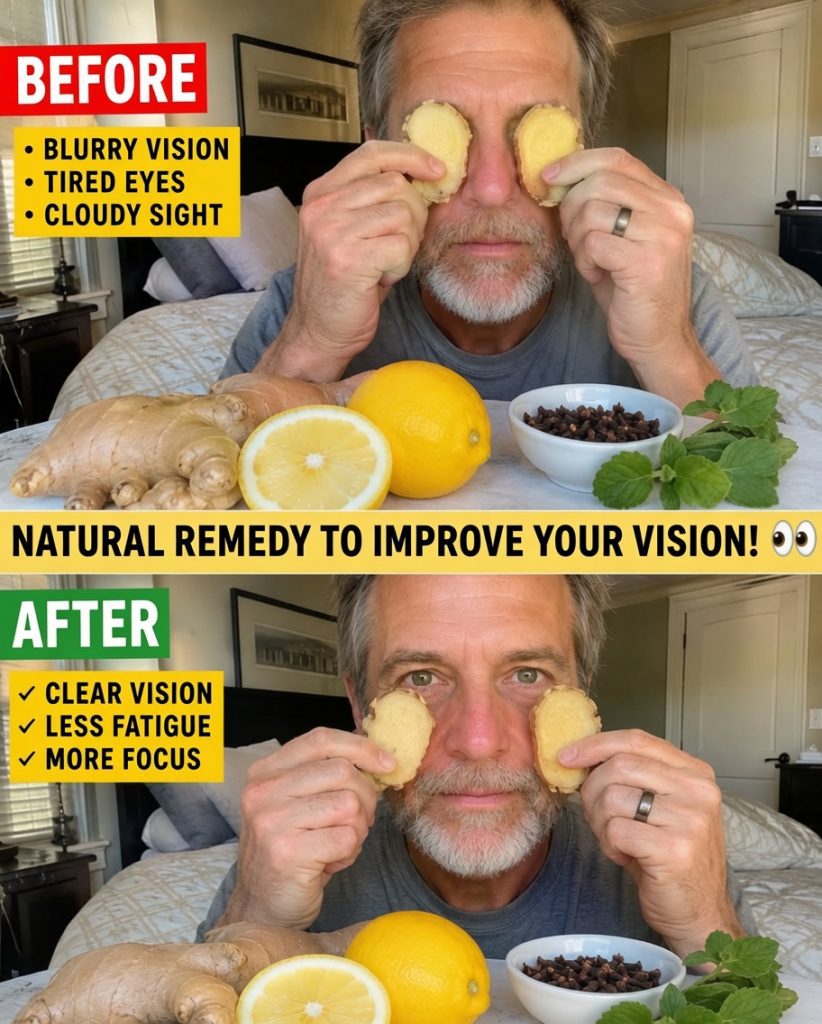
Tired Eyes After Screen Time? What Ginger, Lemon, and Clove Can—and Can’t—Do for Eye Comfort
Do your eyes feel tired, dry, or heavy after hours in front of a computer or smartphone? You’re not alone. Digital eye strain has become one of the most common complaints among adults, especially as work, entertainment, and communication increasingly revolve around screens.
Social media often promotes homemade remedies made with ingredients like ginger, lemon, and cloves, claiming they can restore vision or eliminate eye fatigue. While these ingredients contain beneficial plant compounds, it’s important to separate traditional wellness practices from evidence-based eye care.
In this article, you’ll learn what causes tired eyes, how these natural ingredients may support overall wellness, and the safest ways to care for your vision.
Why Do Your Eyes Feel Tired?
Eye fatigue, also known as digital eye strain, develops when your eyes work continuously without adequate breaks.
Common causes include:
- Extended screen use
- Reduced blinking
- Dry indoor air
- Poor lighting
- Incorrect screen distance
- Uncorrected vision problems
- Lack of sleep
Symptoms may include:
- Dry eyes
- Blurred vision
- Burning or stinging
- Headaches
- Difficulty focusing
- A feeling of heaviness around the eyes
Fortunately, many of these symptoms improve with simple lifestyle changes.
Can Ginger, Lemon, and Clove Improve Eye Health?
These three ingredients are rich in nutrients and natural plant compounds that support general health.
However, they should never be placed directly into or around the eyes, and there is no scientific evidence that they improve vision or treat eye diseases when applied topically.
Instead, they can be enjoyed safely as part of a balanced diet or herbal beverage.
Ginger: A Root Rich in Natural Compounds
Fresh ginger contains bioactive compounds called gingerols and shogaols.
Research suggests ginger provides:
- Antioxidant activity
- Support for normal inflammatory responses
- Digestive support
- General wellness benefits
Including ginger in your meals may contribute to a healthy dietary pattern.
Lemon: A Natural Source of Vitamin C
Lemons are rich in:
- Vitamin C
- Flavonoids
- Potassium
- Natural citrus oils
Vitamin C contributes to normal collagen production, which supports healthy connective tissues, including those found throughout the body.
Cloves: A Traditional Culinary Spice
Cloves contain naturally occurring compounds such as eugenol, along with antioxidants that have been studied for their biological activity.
As a culinary spice, cloves add flavor and beneficial plant compounds to a balanced diet.
Potential Wellness Benefits of These Ingredients
Although they do not treat eye conditions, these ingredients may support overall health in several ways.
1. Provide Antioxidants
Antioxidants help protect cells from oxidative stress.
A diet rich in colorful fruits, vegetables, herbs, and spices supports overall wellness.
2. Support Healthy Nutrition
Adding herbs and spices to meals increases dietary variety without excess sodium or sugar.
3. Encourage Hydration
Warm herbal drinks prepared with ginger and lemon may encourage adequate daily fluid intake.
Proper hydration supports tear production and overall health.
4. Promote Relaxation
Preparing a warm herbal tea can become part of a calming evening routine that helps reduce stress after long workdays.
5. Complement a Healthy Lifestyle
Healthy eyes benefit from overall healthy habits, including nutritious eating patterns.
The Best Ways to Relieve Eye Fatigue
Instead of relying on unproven home remedies, eye care professionals recommend evidence-based strategies.
Follow the 20-20-20 Rule
Every 20 minutes:
- Look at something about 20 feet (6 meters) away
- For at least 20 seconds
This simple habit helps reduce eye strain during screen use.
Blink More Often
People naturally blink less while looking at screens.
Making a conscious effort to blink helps spread tears evenly across the eye surface.
Adjust Your Screen
For greater comfort:
- Keep the screen about an arm’s length away.
- Position it slightly below eye level.
- Reduce glare whenever possible.
Use Artificial Tears If Needed
Lubricating eye drops recommended by an eye care professional may help relieve dry eye symptoms.
Get Enough Sleep
Most adults benefit from seven to nine hours of sleep each night.
Rest allows your eyes to recover after prolonged visual work.
Eat Nutrient-Rich Foods
A balanced diet supports long-term eye health.
Choose foods rich in:
- Leafy green vegetables
- Carrots
- Sweet potatoes
- Citrus fruits
- Berries
- Fish rich in omega-3 fatty acids
- Eggs
- Nuts
These foods provide nutrients important for healthy vision.
A Comforting Ginger and Lemon Tea
If you enjoy herbal beverages, this simple recipe can be a relaxing addition to your routine.
Ingredients
- 1-inch piece of fresh ginger
- Juice of half a lemon
- 2 cups hot water
Optional:
- A teaspoon of honey
- Fresh mint leaves
Instructions
- Simmer the ginger in hot water for about 10 minutes.
- Remove from heat.
- Stir in fresh lemon juice.
- Add honey if desired.
- Serve warm.
Remember: Enjoy the tea by drinking it—never apply it to your eyes.
Important Eye Safety Tips
Never place the following directly into your eyes:
- Lemon juice
- Ginger
- Clove oil
- Essential oils
- Homemade herbal extracts
- Undiluted plant juices
These substances may cause:
- Burning
- Irritation
- Allergic reactions
- Damage to the eye surface
If your eyes become painful or irritated, seek professional medical advice promptly.
When Should You See an Eye Doctor?
Schedule an eye examination if you experience:
- Persistent blurred vision
- Eye pain
- Light sensitivity
- Sudden vision changes
- Redness that does not improve
- Eye injury
- Frequent headaches related to vision
Early evaluation helps protect long-term eye health.
Frequently Asked Questions
Can ginger improve eyesight?
There is no scientific evidence that ginger improves vision. It is a nutritious food that can be part of a healthy diet.
Is lemon juice safe for the eyes?
No. Lemon juice should never be placed directly into the eyes because it can cause significant irritation.
Can cloves treat eye fatigue?
No. Cloves have culinary and nutritional value but are not a treatment for eye strain or eye disease.
What is the best remedy for digital eye strain?
The most effective strategies include taking regular screen breaks, blinking more often, adjusting screen settings, staying hydrated, getting enough sleep, and having regular eye examinations.
Final Thoughts
Ginger, lemon, and cloves are flavorful ingredients that contribute valuable nutrients and antioxidants to a healthy diet. While they support overall wellness, they should not be considered treatments for eye fatigue or vision problems, nor should they ever be applied directly to the eyes.
For lasting eye comfort, focus on evidence-based habits: limit prolonged screen time, practice the 20-20-20 rule, stay hydrated, eat a nutrient-rich diet, and schedule regular eye exams. Sometimes the most effective care comes from simple daily habits rather than viral internet remedies.
Disclaimer: This article is for educational purposes only and should not be considered medical advice. Natural foods and beverages are not intended to diagnose, treat, cure, or prevent eye disease. Always consult an optometrist, ophthalmologist, or other qualified healthcare professional if you experience persistent eye symptoms or changes in vision.