Natural Prostate Wellness: Amaranth Green Juice and Nettle Tea for Everyday Men’s Health
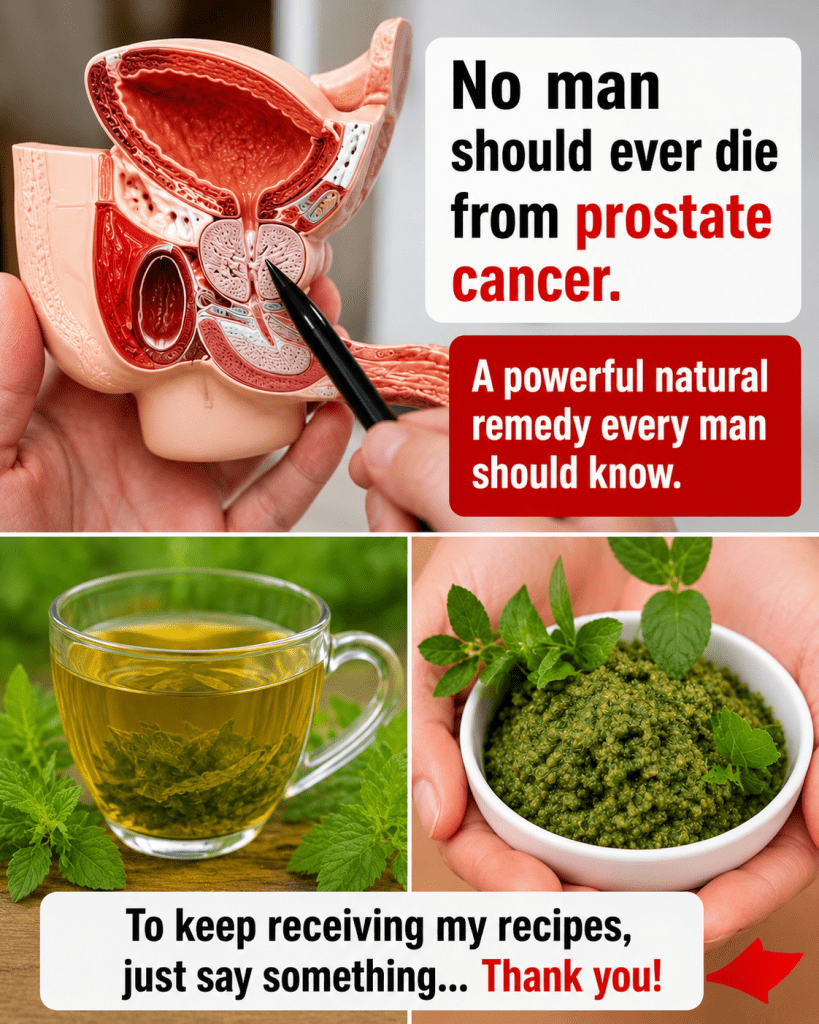
Prostate health rarely becomes a priority until urinary symptoms begin to interfere with daily life. Many men first notice subtle changes—waking up more often during the night, a weaker urine stream, difficulty emptying the bladder completely, or increased urgency. By the time these symptoms become bothersome, the underlying condition may already deserve medical attention.
The good news is that healthy habits adopted early can support overall urinary wellness and complement routine medical care.
Alongside regular checkups, a balanced diet rich in vegetables, whole grains, healthy fats, and plant-based foods may contribute to long-term prostate health. Traditional herbal practices have also highlighted plants such as amaranth leaves and stinging nettle for their nutritional value and historical use in men’s wellness.
In this guide, you’ll learn how to prepare two simple recipes:
- A refreshing amaranth green juice
- A traditional nettle herbal tea
You’ll also discover healthy lifestyle habits, important precautions, and what current evidence suggests about these ingredients.
Why Prostate Health Matters
The prostate naturally changes with age.
Beginning around age 40–50, many men experience gradual enlargement of the prostate, which may contribute to urinary symptoms.
Common symptoms that deserve medical evaluation include:
- Frequent nighttime urination
- Difficulty starting urination
- Weak or interrupted urine flow
- Feeling that the bladder doesn’t empty completely
- Burning during urination
- Pelvic discomfort
- Blood in the urine or semen (requires prompt medical attention)
Natural wellness practices should complement—not replace—professional evaluation.
Why Nutrition Matters
Although no food can prevent or cure prostate disease, a healthy eating pattern may help support overall urinary and metabolic health.
Many researchers recommend diets rich in:
- Vegetables
- Fruits
- Whole grains
- Healthy fats
- Plant antioxidants
These foods may help reduce oxidative stress and support healthy aging.
Why Amaranth Leaves?
Amaranth is valued in many traditional diets for its nutritional profile.
Its leaves naturally contain:
- Chlorophyll
- Magnesium
- Iron
- Potassium
- Vitamin C
- Plant antioxidants
Including leafy greens regularly helps increase overall nutrient intake.
Why Nettle?
Stinging nettle (Urtica dioica) has been used in traditional European herbal medicine for centuries.
Research continues to investigate its role in supporting urinary health, particularly among older men, although more high-quality human studies are needed.
Nettle leaves naturally contain:
- Polyphenols
- Flavonoids
- Minerals
- Plant compounds with antioxidant activity
Recipe 1: Amaranth Green Juice
This refreshing drink combines nutrient-rich greens with healthy ingredients that fit well into a balanced diet.
Ingredients
- 1 handful fresh amaranth leaves
- 1 cup cold water
- Juice of ½ lemon
- 1 tablespoon pumpkin seeds
- Small piece fresh ginger (optional)
Instructions
- Wash the amaranth thoroughly.
- Add all ingredients to a blender.
- Blend for 30–45 seconds.
- Drink immediately.
- Strain only if preferred.
Why These Ingredients?
Amaranth
Provides vitamins, minerals, and plant antioxidants.
Pumpkin Seeds
Pumpkin seeds are naturally rich in zinc and healthy fats. They have long been associated with men’s nutritional health.
Ginger
Adds flavor while contributing naturally occurring antioxidant compounds.
Lemon
Provides vitamin C and brightens the flavor.
Potential Benefits
When included as part of a healthy diet, this juice may help:
- Increase vegetable intake
- Support hydration
- Provide dietary antioxidants
- Increase fiber intake (when unstrained)
- Encourage healthy breakfast habits
- Add magnesium and potassium to the diet
- Support overall metabolic wellness
- Complement weight-management efforts
- Contribute to a balanced nutritional routine
- Make healthy eating more enjoyable
Recipe 2: Traditional Nettle Herbal Tea
Nettle tea is one of the most common traditional herbal beverages used to support general urinary wellness.
Ingredients
- 1 tablespoon dried nettle leaves
- 1 cup water
- ½ teaspoon turmeric
- Optional: 1 lightly crushed garlic clove
- Optional: squeeze of fresh lemon
Instructions
- Bring water to a boil.
- Remove from heat.
- Add nettle leaves.
- Add turmeric and garlic if using.
- Cover and steep for 8–10 minutes.
- Strain.
- Add lemon before serving.
Suggested Use
Many people enjoy:
- One cup daily
- After breakfast or lunch
- As part of a seasonal wellness routine
If using herbal teas regularly, discuss them with your healthcare provider, especially if you take prescription medications.
Traditional Uses of Nettle Tea
Historically, nettle tea has been used to:
- Support normal urinary function
- Encourage healthy hydration
- Complement balanced nutrition
- Provide plant antioxidants
- Promote general wellness
- Support healthy aging
- Increase fluid intake
- Fit into healthy lifestyle routines
- Add variety to herbal beverages
- Encourage mindful self-care habits
These traditional uses should not be interpreted as proven medical treatments.
Lifestyle Habits That Support Prostate Health
Healthy beverages work best when combined with healthy daily habits.
Consider:
- Eating more vegetables and fruits
- Choosing whole grains
- Limiting highly processed foods
- Maintaining a healthy body weight
- Walking or exercising most days
- Drinking adequate water
- Avoiding smoking
- Limiting excessive alcohol intake
- Reducing prolonged sitting
- Scheduling regular medical checkups
These lifestyle factors have stronger scientific support than any single food or herbal remedy.
Safety Considerations
Consult your healthcare provider before using nettle regularly if you:
- Take blood pressure medication
- Use diuretics
- Take blood thinners
- Have kidney disease
- Have liver disease
- Are scheduled for surgery
Seek immediate medical attention if you experience:
- Blood in the urine
- Fever with urinary symptoms
- Severe pelvic pain
- Inability to urinate
Frequently Asked Questions
Can these recipes prevent prostate disease?
No. They are nutritious beverages that may support overall wellness but cannot prevent or treat prostate conditions.
Is nettle proven to shrink the prostate?
Research is ongoing. While nettle has a long history of traditional use, it should not replace medical evaluation or prescribed treatment.
Can I drink these every day?
Healthy adults may enjoy these beverages in moderation, but anyone with chronic medical conditions or who takes prescription medications should consult a healthcare professional first.
Final Thoughts
Taking care of your prostate isn’t about finding a miracle drink—it’s about building healthy habits that support your body over time.
Nutrient-rich foods like leafy greens, seeds, fruits, and traditional herbal teas can become part of an overall healthy lifestyle that includes regular exercise, proper hydration, preventive medical care, and balanced nutrition.
Small daily choices often make the biggest difference over the years.
Medical Disclaimer: This article is for educational purposes only and does not provide medical advice. It is not intended to diagnose, treat, cure, or prevent any disease. Always consult a qualified healthcare professional before using herbal remedies or making significant dietary changes, especially if you have existing medical conditions or take prescription medications.