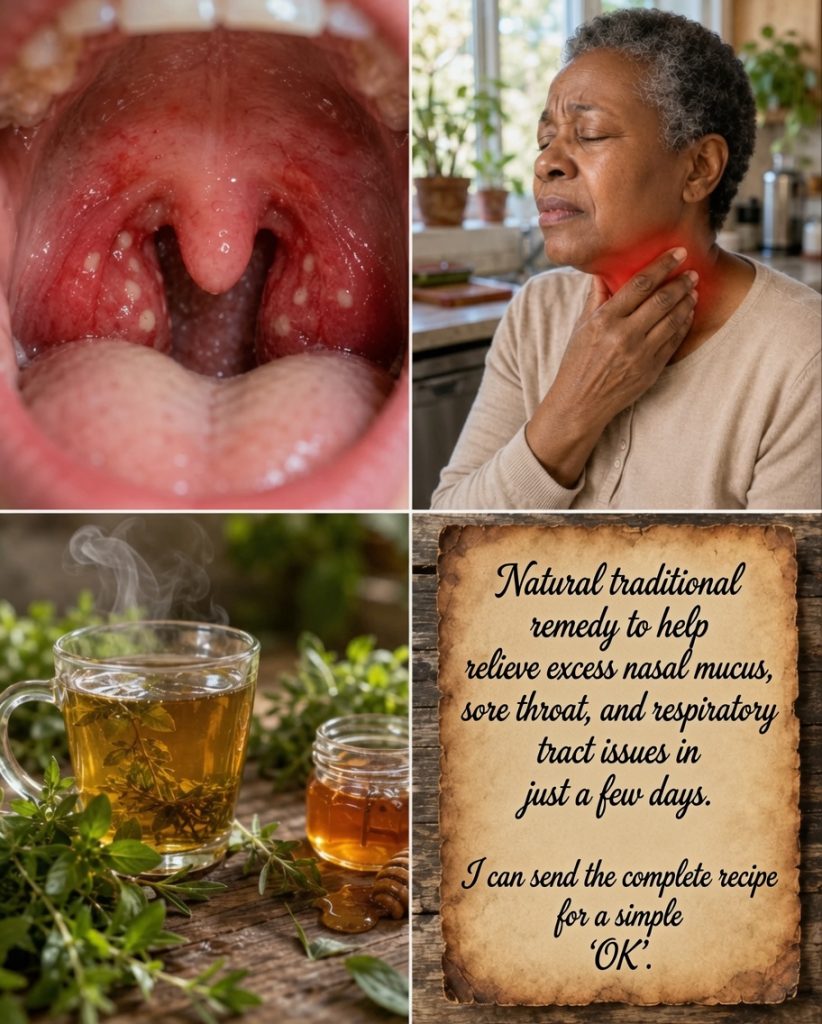
When you have a cold, seasonal allergies, or another upper respiratory illness, excess mucus can make breathing uncomfortable and contribute to coughing, throat irritation, and nasal congestion. While the body naturally produces mucus to protect the airways, temporary increases during illness can be frustrating.
Sage (Salvia officinalis) has been used for centuries in traditional herbal medicine to soothe the throat, support respiratory comfort, and promote overall wellness. Modern research has identified several antioxidant and aromatic compounds in sage, although it is not a treatment for respiratory infections or chronic lung diseases.
This guide explains the traditional uses of sage, what current research suggests, and how to prepare simple herbal remedies safely.
What Is Sage?
Sage is a fragrant Mediterranean herb widely used in both cooking and traditional herbal practices.
Its leaves contain naturally occurring compounds such as:
- Rosmarinic acid
- Flavonoids
- Essential oils
- Phenolic compounds
- Antioxidants
These compounds are being studied for their antioxidant and anti-inflammatory properties.
Can Sage Help with Respiratory Comfort?
Traditional herbal medicine has long used sage to help soothe the throat and support comfortable breathing.
Current evidence suggests sage may:
- Help soothe irritated throat tissues
- Provide antioxidant support
- Promote temporary oral comfort
- Offer a pleasant warming herbal drink during seasonal illnesses
However, there is no evidence that sage clears mucus from the lungs, treats bronchitis, cures sinus infections, or replaces medical treatment.
Homemade Sage Herbal Tea
This classic herbal infusion is one of the most common ways to enjoy sage.
Ingredients
- 1 tablespoon dried sage leaves
(or 2 tablespoons fresh sage leaves) - 1 cup (250 ml) hot water
- 1 teaspoon honey (optional)
- A few drops of fresh lemon juice (optional)
Directions
- Bring the water to a boil.
- Pour the hot water over the sage leaves.
- Cover and steep for about 10 minutes.
- Strain the tea.
- Add honey or lemon if desired.
- Enjoy while warm.
Warm herbal tea may feel soothing during periods of throat discomfort.
Traditional Sage Gargle
A cooled sage infusion has traditionally been used as a homemade gargle.
Directions
- Prepare a strong sage tea.
- Allow it to cool until comfortably warm.
- Gargle for 20–30 seconds.
- Spit it out.
- Repeat several times if desired.
Do not swallow homemade gargles.
Some people find warm gargling temporarily soothing for mild throat irritation.
Sage Steam Inhalation
Warm steam itself can help temporarily relieve feelings of nasal congestion.
Adding sage creates an aromatic herbal steam.
Directions
- Bring about 1 liter of water to a boil.
- Add a handful of fresh or dried sage leaves.
- Remove from heat.
- Carefully inhale the steam from a safe distance.
Avoid getting too close to hot water to prevent burns.
Traditional Honey and Sage Syrup
Some people prepare a simple homemade herbal syrup for occasional throat comfort.
Ingredients
- 1 cup concentrated sage tea
- 2 tablespoons honey
- Juice of ½ lemon
Mix thoroughly and refrigerate for up to two days.
Honey may help soothe occasional coughs in adults and children over one year of age.
Do not give honey to infants under 12 months.
Potential Benefits of Sage
Current research suggests sage contains plant compounds that may support overall wellness.
Rich in Antioxidants
Antioxidants help protect cells from oxidative stress.
Supports Oral Health
Sage has traditionally been used in mouth rinses to promote oral comfort.
Supports Digestive Comfort
Many people enjoy sage tea after meals because of its traditional digestive uses.
Aromatic Essential Oils
The natural aroma of sage creates a pleasant sensory experience that many people find relaxing.
What Helps Clear Mucus Naturally?
Although no herb instantly removes mucus, several evidence-based approaches can help support normal mucus clearance during respiratory illnesses.
These include:
- Drinking plenty of fluids
- Using warm beverages
- Breathing humidified air
- Saline nasal irrigation when appropriate
- Getting enough rest
If mucus production lasts for weeks or is accompanied by fever, shortness of breath, chest pain, or coughing up blood, medical evaluation is important.
Important Safety Information
Sage is generally safe as a culinary herb, but medicinal amounts require caution.
Avoid or consult your healthcare provider before using large amounts if you:
- Are pregnant or breastfeeding
- Have epilepsy or seizure disorders
- Take diabetes medications
- Take blood pressure medications
- Have chronic liver or kidney disease
Certain varieties of sage contain thujone, which may be harmful if consumed in excessive amounts over long periods.
Frequently Asked Questions
Can sage remove mucus from the lungs?
There is no scientific evidence that sage removes mucus from the lungs. Warm fluids and steam may help people feel more comfortable, but persistent respiratory symptoms require medical evaluation.
Does sage treat bronchitis?
No. Bronchitis should be managed according to your healthcare provider’s recommendations. Sage tea may be enjoyed as a soothing warm beverage but is not a treatment.
Can sage cure sinus infections?
No. Sage has not been proven to cure sinus infections.
Final Thoughts
Sage (Salvia officinalis) has earned its reputation as one of the world’s most respected traditional herbs. Its pleasant aroma, antioxidant content, and long history of culinary and herbal use make it a popular choice for warm teas, gargles, and steam inhalations during periods of seasonal discomfort.
However, it’s important to keep expectations realistic. Sage cannot cure respiratory infections, clear the lungs, or replace evidence-based medical treatment.
For the best respiratory health, combine supportive home care with healthy habits such as:
- Staying well hydrated
- Eating a balanced diet
- Avoiding tobacco smoke
- Getting enough sleep
- Following your healthcare provider’s advice when symptoms persist or worsen
Used responsibly, sage can be a comforting addition to your wellness routine while supporting overall health in a safe and natural way.