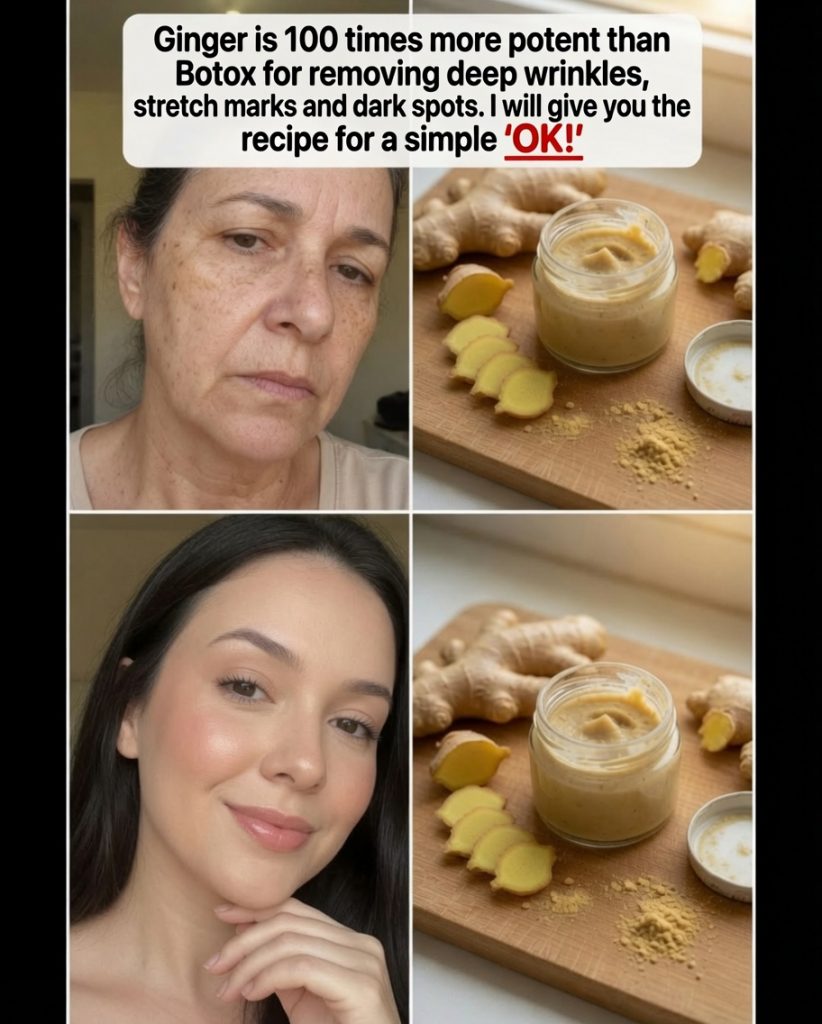
Ginger for Skin: A Natural Way to Support a Healthy, Radiant Complexion
Imagine looking in the mirror and noticing skin that appears brighter, smoother, and more refreshed. While no single ingredient can stop the natural aging process, certain plant-based ingredients have earned attention for their antioxidant properties—and ginger is one of them.
For centuries, ginger has been valued in traditional wellness practices around the world. Today, researchers continue exploring its natural compounds and how they may support overall skin health. While ginger is not a miracle cure for wrinkles, dark spots, or aging, it can be a beneficial addition to a balanced skincare routine when used appropriately.
In this guide, you’ll discover the potential skin benefits of ginger, how to use it safely, and what current research suggests about its role in maintaining healthy-looking skin.
Why Does Ginger Attract So Much Attention in Skincare?
Ginger (Zingiber officinale) contains several naturally occurring compounds, including:
- Gingerols
- Shogaols
- Vitamin C
- Polyphenols
- Flavonoids
- Antioxidants
These compounds are being studied for their antioxidant and anti-inflammatory properties. Antioxidants help protect skin from oxidative stress caused by environmental factors such as UV exposure, pollution, and normal aging.
Although more clinical research is still needed, ginger may serve as a supportive ingredient in a well-rounded skincare routine.
7 Potential Benefits of Ginger for Skin Health
1. May Help Support Smoother-Looking Skin
As we age, collagen production naturally declines, making fine lines and wrinkles more noticeable.
The antioxidant compounds in ginger may help protect skin from oxidative damage that contributes to visible signs of aging. When combined with moisturizing ingredients, ginger may help skin appear softer and healthier over time.
Keep in mind that results vary, and ginger should not replace dermatologist-recommended treatments.
2. May Help Promote a More Even Skin Tone
Uneven pigmentation can develop after years of sun exposure.
Because ginger contains antioxidant compounds and vitamin C, it may help support a brighter, more even-looking complexion as part of a consistent skincare routine alongside daily sunscreen use.
3. May Help Improve Skin Radiance
Healthy circulation contributes to skin that looks vibrant.
Topical ginger may create a mild warming sensation that some people find invigorating during facial massage. Massage itself can temporarily improve circulation, giving skin a naturally refreshed appearance.
4. May Support Skin Elasticity
Firmness gradually decreases with age due to natural collagen loss.
While ginger cannot rebuild collagen overnight, its antioxidant activity may help support healthy skin as part of a routine that includes:
- Good nutrition
- Sun protection
- Regular moisturizing
- Adequate sleep
5. May Help Calm the Appearance of Temporary Redness
Some laboratory studies suggest ginger contains compounds with anti-inflammatory properties.
When properly diluted and well tolerated, ginger may complement soothing ingredients like aloe vera or honey in homemade skincare recipes.
However, ginger can also irritate sensitive skin, so patch testing is essential.
6. May Help Protect Skin from Environmental Stress
Daily exposure to pollution and UV rays generates free radicals that contribute to premature skin aging.
Antioxidants found in ginger may help defend against oxidative stress, making it a valuable ingredient alongside sunscreen and other healthy skincare habits.
7. May Complement an Overall Healthy Lifestyle
Beautiful skin depends on far more than topical products.
Eating a balanced diet, staying hydrated, sleeping well, exercising regularly, and managing stress all play important roles in maintaining healthy skin.
Enjoying ginger tea or incorporating fresh ginger into meals can be part of a nutritious lifestyle that supports overall wellness.
Key Nutrients Found in Ginger
| Natural Compound | Potential Role |
|---|---|
| Gingerols | Antioxidant activity |
| Shogaols | Plant compounds under scientific study |
| Vitamin C | Supports normal collagen formation |
| Polyphenols | Help combat oxidative stress |
| Flavonoids | Antioxidant support |
| Essential minerals | Contribute to overall nutrition |
Safe Ways to Use Ginger for Skin
1. Ginger and Honey Face Mask
Ingredients
- 1 teaspoon finely grated fresh ginger
- 1 tablespoon raw honey
Directions
- Mix well.
- Apply a thin layer.
- Leave on for 5–10 minutes.
- Rinse thoroughly with lukewarm water.
Use once weekly if your skin tolerates it well.
2. Diluted Ginger Facial Toner
Blend a small amount of fresh ginger with water, strain thoroughly, and heavily dilute before use.
Because ginger can be irritating, discontinue immediately if burning, redness, or discomfort occurs.
3. Ginger Tea
Ingredients
- 1 teaspoon sliced fresh ginger
- 1 cup (250 ml) hot water
Steep for 5–10 minutes.
Many people enjoy ginger tea as part of a balanced diet, although it should not be considered a treatment for skin conditions.
Tips for Using Ginger Safely
- Always perform a patch test before applying ginger to your face.
- Never apply concentrated ginger juice directly to sensitive skin.
- Avoid using ginger on broken, irritated, or sunburned skin.
- Stop using immediately if significant irritation develops.
- Wear sunscreen every day, especially when addressing uneven skin tone.
Healthy Habits That Work Well with Ginger
For the best chance of maintaining healthy-looking skin:
- Drink plenty of water.
- Eat colorful fruits and vegetables.
- Limit smoking and excessive alcohol consumption.
- Get sufficient sleep each night.
- Exercise regularly.
- Moisturize daily.
- Apply broad-spectrum sunscreen every morning.
These habits have much stronger scientific support than relying on any single natural ingredient.
Frequently Asked Questions
Can ginger remove wrinkles?
No. Ginger cannot remove wrinkles. However, its antioxidant compounds may help support healthy skin as part of an overall skincare routine.
Can ginger lighten dark spots?
There is limited evidence that ginger may contribute to a brighter-looking complexion, but it should not be expected to erase pigmentation. Consistent sun protection remains essential.
Is ginger safe for sensitive skin?
Not always. Ginger may cause irritation or allergic reactions in some individuals. Always patch test first.
Can drinking ginger tea improve skin?
A healthy diet that includes antioxidant-rich foods like ginger may support overall wellness, but no beverage alone can dramatically transform skin.
Final Thoughts
Ginger has remained a respected natural ingredient for generations, and modern research continues to explore its antioxidant and anti-inflammatory properties. While it won’t reverse aging or replace professional skincare treatments, it may complement a healthy lifestyle and a thoughtful skincare routine.
The most effective approach to maintaining healthy skin combines nutritious eating, sun protection, hydration, adequate sleep, gentle skincare, and realistic expectations. Ginger can be one small part of that bigger picture.
Medical Disclaimer:
This article is for educational purposes only and should not be considered medical advice. It is not intended to diagnose, treat, cure, or prevent any disease. If you have persistent skin concerns, allergies, eczema, or other dermatological conditions, consult a qualified healthcare professional or dermatologist before trying new skincare products or home remedies.