Over 60? The Best Foods to Help Maintain Muscle Strength, Energy, and Healthy Aging Naturally
Growing older doesn’t have to mean becoming weaker.
While it’s true that adults gradually lose muscle mass with age, this process isn’t entirely unavoidable. Healthy eating, regular physical activity, and adequate protein intake can help preserve muscle strength, support mobility, and maintain independence well into later life.
Many people believe fatigue, reduced strength, and slower movement are simply part of aging. In reality, lifestyle choices—especially nutrition—play a major role in how we age.
If you’re over 60 or caring for an older family member, these science-supported foods can become valuable additions to a balanced diet that promotes healthy muscles and overall well-being.
Why Muscle Health Matters After 60
Beginning around age 30, adults naturally lose small amounts of muscle each decade. This process often accelerates after age 60 and is commonly known as age-related muscle loss (sarcopenia).
Reduced muscle mass may contribute to:
- Lower strength
- Reduced balance
- Difficulty climbing stairs
- Slower walking speed
- Increased risk of falls
- Loss of independence
Fortunately, research shows that combining adequate protein intake, resistance exercise, and good nutrition can help slow this process.
Understanding Protein Needs in Older Adults
As we age, our muscles become less responsive to protein—a phenomenon researchers call anabolic resistance.
For this reason, many experts recommend that healthy older adults consume more protein than younger adults, depending on their health status and guidance from their healthcare provider.
Rather than eating most of your protein at one meal, spreading it throughout the day may better support muscle maintenance.
1. Chicken: A Lean Source of High-Quality Protein
Chicken breast is one of the richest sources of complete protein.
It naturally provides all the essential amino acids, including leucine, which plays an important role in stimulating muscle protein synthesis.
Benefits
- Supports muscle maintenance
- Helps preserve strength
- Low in saturated fat when skin is removed
- Easy to prepare in many healthy recipes
Healthy preparation
Choose:
- Grilled
- Baked
- Roasted
- Steamed
- Homemade soups
Limit deep-fried versions whenever possible.
2. Spinach: Nutrients for Active Living
Spinach provides several nutrients that support overall health, including:
- Folate
- Vitamin K
- Magnesium
- Potassium
- Nitrates
Dietary nitrates may help support healthy blood flow during physical activity, while magnesium contributes to normal muscle function.
Cooking spinach lightly can improve digestibility for many people.
3. Almonds: Small Snack, Big Nutrition
Almonds provide healthy fats, plant protein, vitamin E, and magnesium.
These nutrients support:
- Normal muscle function
- Heart health
- Bone health
- Long-lasting energy
Enjoy a small handful as a snack or sprinkle chopped almonds over yogurt or oatmeal.
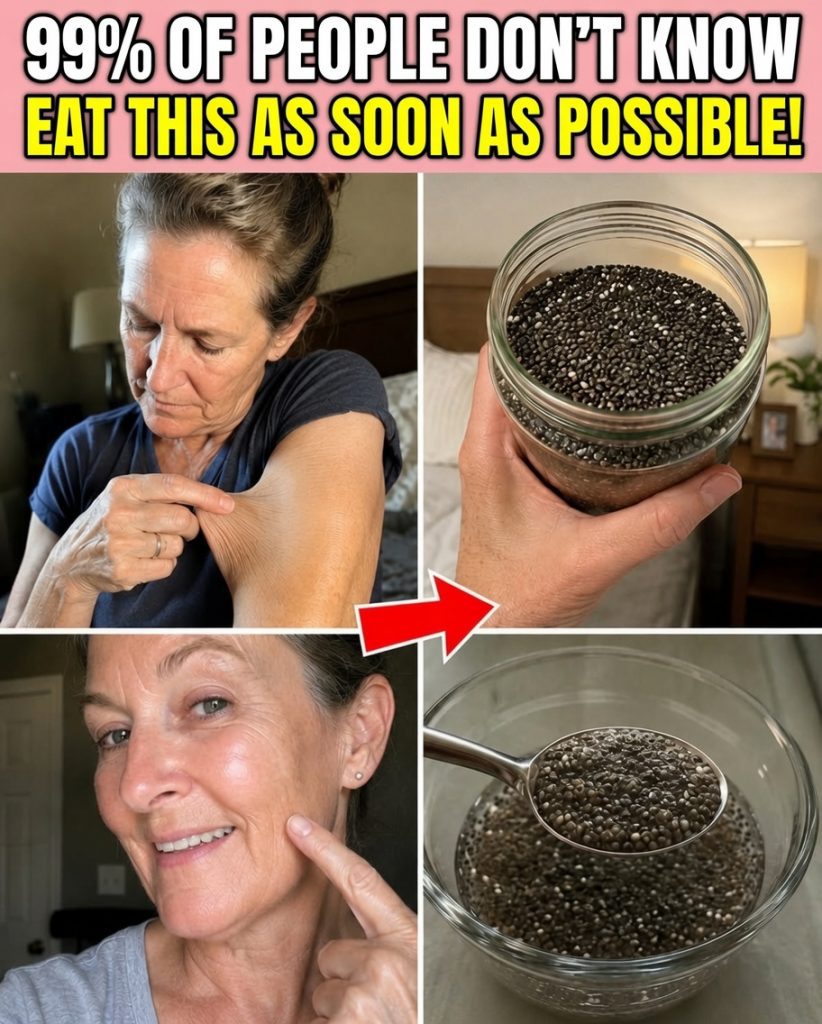
4. Chia Seeds: Tiny Seeds Packed with Nutrition
Despite their small size, chia seeds offer:
- Plant protein
- Fiber
- Omega-3 fats (ALA)
- Calcium
- Magnesium
When soaked, chia seeds develop a gel-like texture that many people enjoy in puddings, smoothies, or yogurt bowls.
5. Sardines: Nutrition for Muscles and Bones
Sardines are among the most nutrient-dense fish available.
They provide:
- Complete protein
- Calcium (when bones are eaten)
- Vitamin D
- Omega-3 fatty acids
These nutrients help support both muscle and bone health.
Choose sardines packed in water or olive oil whenever possible.
6. Eggs: One of Nature’s Most Complete Foods
Eggs contain high-quality protein together with several important nutrients, including:
- Vitamin B12
- Choline
- Vitamin D
- Selenium
- Lutein
- Zeaxanthin
They are affordable, versatile, and easy to prepare.
For most healthy individuals, eggs can fit into a balanced eating pattern, although dietary advice should always be personalized.
7. Lentils: Plant Protein With Fiber
Lentils are an excellent source of:
- Plant protein
- Iron
- Folate
- Potassium
- Fiber
Combining lentils with whole grains such as brown rice provides complementary amino acids that improve overall protein quality.
Lentils also support digestive health thanks to their high fiber content.
Fruits That Complement a Muscle-Friendly Diet
Adding fruit alongside protein-rich foods provides important vitamins, minerals, and antioxidants.
Excellent choices include:
Guava
One of the richest natural sources of vitamin C, which supports collagen formation and immune function.
Bananas
Rich in potassium, which contributes to normal muscle contraction.
Papaya
Contains vitamin C and digestive enzymes that naturally occur in the fruit.
Berries
Blueberries, strawberries, raspberries, and blackberries provide antioxidants that help protect cells from oxidative stress.
Lifestyle Habits That Help Preserve Muscle
Nutrition is only one piece of the puzzle.
Healthy muscles also depend on regular movement.
Experts recommend:
- Strength-training exercises 2–3 times per week
- Daily walking
- Balance exercises
- Stretching
- Getting enough sleep
- Staying well hydrated
Even small amounts of resistance exercise can help maintain muscle over time.
Sample One-Day Muscle-Friendly Menu
Breakfast
- Greek yogurt
- Soaked chia seeds
- Fresh berries
- Chopped almonds
Lunch
- Grilled chicken breast
- Brown rice
- Steamed spinach
- Mixed vegetables
Afternoon Snack
- Banana
- Handful of almonds
Dinner
- Lentil soup
- Sardines
- Mixed salad
Frequently Asked Questions
How much protein do older adults need?
Protein needs vary depending on age, body weight, physical activity, and medical conditions. Your healthcare provider or registered dietitian can help determine the right amount for you.
Are plant proteins enough?
Yes. A varied diet that includes legumes, nuts, seeds, whole grains, and other plant foods can contribute significantly to daily protein intake.
Do I need supplements?
Not necessarily. Many people can meet their nutritional needs through food alone. Supplements should only be used when recommended by a healthcare professional.
Can exercise really make a difference after 60?
Absolutely. Research consistently shows that resistance training combined with adequate protein intake can improve strength and help preserve muscle mass in older adults.
Final Thoughts
Healthy aging isn’t about finding miracle foods—it’s about building consistent habits.
Eating enough high-quality protein, including a variety of nutrient-rich whole foods, staying physically active, and getting regular medical care can help support muscle strength, mobility, and independence for years to come.
The earlier you begin caring for your muscles, the greater the long-term benefits. Even small improvements in your daily routine can make a meaningful difference in how you move, feel, and enjoy life.
Medical Disclaimer: This article is for educational purposes only and should not replace professional medical advice, diagnosis, or treatment. Consult your healthcare provider before making significant dietary or exercise changes, especially if you have chronic medical conditions or follow a medically prescribed diet.