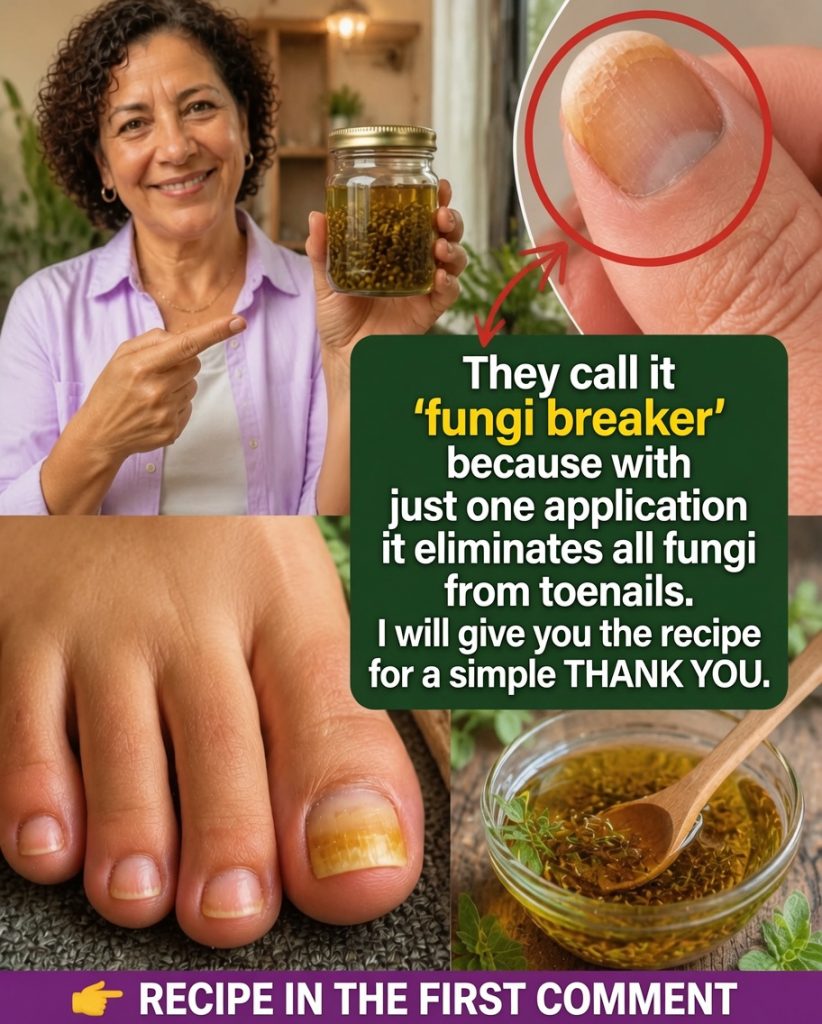
Oregano for Nail Fungus: Traditional Home Care, DIY Remedies, and What Science Really Says
Nail fungus, medically known as onychomycosis, is a common condition that can cause nails to become thickened, brittle, discolored, or difficult to trim. Although it is rarely a serious health problem, it can be frustrating because it often develops slowly and may take months to improve.
Alongside medical treatments, many people explore natural approaches to support healthy nail care. One of the most popular options is oregano, an aromatic herb that contains plant compounds with antifungal activity in laboratory research.
While oregano is not a guaranteed cure for nail fungus and should not replace professional medical treatment, it may be used as part of a broader nail hygiene routine.
This guide explains why oregano has attracted scientific interest, how it is traditionally used, simple DIY recipes, and practical habits that help support healthy nails.
Why Oregano Is Studied for Nail Care
Oregano contains several naturally occurring compounds, including:
- Carvacrol
- Thymol
- Rosmarinic acid
Laboratory studies have shown that carvacrol and thymol possess antimicrobial and antifungal properties against certain microorganisms. However, laboratory findings do not prove that homemade oregano remedies can successfully treat fungal nail infections in humans.
Because onychomycosis develops beneath the nail plate, it is often difficult for topical products—natural or pharmaceutical—to fully reach the affected area.
Traditional Oregano Home Remedies
If you’d like to include oregano in your foot-care routine, these traditional preparations are among the most commonly used.
1. Diluted Oregano Oil
Oregano essential oil is highly concentrated and should always be diluted before touching the skin.
Ingredients
- 1 drop oregano essential oil
- 1 teaspoon coconut oil or olive oil
Directions
Mix the oils thoroughly.
Apply a small amount to clean, dry nails using a cotton swab once daily.
Avoid applying undiluted oregano essential oil directly to the skin, as it may cause irritation.
2. Oregano Herbal Infusion
If you don’t have essential oil, an oregano tea can be used as part of a foot-care routine.
Ingredients
- 2 tablespoons dried oregano
- 1 cup water
Directions
- Bring the water to a boil.
- Add the oregano.
- Simmer for about 10 minutes.
- Allow the mixture to cool completely.
- Apply to the nails with a clean cotton pad.
3. Warm Foot Soak
A warm foot soak may help clean the feet and soften the nails before trimming.
Ingredients
- 1 liter warm water
- Prepared oregano infusion
- Optional: a small amount of apple cider vinegar
Directions
Soak your feet for approximately 15–20 minutes.
Dry your feet thoroughly afterward, paying special attention to the spaces between the toes.
Keeping the feet dry is one of the most important habits for managing fungal nail infections.
4. Oregano and Baking Soda Paste
Some people combine oregano infusion with a small amount of baking soda to create a paste for temporary application.
Although baking soda is commonly used in home remedies, there is limited clinical evidence that it treats nail fungus.
If irritation develops, discontinue use immediately.
5. Homemade Oregano-Infused Coconut Oil
Some traditional recipes involve gently warming dried oregano in coconut oil.
After straining, the infused oil may be applied to the nails as part of a moisturizing foot-care routine.
Store homemade preparations in a clean container and discard them if they develop an unusual odor or appearance.
How Long Does Nail Fungus Take to Improve?
Patience is essential.
Toenails grow slowly, so noticeable improvement often takes several months, even with prescription treatment.
As healthy nail gradually replaces damaged nail, you may begin to notice healthier growth near the base of the nail.
If the infection worsens, spreads, becomes painful, or affects multiple nails, seek evaluation from a healthcare professional.
Healthy Habits That Support Nail Care
Natural remedies work best when combined with good hygiene.
Keep Nails Trimmed
Trim nails straight across and keep them clean.
Use sanitized nail clippers to avoid spreading infection.
Keep Feet Dry
Fungi thrive in warm, moist environments.
After bathing or exercising:
- Dry your feet thoroughly.
- Change damp socks promptly.
- Wear breathable footwear.
Rotate Your Shoes
Allow shoes to dry completely between uses.
Alternating pairs may help reduce moisture buildup.
Choose Breathable Socks
Cotton or moisture-wicking socks help keep feet drier throughout the day.
Replace socks whenever they become damp.
Support Overall Health
A balanced diet rich in vegetables, fruits, lean proteins, whole grains, and healthy fats supports overall wellness, including healthy skin and nails.
When to See a Healthcare Professional
Natural home care is not appropriate for everyone.
Consult a healthcare provider if:
- The nail becomes painful.
- The infection spreads rapidly.
- Several nails are affected.
- You have diabetes or poor circulation.
- You notice swelling, drainage, or signs of bacterial infection.
- Home care is not improving the condition.
Prescription medications may be necessary in some cases.
Frequently Asked Questions
Can oregano cure nail fungus?
There is no reliable clinical evidence showing that oregano alone cures onychomycosis. Although oregano contains compounds with antifungal activity in laboratory studies, more human research is needed.
Is oregano oil safe?
Oregano essential oil should always be diluted before skin application. Never apply it directly to broken skin or use it internally unless directed by a qualified healthcare professional.
Can home remedies replace prescription treatment?
No. Persistent or severe fungal nail infections should be evaluated by a healthcare provider, who can recommend the most appropriate treatment.
Final Thoughts
Oregano has earned a place in traditional wellness because of its aromatic flavor and naturally occurring plant compounds that continue to interest researchers.
While home remedies featuring oregano may complement good foot hygiene, they should not be viewed as a guaranteed solution for nail fungus.
The most effective approach combines healthy daily habits, proper nail care, patience, and medical guidance when needed. With consistent care and realistic expectations, you can support healthier-looking nails and reduce the conditions that allow fungal infections to thrive.