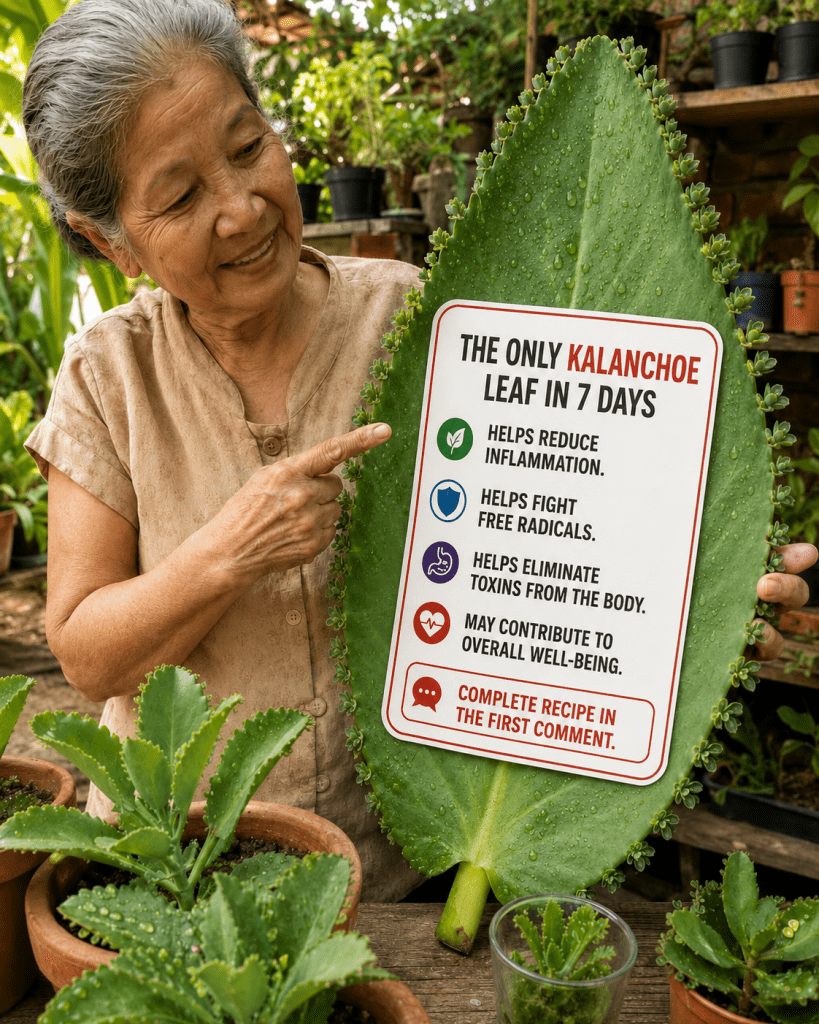
Kalanchoe (also known as Kalanchoe pinnata or “air plant”) is a succulent plant that has been used in traditional medicine for many years. It is valued for its antioxidant, anti-inflammatory, and soothing properties.
While it is popular in natural remedies, it’s important to know that Kalanchoe should be used with caution, especially when consumed internally. Some compounds in the plant can be toxic in high doses. For this reason, it is generally safer and more commonly recommended for external (topical) use.
In this article, you’ll learn about its potential benefits, safe ways to use it, and important precautions.
Main Properties of Kalanchoe
Kalanchoe contains natural compounds that may offer the following effects:
| Property | Potential Benefit |
|---|---|
| Antioxidant | Helps fight free radicals |
| Anti-inflammatory | May help reduce mild inflammation |
| Soothing | Traditionally used to calm skin irritation |
| Antimicrobial | May help protect against certain microorganisms |
| Healing | Supports skin recovery when used topically |
Potential Benefits of Kalanchoe
When used properly, Kalanchoe is traditionally believed to help with:
- Reducing mild inflammation
- Soothing skin irritations and minor wounds
- Supporting skin healing and regeneration
- Easing muscle discomfort (when applied topically)
- Acting as a natural antioxidant
- Supporting general wellness when used responsibly
Important: Most of these benefits are based on traditional use. Scientific evidence is still limited, and results can vary.
Safe Ways to Use Kalanchoe
1. Topical Use (Recommended & Safer)
- Crush fresh leaves into a paste.
- Apply directly to clean skin for minor irritations, insect bites, or small wounds.
- Leave on for 15–20 minutes, then rinse.
- Use 2–3 times per week.
2. Kalanchoe Tea (Internal Use – Use with Extreme Caution)
- Wash 1 small fresh leaf thoroughly.
- Boil it in 1 cup of water for 5 minutes.
- Let it steep for another 5 minutes, then strain.
- Drink only occasionally and in small amounts.
Note: Internal use of Kalanchoe is controversial and not recommended for long periods or in large quantities.
3. Kalanchoe + Aloe Vera (Topical)
- Mix fresh Kalanchoe leaf with aloe vera gel.
- Apply to the skin to soothe irritation or support skin recovery.
Important Precautions
Kalanchoe is not suitable for everyone. Avoid internal use if you:
- Are pregnant or breastfeeding
- Have heart problems
- Take medication (especially for the heart or blood pressure)
- Have liver or kidney issues
General safety rules:
- Never consume large amounts or use it daily for long periods.
- Always do a patch test before applying to the skin.
- Stop use immediately if you experience any allergic reaction or discomfort.
- Never use it as a substitute for medical treatment.
Final Thoughts
Kalanchoe is a traditional medicinal plant with interesting properties, especially when used topically on the skin. Its antioxidant and soothing effects make it popular in natural home remedies.
However, due to its potent compounds, it should be used with great responsibility and moderation. Internal consumption carries risks and is not recommended without professional guidance.
For most people, the safest and most effective way to benefit from Kalanchoe is through external application on the skin.
Would you like safe topical recipes using Kalanchoe? Let me know in the comments.
Disclaimer: This article is for informational purposes only. Kalanchoe contains compounds that can be toxic if misused. Internal use is not recommended without medical supervision. Always consult a healthcare professional before using any medicinal plant, especially if you are pregnant, breastfeeding, or taking medication.