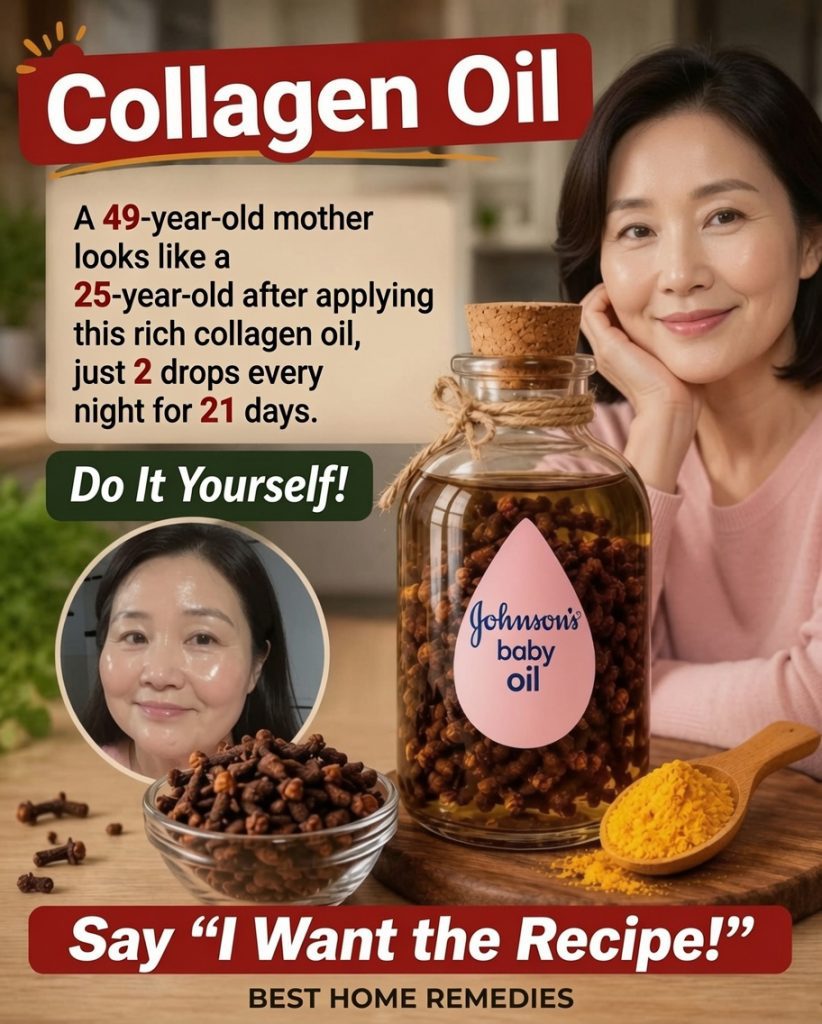
Homemade Clove Oil: Benefits, Uses, and an Easy DIY Recipe
Cloves are aromatic flower buds harvested from the tree Syzygium aromaticum. Prized for centuries in culinary traditions and natural wellness practices, cloves are known for their warm, spicy fragrance and rich concentration of beneficial plant compounds.
One of the easiest ways to enjoy the natural properties of cloves at home is by making homemade clove oil. This simple infused oil can be incorporated into beauty routines, DIY skincare products, massage blends, and home aromatherapy practices.
In this guide, you’ll learn what homemade clove oil is, its traditional uses, how to prepare it safely, and the best ways to use it in everyday life.
What Is Homemade Clove Oil?
Homemade clove oil is created by infusing dried cloves into a carrier oil such as:
- Olive oil
- Sweet almond oil
- Coconut oil
- Jojoba oil
During the infusion process, the oil absorbs some of the cloves’ aromatic compounds, creating a fragrant and versatile botanical oil.
Unlike commercial clove essential oil, which is highly concentrated and steam-distilled, homemade infused clove oil is significantly milder and generally easier to incorporate into topical wellness applications when properly diluted.
Key Compounds Found in Cloves
Cloves contain several naturally occurring plant compounds, including:
- Eugenol
- Flavonoids
- Polyphenols
- Antioxidants
Among these, eugenol is the primary compound responsible for cloves’ distinctive aroma and many of their traditional applications.
Potential Benefits of Homemade Clove Oil
While homemade clove oil is not a medical treatment, it has long been used in traditional wellness practices for a variety of purposes.
1. Provides a Soothing Sensory Experience
The warm and comforting scent of cloves is often associated with relaxation and seasonal comfort. Many people enjoy clove-infused oils during massage sessions or self-care rituals.
2. Supports Natural Skin Care Routines
When properly diluted, clove-infused oil may be included in homemade skincare preparations such as lotions, balms, and body oils.
Its antioxidant content makes it a popular ingredient in natural beauty recipes.
3. Adds a Warm Aroma to Aromatherapy Blends
The rich fragrance of cloves can help create a cozy atmosphere during colder months and may complement other essential oils such as cinnamon, orange, vanilla, or lavender.
4. Enhances DIY Beauty and Wellness Products
Homemade clove oil can be incorporated into:
- Body balms
- Herbal salves
- Sugar scrubs
- Massage oils
- Homemade lotions
Its spicy aroma adds depth and character to many natural formulations.
How to Make Clove Oil at Home
Creating your own clove oil requires only a few ingredients and minimal equipment.
Ingredients
- 1 cup dried whole cloves
- 1 cup carrier oil (olive oil, almond oil, coconut oil, or jojoba oil)
Equipment
- Clean glass jar with a tight-fitting lid
- Fine mesh strainer or cheesecloth
- Dark glass bottle for storage
Step-by-Step Instructions
Step 1: Lightly Crush the Cloves
Using a mortar and pestle, gently crack the cloves. This helps expose more surface area and encourages the release of aromatic compounds during infusion.
Step 2: Combine with Carrier Oil
Place the crushed cloves into a clean glass jar and cover completely with your chosen carrier oil.
Step 3: Allow the Mixture to Infuse
Seal the jar tightly and store it in a cool, dark location.
Allow the mixture to infuse for 2 to 4 weeks, gently shaking the jar every few days.
Step 4: Strain the Oil
After the infusion period, strain the mixture through cheesecloth or a fine filter to remove the cloves.
Step 5: Store Properly
Transfer the finished oil to a dark glass bottle.
For best quality:
- Store in a cool location
- Keep away from direct sunlight
- Refrigerate if desired for extended freshness
The slow-infusion method helps preserve the natural aroma without exposing the oil to excessive heat.
Ways to Use Homemade Clove Oil
✔ Massage Oil Blends
Add a small amount to other carrier oils for a warming massage blend.
✔ Aromatherapy Projects
Use in homemade candles, potpourri, wax melts, or diffuser blends designed for seasonal aromas.
✔ DIY Skin and Body Care
Incorporate into:
- Body oils
- Balms
- Moisturizing lotions
- Herbal salves
- Sugar and salt scrubs
Always keep concentrations low and perform a patch test before widespread use.
✔ Hair and Scalp Care
Some people include small amounts of clove-infused oil in homemade hair treatments or scalp massage blends.
Safety Tips
Although homemade clove oil is milder than essential oil, precautions are still important.
Always Dilute Before Topical Use
Avoid applying concentrated clove-infused oil directly to sensitive skin.
Perform a Patch Test
Test a small area of skin before regular use to check for irritation or sensitivity.
Avoid Contact with Eyes and Mucous Membranes
If accidental contact occurs, rinse thoroughly with water.
Keep Away from Children and Pets
Store safely in clearly labeled containers.
Do Not Consume Without Professional Guidance
Homemade clove oil is intended primarily for external use unless otherwise directed by a qualified healthcare professional.
Frequently Asked Questions
Is homemade clove oil the same as clove essential oil?
No. Clove essential oil is highly concentrated and produced through steam distillation, while homemade clove oil is a gentler infusion made with a carrier oil.
How long does homemade clove oil last?
When stored properly in a cool, dark place, it can often maintain good quality for several months.
Which carrier oil works best?
Olive oil, sweet almond oil, jojoba oil, and coconut oil are all popular choices. The best option depends on your intended use and personal preference.
Can I use fresh cloves instead of dried cloves?
Dried cloves are generally recommended because they contain less moisture, reducing the risk of spoilage during infusion.
Final Thoughts
Homemade clove oil is an easy and rewarding DIY project that combines traditional herbal wisdom with modern natural-living practices. With its warm fragrance and versatile applications, it can become a valuable addition to your beauty, aromatherapy, and self-care routines.
By preparing it carefully and using it responsibly, you can enjoy the rich aroma and traditional appeal of cloves while exploring a simple, natural approach to everyday wellness.
Disclaimer
This article is for informational and educational purposes only. Homemade clove oil is not intended to diagnose, treat, cure, or prevent any disease. Always consult a qualified healthcare professional before using herbal products if you are pregnant, nursing, taking medications, or have underlying health conditions.