Euphorbia Hirta: Discover the Incredible Benefits and Uses of This Medicinal Plant You May Not Know About
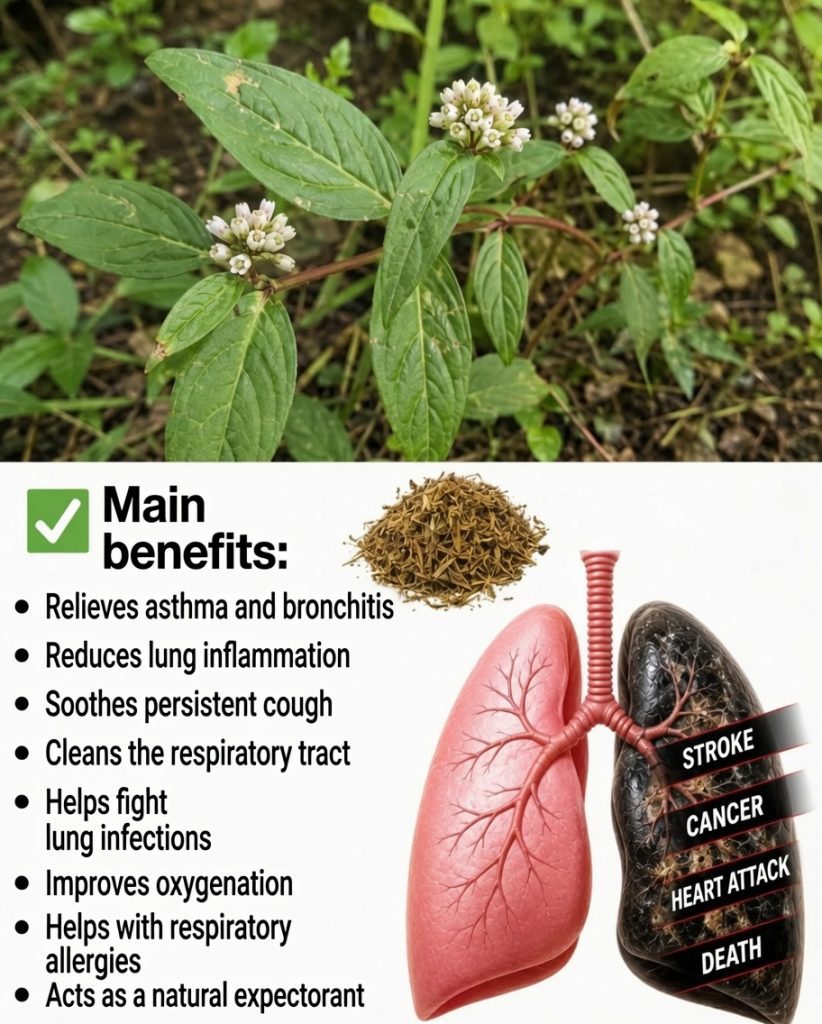
Euphorbia hirta, commonly known in many regions as “asthma weed”, is a medicinal plant that has been used for centuries in traditional medicine due to its remarkable healing properties. Its benefits range from supporting respiratory health to helping with digestive issues and skin conditions. This plant grows naturally in warm tropical climates, and its potential health benefits have been documented both in traditional healing practices and modern scientific studies.
In this article, we will explore the lesser-known benefits and uses of Euphorbia hirta and explain how it has traditionally been used in natural remedies, along with important safety considerations.
Benefits of Euphorbia Hirta
Euphorbia hirta is a versatile medicinal herb that offers a wide range of potential health benefits.
1. Support for Asthma and Respiratory Health
One of the most traditional uses of Euphorbia hirta is for respiratory support. The plant contains compounds believed to have bronchodilating properties, which may help relax airway muscles and promote easier breathing. Herbal infusions made from this plant have traditionally been used to relieve chronic coughs, asthma symptoms, and other respiratory discomforts.
2. Antibacterial and Antifungal Properties
Extracts of Euphorbia hirta have demonstrated antimicrobial activity against various strains of bacteria and fungi. This has made it a popular natural remedy for certain skin conditions and minor infections caused by microorganisms.
3. Digestive Health Benefits
The plant has traditionally been used to help manage digestive issues such as diarrhea and dysentery. Its antispasmodic properties may help relax the muscles of the digestive tract, reducing discomfort and abdominal cramping.
4. Anti-Inflammatory Properties
Research suggests that compounds found in Euphorbia hirta may help reduce inflammation in the body. This may be beneficial for individuals experiencing inflammatory conditions, joint discomfort, or minor injuries.
5. Traditional Support for Breast Milk Production
In some cultures, Euphorbia hirta has been used as a traditional galactagogue, meaning it is believed to help support breast milk production in nursing mothers.
6. Traditional Use Against Malaria Symptoms
In parts of Africa and Asia, the plant has historically been used as a traditional remedy to help manage malaria-related symptoms due to its antiparasitic and fever-reducing properties.
7. Potential Support for Blood Sugar Control
Some preliminary studies suggest that Euphorbia hirta may help support healthy blood glucose levels, making it a plant of interest in ongoing research related to type 2 diabetes management.
Lesser-Known Uses of Euphorbia Hirta
Beyond its more commonly recognized benefits, this medicinal plant has several lesser-known traditional uses.
1. Wart and Corn Treatment
The milky latex produced by the plant has traditionally been applied directly to warts and corns. Due to its caustic properties, it may gradually break down unwanted tissue. However, caution should be exercised, as the latex can also irritate healthy skin.
2. Natural Sleep Support
A mild infusion of Euphorbia hirta has traditionally been used to promote relaxation and support restful sleep. Its gentle calming effects may be helpful for individuals experiencing occasional insomnia or sleep disturbances.
3. Mood and Stress Support
Regular use in small traditional doses has also been associated with improved mood and reduced stress levels. Some herbal practitioners believe that its natural compounds may interact with the nervous system to promote feelings of calmness and well-being.
Important Safety Considerations
While Euphorbia hirta has a long history of traditional use, it should always be used with caution.
- Avoid excessive consumption.
- Pregnant and breastfeeding women should consult a healthcare professional before use.
- The plant’s latex may cause skin irritation in sensitive individuals.
- People taking prescription medications should seek medical advice before using herbal remedies.
- Discontinue use if any adverse reactions occur.
Conclusion
Euphorbia hirta is a fascinating medicinal plant with a rich history in traditional healing systems around the world. From supporting respiratory health and digestion to its potential anti-inflammatory and antimicrobial effects, this herb continues to attract interest from both herbal practitioners and researchers.
Although promising, it should be used responsibly and as part of a balanced approach to health. Always consult a qualified healthcare professional before using medicinal plants to address any health condition.
Disclaimer
This article is intended for informational purposes only and does not constitute medical advice. It should not be used as a substitute for professional diagnosis, treatment, or healthcare guidance.