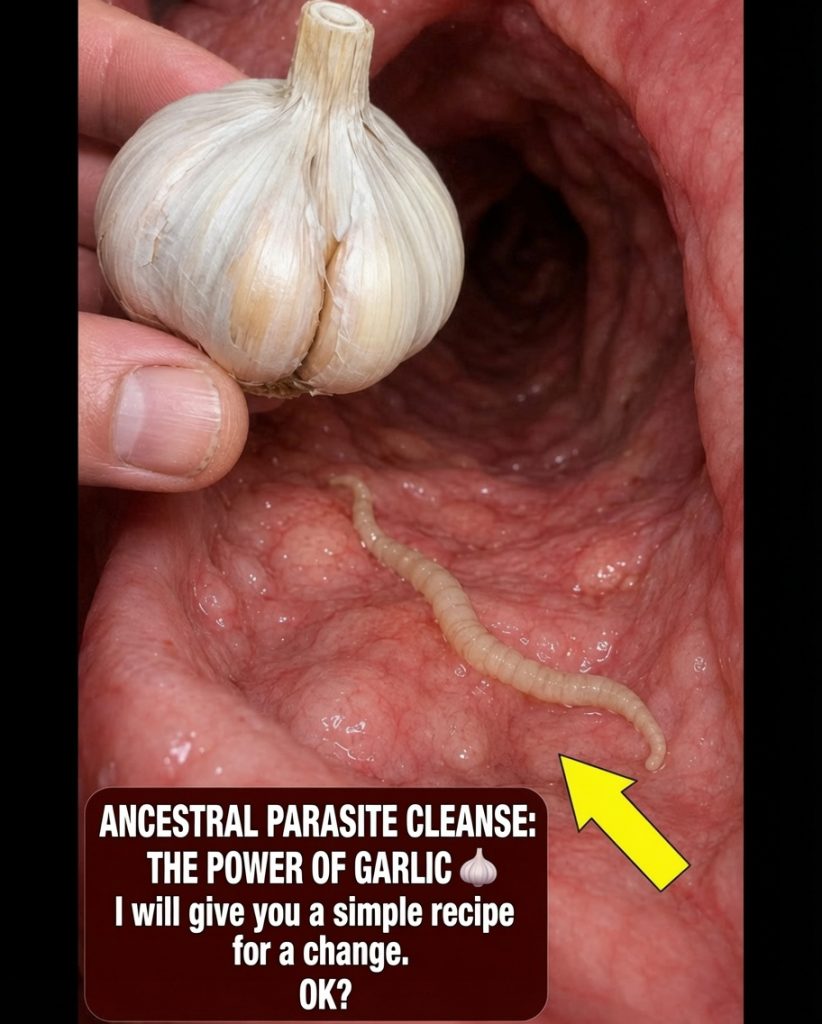
Garlic has been valued in traditional medicine for centuries as a natural way to support digestive health. Across many cultures, it has been used to help maintain a balanced intestinal environment and promote overall wellness.
Modern research has found that garlic contains sulfur-rich compounds with antimicrobial properties. While garlic is not a treatment for intestinal parasite infections, it can be part of a healthy diet that supports digestive and immune health. In this article, you’ll learn what science says, traditional ways people use garlic, and important safety considerations.
What Are Intestinal Parasites?
Intestinal parasites are organisms that live in the digestive tract and obtain nutrients from their host. Common types include certain worms and protozoa, which may spread through contaminated food, water, or poor hygiene.
Possible symptoms may include:
- Abdominal bloating
- Stomach discomfort
- Fatigue
- Diarrhea or constipation
- Nausea
- Anal itching
- Unexplained weight loss
These symptoms can have many different causes. If they are persistent, severe, or accompanied by fever, dehydration, or blood in the stool, seek medical evaluation promptly. Proper diagnosis is essential because parasite infections usually require prescription medication.
Why Is Garlic Popular for Digestive Health?
Garlic contains allicin, a sulfur compound produced when fresh garlic is crushed or chopped. Allicin has been widely studied for its antimicrobial and antioxidant activity.
Although research continues, garlic is commonly used in traditional wellness practices because it may help:
- Support a healthy balance of gut microorganisms
- Provide natural antioxidant compounds
- Contribute to normal immune function
- Promote overall digestive wellness
It’s important to understand that these potential benefits do not mean garlic can eliminate intestinal parasites or replace medical treatment.
Nutrients Found in Garlic
Garlic provides a variety of beneficial nutrients, including:
- Sulfur-containing compounds
- Vitamin C
- Selenium
- Manganese
- Natural antioxidants
When enjoyed as part of a balanced diet, these nutrients contribute to overall health and immune support.
Traditional Ways to Use Garlic
Many people incorporate garlic into their daily routine using simple traditional methods.
1. Fresh Raw Garlic
One common approach is to consume one small clove of crushed fresh garlic with food.
Helpful tip:
Allow crushed garlic to sit for about 10 minutes before eating. This gives the enzyme reaction time to produce more allicin.
If the flavor is too strong, many people mix it with:
- Honey
- Lemon juice
- Olive oil
Eating garlic with meals may also reduce stomach irritation.
2. Garlic Tea
Ingredients
- 2 cloves of garlic
- 1 cup hot water
- Lemon or honey (optional)
Instructions
- Crush the garlic cloves.
- Pour hot (not boiling) water over them.
- Let steep for 10 minutes.
- Strain if desired.
- Add lemon or honey for flavor.
Enjoy warm.
3. Pair Garlic with Other Nutritious Foods
Garlic is often combined with foods that naturally support digestive health, including:
- Pumpkin seeds
- Papaya
- Pineapple
- Ginger
- Yogurt with live cultures
- High-fiber vegetables
Together, these foods can contribute to a healthy digestive lifestyle.
Healthy Habits That Help Protect Digestive Health
No single food can prevent or eliminate intestinal parasites. Good daily habits are the most effective approach.
Helpful practices include:
- Wash fruits and vegetables thoroughly.
- Drink safe, clean water.
- Wash hands regularly.
- Cook meat completely.
- Eat plenty of fiber-rich foods.
- Stay well hydrated.
These simple habits support both digestive health and parasite prevention.
Important Safety Considerations
Although garlic is generally safe in culinary amounts, larger quantities may not be appropriate for everyone.
Use caution if you:
- Take blood-thinning medications
- Have a bleeding disorder
- Have stomach ulcers or severe acid reflux
- Experience digestive irritation after eating raw garlic
- Are preparing for surgery (your healthcare provider may recommend stopping garlic supplements beforehand)
Avoid internet remedies that involve inserting garlic into the body. These practices can cause irritation or injury and are not supported by medical evidence.
Can Garlic Replace Medical Treatment?
No.
If you suspect you have an intestinal parasite, it’s important to see a healthcare professional for proper testing and diagnosis.
Many intestinal parasites require specific prescription medications. Delaying treatment while relying only on home remedies may allow the infection to worsen.
Garlic may complement an overall healthy lifestyle, but it should never replace professional medical care.
Frequently Asked Questions
Is raw garlic better than cooked garlic?
Raw garlic contains more active allicin because prolonged cooking can reduce its formation. However, cooked garlic still provides valuable nutrients and antioxidants.
How much garlic is generally considered safe?
For most healthy adults, consuming garlic in normal culinary amounts is considered safe. If you’re considering larger amounts or supplements, consult your healthcare provider—especially if you take medications or have chronic health conditions.
Can garlic prevent parasites?
Good hygiene, safe food handling, and clean drinking water remain the most effective ways to reduce the risk of intestinal parasite infections. Garlic alone has not been proven to prevent these infections.
Final Thoughts
Garlic remains one of the world’s most popular natural foods for supporting digestive and immune health. Its unique sulfur compounds, antioxidants, and nutrients make it a valuable addition to a balanced diet.
While traditional practices often associate garlic with intestinal cleansing, current scientific evidence does not support using garlic as a cure for intestinal parasites. The healthiest approach combines nutritious foods, proper hygiene, regular medical care, and healthy lifestyle habits.
Adding garlic to your meals can be a flavorful and nutritious choice—but lasting digestive health comes from consistent healthy habits rather than any single ingredient.