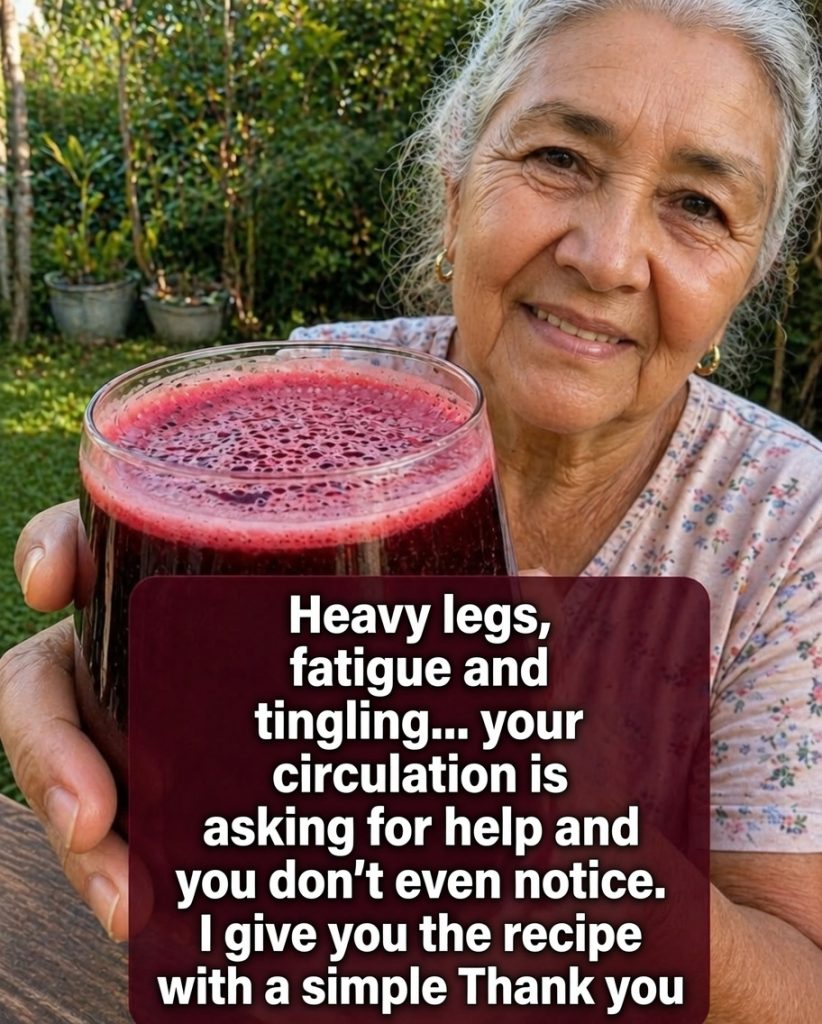
Do your legs feel unusually heavy after a long day? Have you noticed occasional tingling in your feet, mild swelling around your ankles, or nighttime leg cramps? These symptoms can have many different causes, ranging from prolonged sitting to underlying circulation problems.
While persistent or severe symptoms should always be evaluated by a healthcare professional, adopting healthy lifestyle habits and eating nutrient-rich foods may help support normal blood flow. One food that has gained attention for its nutritional value is beetroot.
Rich in naturally occurring nitrates, antioxidants, vitamins, and minerals, beetroot can be a colorful addition to a balanced diet designed to support cardiovascular health and overall wellness.
In this article, you’ll learn how beetroot may benefit circulation, discover easy recipes, and explore simple habits that can help keep your legs feeling their best.
Why Do Heavy Legs and Tingling Occur?
Feeling heaviness in the legs isn’t always just a sign of fatigue. It can develop for several reasons, including temporary fluid retention, long periods of inactivity, or reduced blood circulation.
Common contributing factors include:
- Sitting for extended periods
- Standing for long hours
- Lack of regular exercise
- Excess body weight
- Dehydration
- Aging
- Certain medical conditions affecting circulation
You may also notice symptoms such as:
- Mild ankle swelling
- Occasional tingling or “pins and needles”
- Muscle fatigue
- Nighttime leg cramps
- Cold hands or feet
Because these symptoms can sometimes indicate an underlying medical condition, persistent discomfort should always be discussed with your healthcare provider.
Why Beetroot Is Good for Circulatory Health
Beetroot is one of the richest dietary sources of natural nitrates.
After consumption, the body converts these nitrates into nitric oxide, a molecule that helps relax blood vessels and supports healthy blood flow.
Researchers continue to study how dietary nitrates may contribute to cardiovascular health, exercise performance, and circulation.
Beetroot also provides:
- Folate
- Potassium
- Vitamin C
- Manganese
- Iron
- Fiber
- Natural antioxidants called betalains
Together, these nutrients support overall wellness as part of a healthy eating pattern.
Potential Benefits of Beetroot
May Support Healthy Blood Flow
Natural nitrates may help blood vessels relax, supporting efficient circulation throughout the body.
May Help Reduce the Feeling of Heavy Legs
When combined with regular movement and hydration, a healthy circulation-supportive diet may help reduce feelings of tired or heavy legs after long periods of standing or sitting.
Supports Heart Health
Beetroot is naturally low in calories and contains nutrients associated with heart-friendly dietary patterns.
It fits well into eating plans that emphasize vegetables, fruits, whole grains, and healthy fats.
Rich in Antioxidants
Betalains give beetroot its vibrant red color while providing antioxidant compounds that help protect cells from oxidative stress.
Supports Exercise Performance
Some studies suggest that dietary nitrates may improve oxygen efficiency during exercise, making beetroot a popular choice among recreational athletes.
Easy Beetroot Recipes for Everyday Wellness
1. Fresh Beetroot Wellness Juice
A refreshing drink packed with colorful vegetables and fruit.
Ingredients
- 1 medium beetroot
- 1 carrot
- 1 apple
- Juice of ½ lemon
- 1 cup water
Directions
- Wash and peel the beetroot and carrot.
- Chop all ingredients into small pieces.
- Blend with water until smooth.
- Stir in the fresh lemon juice.
- Serve immediately.
For maximum freshness, enjoy soon after blending.
2. Warm Beetroot and Ginger Tea
A comforting drink for cooler days.
Ingredients
- 1 small beetroot, sliced
- 1-inch piece fresh ginger
- 2 cups water
Directions
- Bring water to a gentle boil.
- Add beetroot slices and ginger.
- Simmer for about 10 minutes.
- Strain and enjoy warm.
3. Mediterranean Beetroot Salad
A simple side dish that pairs well with many meals.
Ingredients
- 2 cooked beets
- 1 garlic clove, finely minced
- 1 tablespoon extra virgin olive oil
- Juice of ½ lemon
- Fresh parsley
- Black pepper to taste
Directions
- Dice the cooked beets.
- Mix with garlic, olive oil, lemon juice, parsley, and pepper.
- Chill for 15 minutes before serving.
This salad is naturally rich in fiber and antioxidants.
Healthy Habits That Support Circulation
Nutrition works best when combined with everyday lifestyle choices.
Consider these simple habits:
Walk Daily
Aim for at least 30 minutes of walking most days of the week to encourage healthy blood flow.
Stay Hydrated
Adequate hydration helps maintain normal circulation and supports overall body function.
Elevate Your Legs
After a long day, raising your legs above heart level for 10–15 minutes may help reduce temporary swelling.
Limit Excess Sodium
Too much salt may contribute to fluid retention in some individuals.
Maintain a Healthy Weight
Reaching and maintaining a healthy weight can reduce strain on your circulatory system.
Avoid Sitting Too Long
If you work at a desk, stand up and move every hour to encourage circulation.
Frequently Asked Questions
Can beetroot cure poor circulation?
No. Beetroot is a nutritious vegetable that may support healthy circulation as part of a balanced lifestyle, but it is not a treatment or cure for vascular disease.
How often can I eat beetroot?
Most healthy adults can safely enjoy beetroot several times per week as part of a varied diet.
Is beetroot juice better than whole beetroot?
Both provide valuable nutrients. Whole beetroot also contains more fiber, while juice offers a convenient option for those who prefer beverages.
Safety Considerations
Although beetroot is generally safe, there are a few situations where caution is advised.
Speak with your healthcare provider before significantly increasing beetroot intake if you:
- Have kidney stones or a history of calcium oxalate stones
- Have advanced kidney disease
- Take medications that affect blood pressure
- Have been advised to limit potassium intake
Also remember that beetroot may temporarily turn urine or stools pink or red—a harmless effect known as beeturia.
Final Thoughts
Beetroot is much more than a colorful root vegetable. Its naturally occurring nitrates, antioxidants, vitamins, and minerals make it a nutritious choice for people looking to support cardiovascular health and overall wellness.
While no single food can solve circulation problems on its own, combining a balanced diet with regular exercise, hydration, quality sleep, and routine medical care can make a meaningful difference over time.
If heavy legs, persistent swelling, severe pain, or ongoing tingling continue despite healthy habits, seek medical evaluation to identify the underlying cause and receive appropriate treatment.