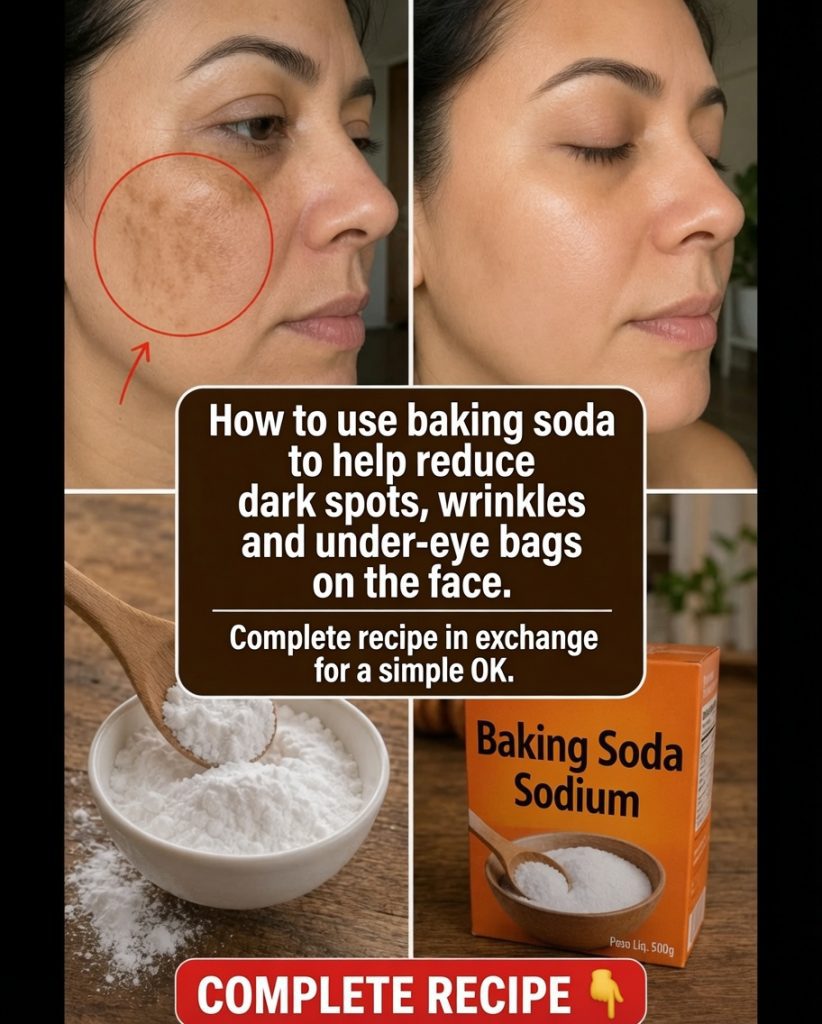
Baking Soda for Your Face: Benefits, Risks, and How to Use It Safely
Baking Soda for Your Face: What You Should Know Before Trying It
Baking soda is a common household ingredient that many people have considered adding to their skincare routine. Social media often promotes it as a simple solution for dull skin, uneven texture, or clogged pores. While baking soda can provide mild exfoliation, it is important to understand both its potential benefits and its risks before applying it to your face.
Unlike many online claims, baking soda is not a miracle treatment for wrinkles, dark spots, or acne scars. Used improperly, it may disrupt your skin’s natural protective barrier and lead to irritation. This guide explains how baking soda works, when it may be appropriate to use it, and how to minimize potential side effects.
How Baking Soda Affects the Skin
Baking soda (sodium bicarbonate) is an alkaline substance with a pH of approximately 8–9. Healthy skin naturally maintains a slightly acidic pH between 4.5 and 5.5, which helps protect against bacteria, moisture loss, and environmental damage.
Because baking soda is alkaline, frequent use may disturb this protective barrier. However, when used occasionally as a gentle physical exfoliant, some people find that it helps remove dead skin cells, leaving the skin temporarily smoother and brighter.
Its exfoliating effect comes from its fine particles rather than any ability to change the skin itself.
Potential Benefits
When used carefully and infrequently, baking soda may offer several cosmetic benefits:
- Gently removes dead skin cells from the surface.
- Leaves skin feeling smoother and softer.
- Helps reduce the appearance of rough patches.
- Provides a temporary brighter-looking complexion.
- Inexpensive and widely available.
- Easy to combine with moisturizing ingredients like honey.
Keep in mind that these effects are generally temporary and vary depending on individual skin type.
Important Risks
Although baking soda may work for some people, dermatologists often recommend caution because it can:
- Dry out the skin.
- Cause redness and irritation.
- Trigger burning or itching.
- Damage the skin barrier with repeated use.
- Increase sun sensitivity.
- Worsen eczema, rosacea, or sensitive skin.
Avoid using baking soda if you have:
- Open cuts or wounds
- Active inflammatory acne
- Extremely dry skin
- Rosacea
- Eczema
- A recent chemical peel or laser treatment
Always perform a patch test on your inner arm and wait 24 hours before applying it to your face.
Safe Ways to Use Baking Soda
1. Gentle Exfoliating Paste
Ingredients
- 1 teaspoon baking soda
- 2–3 teaspoons water
Instructions
- Mix until a smooth paste forms.
- Wash your face with a gentle cleanser.
- Apply using light circular motions.
- Massage for no more than 1–2 minutes.
- Rinse thoroughly with lukewarm water.
- Pat dry and immediately apply moisturizer.
- Finish with sunscreen if using during the day.
Recommended frequency: No more than once weekly.
2. Baking Soda and Honey Mask
Honey helps offset some of baking soda’s drying effects.
Ingredients
- 1 teaspoon baking soda
- 1 tablespoon raw honey
Instructions
- Mix thoroughly.
- Apply a thin layer.
- Leave on for 3–5 minutes.
- Rinse with lukewarm water.
- Apply moisturizer afterward.
Best suited for normal to slightly dry skin.
3. Baking Soda and Coconut Oil Blend
This mixture provides additional moisture, although coconut oil may clog pores in acne-prone individuals.
Ingredients
- 1 teaspoon baking soda
- 1 teaspoon virgin coconut oil
Instructions
- Blend into a smooth paste.
- Massage gently for one minute.
- Rinse well.
- Follow with a lightweight moisturizer.
Use sparingly if you have oily or acne-prone skin.
Baking Soda vs. Modern Chemical Exfoliants
| Feature | Baking Soda | AHA/BHA Exfoliants |
|---|---|---|
| Cost | Very low | Moderate |
| Type of exfoliation | Physical | Chemical |
| Scientific support | Limited | Strong |
| Risk of irritation | Moderate to high if overused | Generally lower when used correctly |
| Frequency | Once weekly or less | 2–3 times weekly (depending on product) |
| Best for | Occasional exfoliation | Long-term skin texture improvement |
Common Questions
Can baking soda permanently remove dark spots?
No. There is no strong scientific evidence that baking soda fades pigmentation permanently. It may temporarily brighten skin by removing dead surface cells, but persistent discoloration often requires ingredients such as vitamin C, niacinamide, azelaic acid, or professional dermatological treatments.
Does it reduce wrinkles?
No. Baking soda does not stimulate collagen production or reverse skin aging. While freshly exfoliated skin may appear smoother, this effect is temporary.
Can I use baking soda under my eyes?
No. The skin around the eyes is extremely delicate. Baking soda may cause irritation, dryness, and redness. Products specifically formulated for the eye area are a safer choice.
How often should I use it?
Most skin types should limit use to once a week or less. If irritation develops, discontinue use immediately.
Tips for Healthier Skin
If your goal is brighter, smoother skin, consider combining gentle exfoliation with healthy daily habits:
- Drink enough water throughout the day.
- Wear sunscreen every morning.
- Use a gentle cleanser suitable for your skin type.
- Moisturize consistently.
- Eat a balanced diet rich in fruits and vegetables.
- Get enough sleep to support natural skin repair.
These habits generally have a greater long-term impact on skin health than any single home remedy.
Final Thoughts
Baking soda can provide a mild exfoliating effect when used occasionally and correctly, but it is not a cure for acne, wrinkles, dark spots, or other skin conditions. Because its alkaline nature may disrupt the skin’s protective barrier, moderation is essential.
If you have sensitive skin, chronic skin conditions, or persistent cosmetic concerns, consult a dermatologist before trying DIY facial treatments. Healthy skin is best maintained through gentle skincare, consistent sun protection, and realistic expectations rather than quick fixes.
Disclaimer: This article is intended for educational purposes only and should not be considered medical advice. It is not intended to diagnose, treat, cure, or prevent any disease or skin condition. If you experience persistent skin problems or irritation, seek guidance from a qualified healthcare professional.