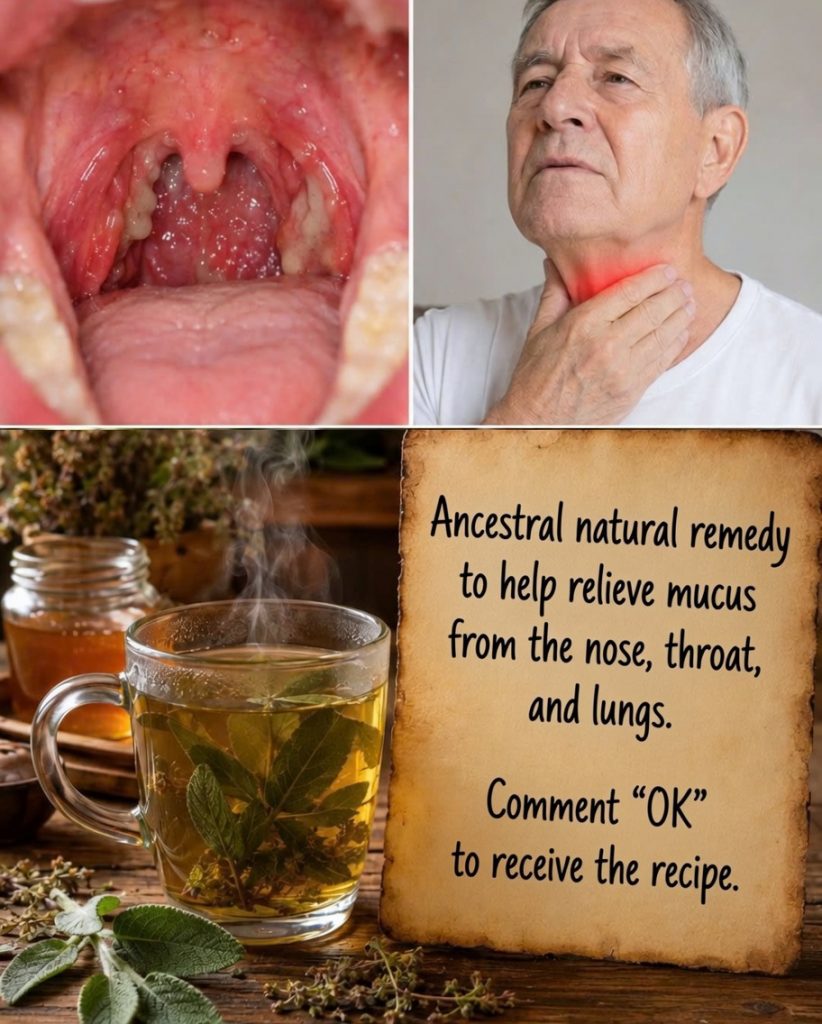
Ancient Sage Remedy for Clearing Mucus from the Nose, Throat, and Lungs Naturally
Excess mucus in the nose, throat, or lungs can make breathing uncomfortable and leave you feeling congested, especially during seasonal colds, allergies, or other respiratory illnesses. While mucus plays an important role in trapping dust, germs, and other particles, too much of it may contribute to coughing, throat irritation, sinus pressure, and nasal blockage.
Many people turn to traditional herbal remedies alongside rest, hydration, and appropriate medical care. One herb that has been valued for centuries is sage (Salvia officinalis). Known for its aromatic leaves and traditional use in herbal medicine, sage is commonly prepared as a tea, gargle, or steam inhalation to help soothe irritated airways and promote overall respiratory comfort.
Although sage is not a cure for infections or chronic lung disease, it may serve as a comforting addition to a healthy recovery routine.
Why Sage Has Been Used for Respiratory Wellness
Sage contains naturally occurring plant compounds, including essential oils, flavonoids, and antioxidants, that have been studied for their anti-inflammatory and antimicrobial properties. Traditionally, it has been used to:
- Soothe sore throats
- Support healthy mucus clearance
- Ease mild cough discomfort
- Promote easier breathing during congestion
- Freshen the mouth and throat
These traditional uses should be viewed as complementary rather than replacements for medical treatment.
Homemade Sage Tea for Respiratory Comfort
Ingredients
- 1 tablespoon dried sage leaves (or 2 tablespoons fresh leaves)
- 1 cup (250 ml) water
- 1 teaspoon honey (optional)
- A few drops of fresh lemon juice (optional)
Directions
- Bring the water to a boil.
- Add the sage leaves.
- Cover and let steep for about 10 minutes.
- Strain the tea.
- Stir in honey and lemon if desired.
- Enjoy while warm.
Suggested Use
Many people enjoy drinking one cup in the morning and another in the evening for several days when experiencing temporary congestion. Warm herbal tea may also help soothe an irritated throat.
Steam Inhalation with Sage
Steam can help moisten irritated airways and temporarily loosen thick mucus.
You’ll Need
- 1 liter of water
- A handful of fresh or dried sage leaves
Instructions
- Bring the water to a boil.
- Add the sage leaves.
- Remove from heat.
- Carefully inhale the warm steam for 5–10 minutes while keeping your face at a safe distance to avoid burns.
Never use steam inhalation with young children due to burn risk.
Simple Sage and Honey Syrup
Ingredients
- 1 cup concentrated sage tea
- 2 tablespoons honey
- Juice from half a lemon
Preparation
Mix all ingredients thoroughly and store in a clean glass container in the refrigerator for up to several days.
Some people take one tablespoon up to three times daily as a soothing home remedy for mild throat irritation.
Sage Gargle for Sore Throat
A warm sage rinse has long been used to calm throat discomfort.
How to Prepare
Prepare a cup of sage tea and allow it to cool until comfortably warm.
Gargle for 20–30 seconds before spitting it out.
Repeat two or three times daily if needed.
Potential Benefits of Sage
Traditional herbal use and early scientific research suggest sage may:
- Help soothe irritated throat tissues
- Support temporary relief from mild coughs
- Promote easier mucus clearance
- Freshen breath naturally
- Provide antioxidant compounds
- Offer mild antimicrobial activity
- Help calm inflamed tissues
- Support immune function as part of a balanced diet
- Encourage comfortable breathing during seasonal congestion
- Contribute to overall oral health
More high-quality human research is still needed to confirm many of these effects.
Natural Compounds Found in Sage
Sage naturally contains:
- Rosmarinic acid
- Carnosic acid
- Flavonoids
- Essential oils
- Polyphenols
- Antioxidants
These compounds contribute to the herb’s traditional reputation for supporting respiratory and oral wellness.
Helpful Lifestyle Tips for Managing Mucus
Herbal remedies work best alongside healthy habits, including:
- Drinking plenty of fluids
- Using a humidifier if indoor air is dry
- Getting adequate rest
- Eating a balanced diet rich in fruits and vegetables
- Avoiding cigarette smoke and other respiratory irritants
- Seeking medical care if symptoms worsen or persist
Safety Considerations
Although sage is widely used as a culinary herb, medicinal amounts may not be appropriate for everyone.
Use caution if you:
- Are pregnant or breastfeeding
- Have epilepsy or seizure disorders
- Take medications for diabetes or blood pressure
- Have chronic medical conditions requiring ongoing treatment
Avoid excessive consumption of concentrated sage preparations, as some varieties naturally contain thujone, which may be harmful in large amounts.
Always consult a qualified healthcare professional before using herbal remedies regularly, particularly if you take prescription medications.
Frequently Asked Questions
Can sage cure lung infections?
No. Sage should not be considered a cure for bacterial or viral infections. It may provide soothing support for mild respiratory discomfort but cannot replace appropriate medical treatment.
How often can I drink sage tea?
Most healthy adults can enjoy it occasionally in moderation. If you plan to consume it regularly, consult your healthcare provider.
Is sage safe for children?
Medicinal preparations are generally not recommended for young children without guidance from a healthcare professional.
Can I combine sage with honey and lemon?
Yes. Honey and lemon are commonly added to improve flavor and provide additional throat-soothing effects.
Final Thoughts
Sage has earned a lasting place in traditional herbal medicine thanks to its aromatic leaves and long history of use for respiratory comfort. Whether enjoyed as a warm tea, used as a gentle gargle, or prepared as a steam inhalation, it may help support overall throat and airway comfort during periods of mild congestion.
However, persistent coughing, difficulty breathing, high fever, chest pain, or symptoms lasting longer than expected should always be evaluated by a healthcare professional.
Disclaimer: This article is for educational purposes only and is not intended to diagnose, treat, cure, or prevent any disease. Always consult a qualified healthcare provider before beginning any herbal remedy, particularly if you have existing medical conditions or take prescription medications.