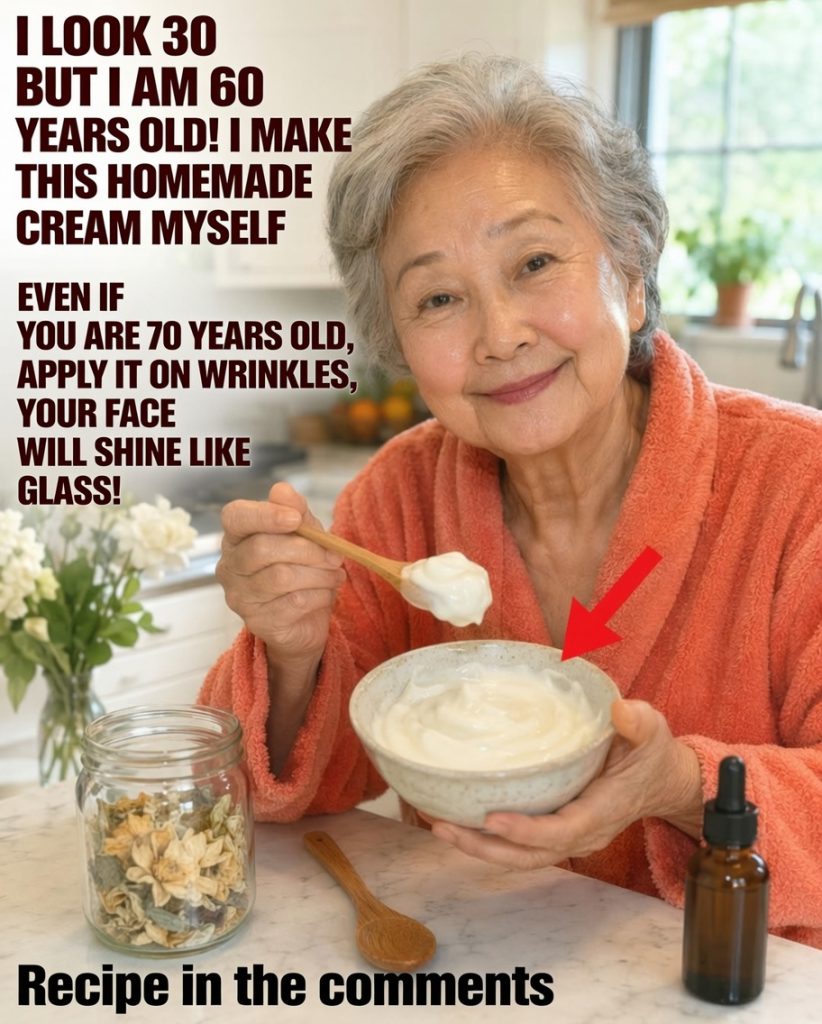
DIY Honey and Coconut Oil Face Mask: A Natural Way to Pamper Your Skin
As we age, our skin naturally changes. Fine lines become more noticeable, moisture levels decrease, and uneven skin tone may gradually appear due to sun exposure, environmental factors, and the natural aging process.
While no homemade cream can erase wrinkles or dramatically reverse aging, simple skin care routines that focus on hydration and gentle cleansing can help skin look healthier and feel more comfortable.
One popular DIY recipe combines honey and coconut oil—two ingredients that have long been used in home beauty routines. This article explains how to prepare the mask safely, what benefits you can realistically expect, and why certain ingredients should be used with caution.
Why Choose Natural Skin Care?
Many people enjoy homemade skin care because it:
- Uses simple ingredients
- Is budget-friendly
- Can be customized for individual preferences
- Encourages regular self-care
- Avoids unnecessary fragrances or additives
However, “natural” does not always mean “better” or “safer.” Patch testing is essential before applying any homemade product to your face.
Key Ingredients
Coconut Oil
Coconut oil is widely used as a moisturizer because it helps reduce moisture loss from the skin.
Potential benefits include:
- Softening dry skin
- Supporting the skin barrier
- Improving the feeling of smoothness
People with oily or acne-prone skin may find coconut oil too heavy, as it can clog pores for some individuals.
Honey
Honey has been used in skin care for centuries.
It naturally contains compounds that help:
- Draw moisture into the skin
- Leave skin feeling soft
- Support the skin’s natural barrier
Many people enjoy honey masks because they leave the skin feeling hydrated and refreshed.
Should You Add Lemon Juice?
Lemon juice is often included in homemade beauty recipes because it contains vitamin C.
However, applying fresh lemon juice directly to the skin is generally not recommended by dermatologists because it may:
- Cause irritation
- Increase sensitivity to sunlight
- Lead to redness or burning
- Increase the risk of phytophotodermatitis after sun exposure
If your goal is brighter-looking skin, products specifically formulated with stable vitamin C are generally considered a safer option than fresh lemon juice.
For this reason, the recipe below does not include lemon juice.
DIY Honey and Coconut Oil Face Mask
Ingredients
- 1 tablespoon coconut oil
- 1 tablespoon pure honey
Instructions
- Combine the honey and coconut oil in a small bowl.
- Stir until smooth and well mixed.
- Apply a thin layer to clean skin, avoiding the eye area.
- Leave on for 15 to 20 minutes.
- Rinse thoroughly with lukewarm water.
- Pat the skin dry with a soft towel.
How Often Should You Use It?
Most people use this type of moisturizing mask:
- Once or twice each week
- In the evening
- After cleansing the face
Always follow with your regular moisturizer if needed.
Potential Benefits
When used appropriately, this simple mask may help:
Improve Skin Hydration
Both honey and coconut oil help reduce dryness, leaving skin feeling softer.
Enhance the Appearance of Smoothness
Well-moisturized skin often appears smoother, making fine lines temporarily less noticeable.
Support the Skin Barrier
Healthy skin barriers help reduce moisture loss and improve overall skin comfort.
Encourage a Relaxing Self-Care Routine
Taking time for weekly skin care can become an enjoyable ritual that supports overall well-being.
Additional Tips for Healthy-Looking Skin
Healthy skin depends on much more than topical products.
Dermatologists generally recommend:
- Applying broad-spectrum sunscreen every day
- Drinking enough water
- Eating plenty of fruits and vegetables
- Sleeping seven to nine hours each night
- Avoiding smoking
- Managing stress
- Using gentle cleansers and moisturizers
These habits have a greater long-term impact than any homemade face mask.
Important Safety Tips
Before trying any DIY skin care recipe:
- Perform a patch test on your inner forearm for 24 hours.
- Do not apply the mask to broken or irritated skin.
- Stop using the product if redness, itching, or burning develops.
- Avoid getting the mixture into your eyes.
- If you have eczema, rosacea, or chronic skin conditions, consult a dermatologist before using homemade treatments.
Frequently Asked Questions
Can this mask remove wrinkles?
No. Homemade masks cannot eliminate wrinkles. Hydration may temporarily improve the appearance of fine lines, but permanent wrinkle reduction requires evidence-based skin care or professional treatments.
Can coconut oil clog pores?
Yes. Coconut oil is considered comedogenic for some people, especially those with oily or acne-prone skin.
Is honey good for sensitive skin?
Many people tolerate honey well, but individual reactions vary. Always perform a patch test before using it on your face.
Why isn’t lemon included?
Fresh lemon juice may irritate the skin and increase sun sensitivity. Most dermatologists recommend using professionally formulated vitamin C products instead.
Can I use this mask every day?
Once or twice weekly is generally sufficient for most skin types.
Final Thoughts
A simple honey and coconut oil face mask can be an affordable way to add moisture and softness to your skin while enjoying a relaxing self-care ritual. Although it won’t erase wrinkles or dramatically reverse signs of aging, consistent skin care habits can help maintain healthier-looking skin over time.
For the best results, combine gentle skin care with daily sunscreen, balanced nutrition, quality sleep, and a healthy lifestyle. Beautiful skin is built through consistent habits—not miracle ingredients.
Medical Disclaimer: This article is for educational purposes only and is not intended as medical advice. It does not diagnose, treat, cure, or prevent any disease. If you have persistent skin concerns or a medical skin condition, consult a board-certified dermatologist or qualified healthcare professional.