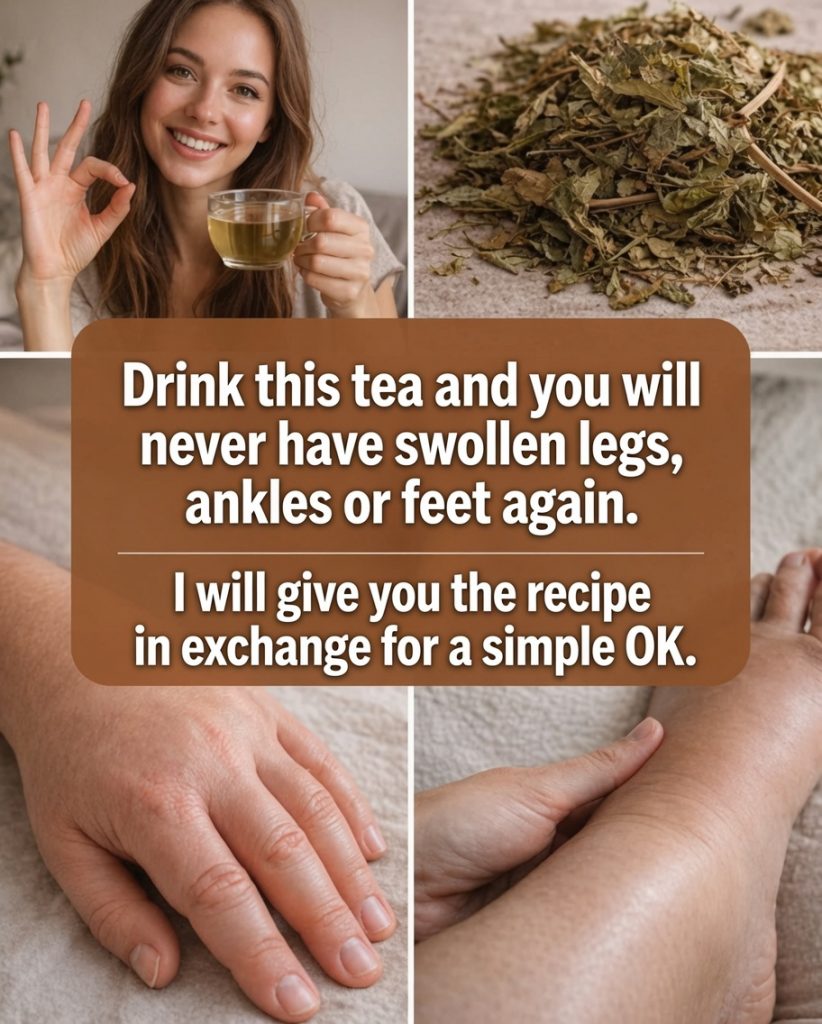
Looking for a Natural Way to Feel Lighter?
After a long day of standing, sitting at a desk, or traveling, many people notice their legs, ankles, or feet feel heavy or slightly swollen. While occasional swelling can happen for many everyday reasons, maintaining healthy circulation, staying active, and eating a balanced diet can often help improve overall comfort.
Among traditional wellness practices, herbal infusions made with ingredients like nettle, ginger, and fennel have been enjoyed for generations as part of a healthy lifestyle. Although these herbs are not treatments for medical conditions, they may provide gentle support when combined with good daily habits.
This guide explains how this herbal tea is traditionally prepared, what current evidence suggests about its ingredients, and important safety considerations.
Why Do Legs and Ankles Sometimes Swell?
Mild swelling in the lower legs or feet can occur for many reasons, including:
- Sitting for long periods
- Standing for extended hours
- Hot weather
- High sodium intake
- Reduced physical activity
- Hormonal changes
- Temporary fluid retention
Gravity naturally causes fluids to collect in the lower body, especially after long periods without movement.
If swelling appears suddenly, becomes severe, affects only one leg, or is accompanied by pain, chest discomfort, or difficulty breathing, seek immediate medical attention.
A Traditional Herbal Blend for Everyday Wellness
This simple herbal infusion combines three well-known botanical ingredients traditionally used to support overall wellness.
Ingredients
- 1 tablespoon dried nettle leaves
- 1 teaspoon freshly grated ginger
- 1 teaspoon fennel seeds
- 1½ cups (360 ml) water
- A few drops of fresh lemon juice (optional)
Why These Herbs Are Popular
Nettle
Nettle has a long history of traditional use in herbal wellness.
It naturally contains:
- Minerals such as potassium and magnesium
- Polyphenols
- Antioxidants
Many people enjoy nettle tea as part of a balanced lifestyle because of its naturally occurring plant compounds.
Ginger
Ginger is one of the world’s most widely studied culinary herbs.
Traditionally, it has been used to:
- Support healthy digestion
- Promote a warming sensation
- Complement an active lifestyle
Modern research has also explored ginger’s antioxidant and anti-inflammatory properties.
Fennel Seeds
Fennel seeds are commonly enjoyed after meals in many cultures.
They have traditionally been used to support:
- Digestive comfort
- Reduced feelings of bloating
- A pleasant, refreshing flavor
Their mild licorice-like taste pairs well with herbal teas.
How to Prepare the Herbal Tea
Instructions
- Bring the water to a gentle boil.
- Remove it from the heat.
- Add the dried nettle and fennel seeds.
- Cover and steep for about 10 minutes.
- Stir in the freshly grated ginger.
- Let steep for another 5 minutes.
- Strain the tea.
- Add a few drops of lemon juice if desired.
Serve warm.
Potential Wellness Benefits
When enjoyed as part of a healthy routine, this herbal tea may contribute to:
- Comfortable digestion
- A feeling of lightness after meals
- Daily hydration
- Antioxidant intake
- Relaxing self-care rituals
- Overall wellness
Because each ingredient contains naturally occurring plant compounds, many people enjoy this tea simply as a comforting herbal beverage.
However, individual experiences vary, and no herbal tea should be considered a substitute for medical treatment.
How to Enjoy It
Many people traditionally consume:
- One cup in the morning
- One cup during the afternoon
Limiting intake to no more than two cups daily is generally a sensible approach unless advised otherwise by a healthcare professional.
Healthy Habits That May Help Reduce Everyday Leg Discomfort
Herbal tea works best alongside healthy lifestyle choices.
Consider these simple habits:
Stay active
Walking for 20–30 minutes each day helps encourage normal circulation.
Elevate your legs
Resting with your legs slightly elevated after a long day may help improve comfort.
Stay hydrated
Drinking enough water supports normal body functions and fluid balance.
Reduce excess sodium
Limiting highly processed foods may help reduce occasional water retention.
Wear comfortable footwear
Supportive shoes may reduce fatigue after prolonged standing.
Optional Flavor Variations
If you enjoy experimenting with herbal teas, you can add small amounts of:
- Fresh lemon
- Cinnamon stick
- Mint leaves
- A pinch of turmeric
- Honey (optional)
These additions create different flavor profiles without significantly changing the preparation.
Safety Considerations
Although these herbs are widely consumed, they are not appropriate for everyone.
Consult your healthcare provider before regular use if you:
- Take prescription diuretics
- Use blood pressure medications
- Have kidney disease
- Are pregnant or breastfeeding
- Have chronic medical conditions
Natural products may interact with medications in some individuals.
When Should You Seek Medical Care?
Do not rely on home remedies if swelling is:
- Sudden or severe
- Limited to one leg
- Accompanied by redness or warmth
- Associated with chest pain
- Accompanied by shortness of breath
- Persistent despite lifestyle changes
These symptoms require prompt medical evaluation.
Frequently Asked Questions
Can herbal tea eliminate leg swelling?
No. Herbal tea cannot treat the underlying causes of swelling. It may simply be a pleasant beverage that complements healthy daily habits.
Can I drink this tea every day?
Moderate consumption is generally preferred. If you plan to use herbal teas regularly, discuss it with your healthcare provider, particularly if you have medical conditions.
Does this tea improve circulation?
Maintaining healthy circulation depends primarily on regular movement, physical activity, hydration, and overall cardiovascular health. Herbal teas should be viewed as supportive rather than therapeutic.
Can I sweeten the tea?
Yes. If desired, a small amount of honey may improve flavor, although many people prefer drinking it unsweetened.
Final Thoughts
Occasional leg and ankle swelling can often be influenced by everyday factors such as prolonged sitting, standing, hydration, and dietary habits. A warm herbal infusion made with nettle, ginger, and fennel offers a comforting, traditional way to support your overall wellness routine while increasing daily fluid intake.
Although these herbs have long histories of traditional use, they are not medical treatments. Lasting comfort comes from combining healthy eating, regular movement, adequate hydration, quality sleep, and professional medical care whenever symptoms are persistent or concerning.
A simple cup of herbal tea may not be a miracle solution—but paired with healthy daily habits, it can become a relaxing ritual that supports your journey toward feeling your best.
Disclaimer: This article is for educational purposes only and does not constitute medical advice. Herbal teas are not intended to diagnose, treat, cure, or prevent disease. Always consult a qualified healthcare professional before using herbal products regularly, especially if you have underlying health conditions or take prescription medications.