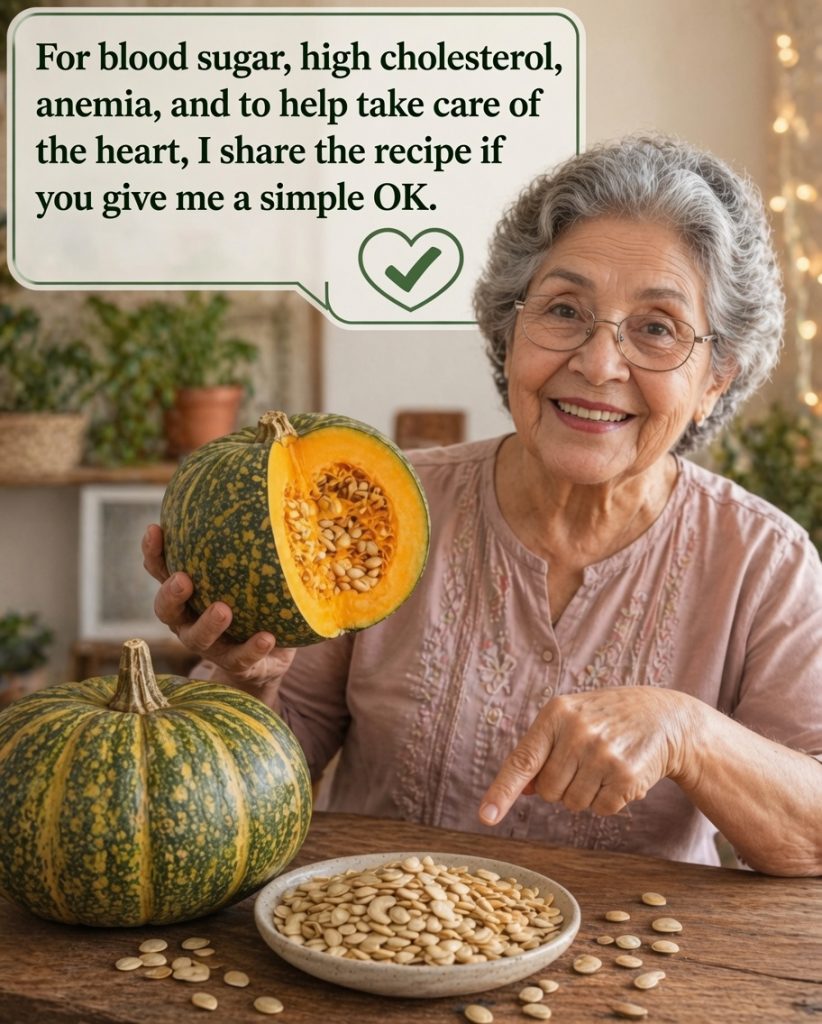
Pumpkin is far more than a seasonal favorite. This colorful vegetable has been enjoyed around the world for centuries and is valued not only for its naturally sweet flavor but also for its impressive nutritional profile.
Rich in vitamins, minerals, fiber, and antioxidant plant compounds, pumpkin fits well into a balanced eating pattern that supports overall health. Whether roasted, steamed, blended into soups, or added to smoothies, pumpkin is an easy and delicious way to increase your intake of nutrient-dense foods.
While no single food can prevent or treat disease, including pumpkin regularly as part of a healthy lifestyle may help support healthy blood sugar management, cardiovascular wellness, immune function, and digestive health.
Why Pumpkin Is Considered a Nutrient-Dense Food
Pumpkin provides a wide range of essential nutrients while remaining relatively low in calories.
One serving naturally contains:
- Dietary fiber
- Vitamin A (from beta-carotene)
- Vitamin C
- Potassium
- Magnesium
- Small amounts of iron
- Natural antioxidants
- Water for hydration
Because pumpkin is both filling and nutrient-rich, it is often recommended in healthy eating plans focused on long-term wellness.
Key Nutrients Found in Pumpkin
Dietary Fiber
Fiber helps:
- Support healthy digestion
- Promote fullness after meals
- Maintain regular bowel function
- Support healthy cholesterol levels as part of a balanced diet
Beta-Carotene
Pumpkin’s vibrant orange color comes from beta-carotene, a plant pigment that the body converts into vitamin A.
Vitamin A contributes to:
- Healthy vision
- Normal immune function
- Healthy skin
- Cell growth
Vitamin C
Vitamin C supports:
- Immune health
- Collagen production
- Protection against oxidative stress
- Wound healing
Potassium
Potassium is an essential mineral involved in:
- Fluid balance
- Muscle function
- Nerve signaling
- Healthy blood pressure when consumed as part of an overall balanced diet
Antioxidants
Pumpkin contains several antioxidant compounds that help protect cells from oxidative stress caused by free radicals.
Can Pumpkin Help Support Healthy Blood Sugar?
Pumpkin is often included in balanced meal plans because of its combination of fiber, water, and beneficial nutrients.
Dietary fiber may help:
- Slow the digestion of carbohydrates
- Reduce rapid spikes in blood sugar after meals
- Increase feelings of fullness
These effects can contribute to more stable energy levels throughout the day.
Pumpkin also contains antioxidants that help protect cells from oxidative stress, which is associated with many chronic health conditions.
For the greatest nutritional value, choose minimally processed pumpkin such as:
- Steamed pumpkin
- Roasted pumpkin
- Homemade pumpkin soup
- Fresh pumpkin puree
- Pumpkin added to vegetable stews
Highly sweetened pumpkin desserts and processed products often contain large amounts of added sugar and should be enjoyed in moderation.
People living with diabetes should continue following the advice of their healthcare provider regarding meal planning and medication.
How Pumpkin Supports Heart Health
Several nutrients found in pumpkin contribute to cardiovascular wellness.
Potassium
Adequate potassium intake helps maintain normal blood pressure by balancing the effects of sodium in the body.
Fiber
A diet rich in fiber may help maintain healthy cholesterol levels and support heart health.
Antioxidants
Beta-carotene and vitamin C help protect blood vessels and cells from oxidative damage.
Together, these nutrients make pumpkin a heart-friendly addition to a balanced diet.
Additional Health Benefits of Pumpkin
Supports Immune Function
Pumpkin supplies vitamins A and C, two nutrients that contribute to the normal function of the immune system.
Promotes Eye Health
Because pumpkin is naturally rich in beta-carotene, it provides nutrients that help maintain normal vision.
Eating a variety of colorful vegetables supports long-term eye health.
Helps With Weight Management
Pumpkin is naturally:
- Low in calories
- High in water
- Rich in fiber
These characteristics help increase fullness, making pumpkin a satisfying ingredient in balanced meals.
Supports Digestive Health
The combination of fiber and water promotes healthy digestion and regular bowel movements.
Helps Protect Cells
Pumpkin’s antioxidants help neutralize free radicals, supporting overall cellular health.
Easy Ways to Add Pumpkin to Your Diet
Pumpkin is incredibly versatile and works well in both savory and sweet recipes.
Creamy Pumpkin Soup
Blend cooked pumpkin with onions, garlic, herbs, and vegetable broth for a comforting meal.
Roasted Pumpkin
Toss pumpkin cubes with olive oil, garlic, rosemary, and black pepper before roasting until tender.
Pumpkin Mash
Use mashed pumpkin as a nutritious side dish instead of mashed potatoes.
Vegetable Stews
Add pumpkin to soups and stews for extra fiber, color, and natural sweetness.
Smoothies
Blend cooked pumpkin with banana, cinnamon, yogurt, and milk for a creamy breakfast drink.
Warm Grain Bowls
Pair roasted pumpkin with quinoa, brown rice, leafy greens, and grilled chicken or beans.
Don’t Forget Pumpkin Seeds
Pumpkin seeds are also packed with valuable nutrients.
They provide:
- Magnesium
- Zinc
- Iron
- Plant protein
- Healthy unsaturated fats
- Antioxidants
They make a delicious snack or topping for salads, yogurt, oatmeal, and soups.
Nutrition at a Glance
| Nutrient | Primary Benefit |
|---|---|
| Fiber | Digestive and heart health |
| Beta-carotene | Supports healthy vision and immune function |
| Vitamin C | Immune support and collagen production |
| Potassium | Healthy blood pressure support |
| Magnesium | Muscle and nerve function |
| Antioxidants | Helps protect cells from oxidative stress |
Tips for Getting the Most from Pumpkin
For maximum nutritional value:
- Choose fresh or minimally processed pumpkin.
- Roast instead of frying.
- Limit added sugar in pumpkin recipes.
- Pair pumpkin with lean protein and healthy fats for balanced meals.
- Include a variety of colorful vegetables throughout the week.
Frequently Asked Questions
Is pumpkin good for people with diabetes?
Pumpkin can fit into many diabetes-friendly meal plans because it contains fiber and important nutrients. Portion size and overall carbohydrate intake remain important, so individuals with diabetes should follow personalized medical advice.
Can pumpkin lower cholesterol?
Pumpkin’s fiber may help support healthy cholesterol levels when eaten as part of a diet rich in whole grains, fruits, vegetables, legumes, and other high-fiber foods.
Is canned pumpkin healthy?
Plain canned pumpkin without added sugar can be just as nutritious as fresh pumpkin.
Are pumpkin seeds healthy?
Yes. Pumpkin seeds provide protein, healthy fats, magnesium, zinc, and other important nutrients.
Final Thoughts
Pumpkin is one of nature’s most nutritious vegetables, offering an impressive combination of fiber, vitamins, minerals, antioxidants, and hydration. While it is not a treatment for diabetes, heart disease, or any other medical condition, regularly enjoying pumpkin as part of a balanced diet may support healthy blood sugar management, cardiovascular health, digestive wellness, and overall vitality.
Simple, affordable, and incredibly versatile, pumpkin deserves a place on the table throughout the year—not just during the fall season.