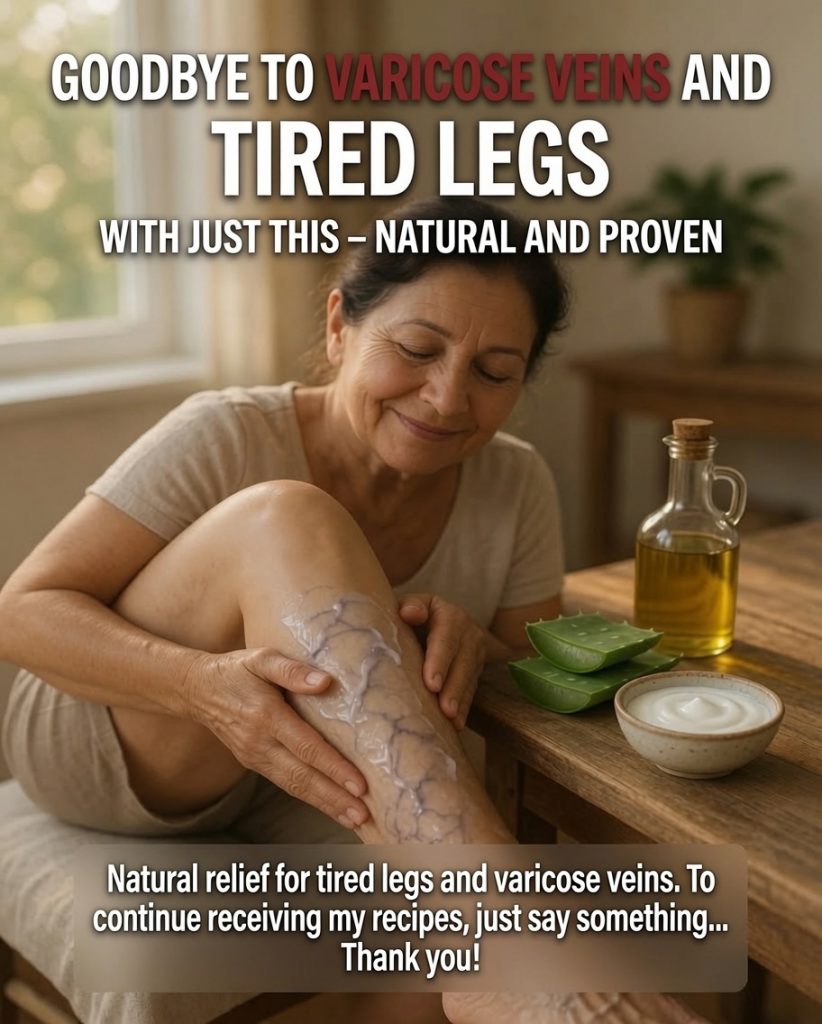
Varicose Veins in the Legs: Can Garlic Support Healthy Circulation? What Research and Traditional Use Suggest
Varicose veins affect millions of adults worldwide. They often develop gradually over many years rather than appearing overnight, and they usually result from a combination of aging, genetics, prolonged standing or sitting, pregnancy, excess body weight, and changes in vein function.
Although there is no natural remedy that can eliminate established varicose veins, many people look for ways to ease feelings of leg heaviness, support healthy circulation, and improve overall vein health through lifestyle changes.
One natural ingredient that has received attention for centuries is garlic. Best known as a flavorful kitchen staple, garlic contains plant compounds that have been studied for their effects on cardiovascular health and circulation.
In this guide, you’ll learn what varicose veins are, why they develop, how garlic may support vascular health, a simple garlic-infused massage oil recipe, and the daily habits that can help keep your legs feeling their best.
What Are Varicose Veins?
Varicose veins are enlarged, twisted veins that most commonly appear on the legs and feet.
Inside healthy veins are tiny valves that help move blood upward toward the heart. When these valves weaken or become less effective, blood can pool in the veins, increasing pressure and causing them to stretch and become more visible.
Varicose veins may cause symptoms such as:
- Aching or tired legs
- A feeling of heaviness
- Mild swelling around the ankles
- Nighttime leg cramps
- Itching around affected veins
- Visible blue or purple veins
While some people experience only cosmetic concerns, others may have discomfort that affects daily activities.
Common Risk Factors
Several factors increase the likelihood of developing varicose veins, including:
- Family history
- Aging
- Pregnancy
- Standing or sitting for long periods
- Limited physical activity
- Excess body weight
- Hormonal changes
- Smoking
- Chronic constipation
Although you cannot change your genetics, healthy lifestyle choices may help support better circulation.
Why Healthy Circulation Matters
Good circulation helps deliver oxygen and nutrients throughout the body while supporting normal vein function.
Healthy circulation may contribute to:
- Reduced feelings of leg fatigue
- Better mobility
- Healthier blood vessel function
- Improved overall cardiovascular wellness
Lifestyle habits that encourage movement and vascular health often provide greater long-term benefits than relying on any single natural remedy.
Garlic and Circulatory Health
Garlic (Allium sativum) has been used in traditional diets and herbal practices for thousands of years.
It naturally contains compounds such as:
- Allicin
- Organosulfur compounds
- Flavonoids
- Antioxidants
Researchers continue to study these compounds for their potential effects on cardiovascular health.
Some studies suggest that garlic may support:
- Normal blood vessel function
- Healthy circulation
- Antioxidant activity
- A balanced inflammatory response
- Healthy blood pressure already within the normal range
However, current research does not show that garlic can remove varicose veins or reverse damaged vein valves.
A Simple Garlic-Infused Massage Oil
Some people enjoy using garlic-infused oil as part of a relaxing leg massage routine.
Although there is no strong clinical evidence that topical garlic treats varicose veins, gentle massage itself may temporarily promote comfort and relaxation.
Ingredients
- 5 fresh garlic cloves
- ½ cup extra-virgin olive oil
- A clean glass jar with a lid
Directions
- Peel and lightly crush the garlic cloves.
- Place them in the glass jar.
- Pour in the olive oil until the garlic is fully covered.
- Seal the jar and store it in a cool, dark place for about one week.
- Shake gently once each day.
- Strain the oil before use.
How to Use the Massage Oil
Before using any homemade skincare preparation, perform a patch test on a small area of skin.
If no irritation develops:
- Apply a small amount of the infused oil to clean skin.
- Massage gently using upward strokes toward the heart.
- Avoid applying to broken skin, ulcers, or irritated areas.
- Wash your hands after use.
Discontinue use immediately if burning, redness, or irritation occurs.
What Results Can You Realistically Expect?
Natural approaches require realistic expectations.
A healthy lifestyle combined with regular self-care may help some people experience:
- Legs that feel more refreshed after massage
- Improved skin hydration from olive oil
- A relaxing evening routine
- Better awareness of daily circulation habits
However, garlic will not:
- Remove existing varicose veins
- Repair damaged vein valves
- Replace laser therapy or medical procedures
- Produce overnight results
Additional Habits That Support Healthy Veins
Natural remedies work best when combined with healthy daily habits.
Stay Physically Active
Walking for at least 30 minutes most days helps activate the calf muscles, which assist blood flow back toward the heart.
Elevate Your Legs
Resting with your legs elevated above heart level for short periods may help reduce temporary swelling after long hours of standing or sitting.
Maintain a Healthy Weight
Reducing excess pressure on the leg veins supports overall vascular health.
Stay Hydrated
Drinking enough water contributes to healthy circulation and overall wellness.
Eat a Heart-Healthy Diet
Choose foods rich in nutrients and antioxidants, including:
- Garlic
- Onions
- Citrus fruits
- Leafy green vegetables
- Berries
- Nuts and seeds
- Fatty fish rich in omega-3 fats
- Whole grains
Limit excessive intake of:
- Highly processed foods
- Excess sodium
- Added sugars
Avoid Sitting Too Long
If you work at a desk or travel frequently:
- Stand up every hour.
- Stretch your legs regularly.
- Flex your ankles to encourage blood flow.
Safety Considerations
Garlic is generally safe in normal food amounts, but concentrated preparations are not appropriate for everyone.
Consult your healthcare provider before using garlic supplements if you:
- Take blood-thinning medications
- Have a bleeding disorder
- Are preparing for surgery
- Are pregnant or breastfeeding
- Have sensitive skin or allergies
Topical garlic may cause irritation or burns in some individuals and should never be applied to broken skin.
When Should You See a Doctor?
Seek medical evaluation if you experience:
- Sudden or severe leg pain
- Rapid swelling in one leg
- Skin ulcers
- Bleeding from a varicose vein
- Significant skin discoloration
- Signs of infection, such as redness, warmth, or drainage
These symptoms may require prompt medical attention.
Frequently Asked Questions
Can garlic cure varicose veins?
No. There is no scientific evidence that garlic cures varicose veins or repairs damaged veins.
Is garlic good for circulation?
Garlic contains plant compounds that have been studied for their potential role in supporting cardiovascular health as part of a balanced diet, but it should not be considered a treatment for circulation disorders.
Is massage helpful for varicose veins?
Gentle massage may provide temporary comfort for some people, but it should be avoided over painful, inflamed, or damaged veins unless recommended by a healthcare professional.
Final Thoughts
Garlic has earned its reputation as one of nature’s most versatile foods thanks to its rich flavor and long history in traditional wellness. While it is not a cure for varicose veins, it can be part of a healthy lifestyle that supports overall circulatory health.
The most effective strategy for managing varicose veins combines regular physical activity, healthy eating, weight management, good hydration, and medical guidance when necessary. Small, consistent habits often make the biggest difference in helping your legs feel healthier and more comfortable over time.