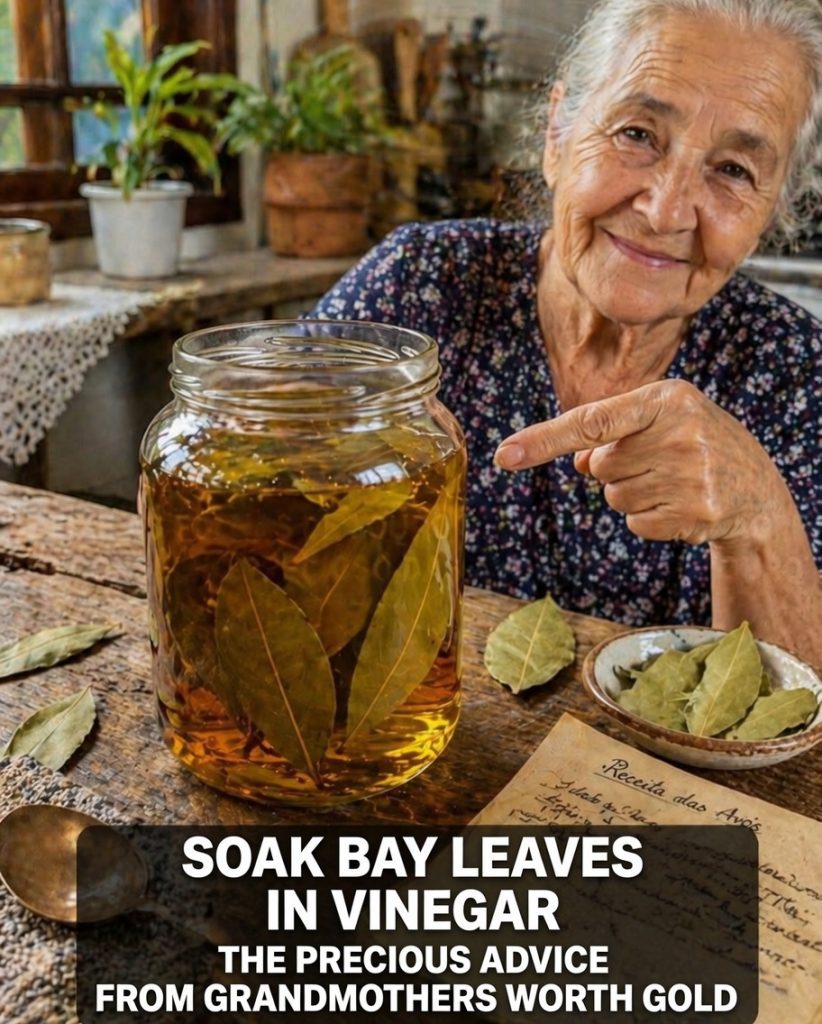
Some of the best kitchen ideas are passed down through generations. One traditional technique that continues to impress home cooks is infusing vinegar with bay leaves. This simple preparation transforms ordinary vinegar into a fragrant ingredient that adds depth and character to salads, marinades, roasted vegetables, and countless homemade recipes.
While bay leaves have long been appreciated in traditional herbal practices, their greatest modern appeal is their rich aroma and versatility in the kitchen.
In this guide, you’ll learn how to prepare homemade bay leaf vinegar, why it has remained popular for generations, and several creative variations you can try at home.
Why Bay Leaves Are a Favorite in the Kitchen
Bay leaves come from the evergreen tree Laurus nobilis, a plant native to the Mediterranean region.
For centuries, they have been valued for their distinctive aroma and have become a staple ingredient in cuisines around the world.
Their warm, slightly floral, and herbal flavor pairs well with:
- Soups
- Stews
- Roasted meats
- Seafood
- Tomato-based sauces
- Rice dishes
- Beans
- Pickled vegetables
Although bay leaves are often removed before serving, they leave behind a subtle, complex flavor that enhances many recipes.
A Long Culinary Tradition
Throughout history, bay leaves have symbolized honor, wisdom, and celebration.
In ancient Greece and Rome, laurel wreaths were awarded to scholars, athletes, and military leaders. Today, bay leaves remain a beloved ingredient that connects modern cooking with centuries of culinary tradition.
Why Infuse Bay Leaves in Vinegar?
Infusing vinegar with bay leaves creates a naturally aromatic condiment that can elevate everyday meals.
The warm vinegar helps extract the plant’s aromatic compounds, resulting in a flavorful infused vinegar that’s perfect for homemade dressings and marinades.
The finished product offers:
- A delicate herbal aroma
- A deeper flavor profile
- An easy way to enhance homemade recipes
- A thoughtful homemade kitchen gift
How to Make Bay Leaf Vinegar
Ingredients
- 1 liter (about 4 cups) good-quality white vinegar
- 15 fresh bay leaves, washed and thoroughly dried
- 1 clean glass bottle or jar with an airtight lid
Instructions
Step 1
Pour the vinegar into a saucepan and warm it gently over low heat.
Do not allow it to boil. Warm vinegar is sufficient to help release the bay leaves’ natural aroma.
Step 2
Place the clean, dry bay leaves into your glass bottle or jar.
Step 3
Carefully pour the warm vinegar over the leaves.
Allow the mixture to cool completely before sealing the container.
Step 4
Store the jar in a cool, dark place for 3 to 4 weeks.
Shake gently every few days to help distribute the flavors.
Step 5
After the infusion period, strain out the leaves and transfer the vinegar to a clean bottle.
Your homemade bay leaf vinegar is now ready to enjoy.
How to Use Bay Leaf Vinegar
This aromatic vinegar works beautifully in many recipes.
Try it in:
- Green salads
- Potato salad
- Bean salads
- Homemade vinaigrettes
- Marinades for chicken or fish
- Roasted vegetables
- Lentil dishes
- Grain bowls
Its mild herbal flavor complements many Mediterranean-inspired meals.
More Homemade Infused Vinegar Ideas
Once you’ve mastered bay leaf vinegar, you can experiment with countless flavor combinations.
Rosemary and Garlic
A bold infusion that pairs well with roasted potatoes, grilled vegetables, and meats.
Thyme and Sage
Perfect for poultry dishes and hearty autumn recipes.
Oregano
Adds a Mediterranean touch to pasta salads, tomatoes, and homemade pizza sauces.
Lavender
Produces a delicate floral vinegar that’s excellent in fruit salads and light vinaigrettes.
Elderflower
Creates an elegant infusion for spring and summer dishes.
Fruit-Infused Vinegars
Fruit can also add wonderful flavor to homemade vinegar.
Popular options include:
Citrus Peels
Use only the colorful outer zest of lemons or oranges, avoiding the bitter white pith.
Raspberries
A classic choice that creates a vibrant vinegar ideal for leafy salads and soft cheeses.
Blackberries
Offer a rich color and subtle sweetness that pairs beautifully with balsamic-style dressings.
Tips for Success
For the best results:
- Use fresh, high-quality herbs.
- Make sure all ingredients are completely dry before infusing.
- Store the finished vinegar in a cool, dark place.
- Use sterilized glass containers to maximize freshness.
- Label each bottle with the preparation date.
Frequently Asked Questions
How long does homemade infused vinegar last?
When prepared with clean equipment and stored properly, infused vinegar can often maintain its best quality for several months.
Can I use dried bay leaves?
Yes. Dried bay leaves work well, although fresh leaves often provide a brighter aroma.
Which vinegar works best?
White wine vinegar, apple cider vinegar, and distilled white vinegar are all excellent choices depending on the flavor profile you prefer.
Final Thoughts
Homemade bay leaf vinegar is a simple project that brings traditional cooking techniques into today’s kitchen. With just a few ingredients and a little patience, you can create a flavorful infused vinegar that adds depth to everyday meals.
Whether you use it for crisp salads, roasted vegetables, or homemade marinades, this timeless recipe proves that sometimes the simplest ingredients create the most memorable flavors.
If you enjoy experimenting in the kitchen, herb-infused vinegars are an easy and rewarding way to add natural flavor to your favorite dishes.