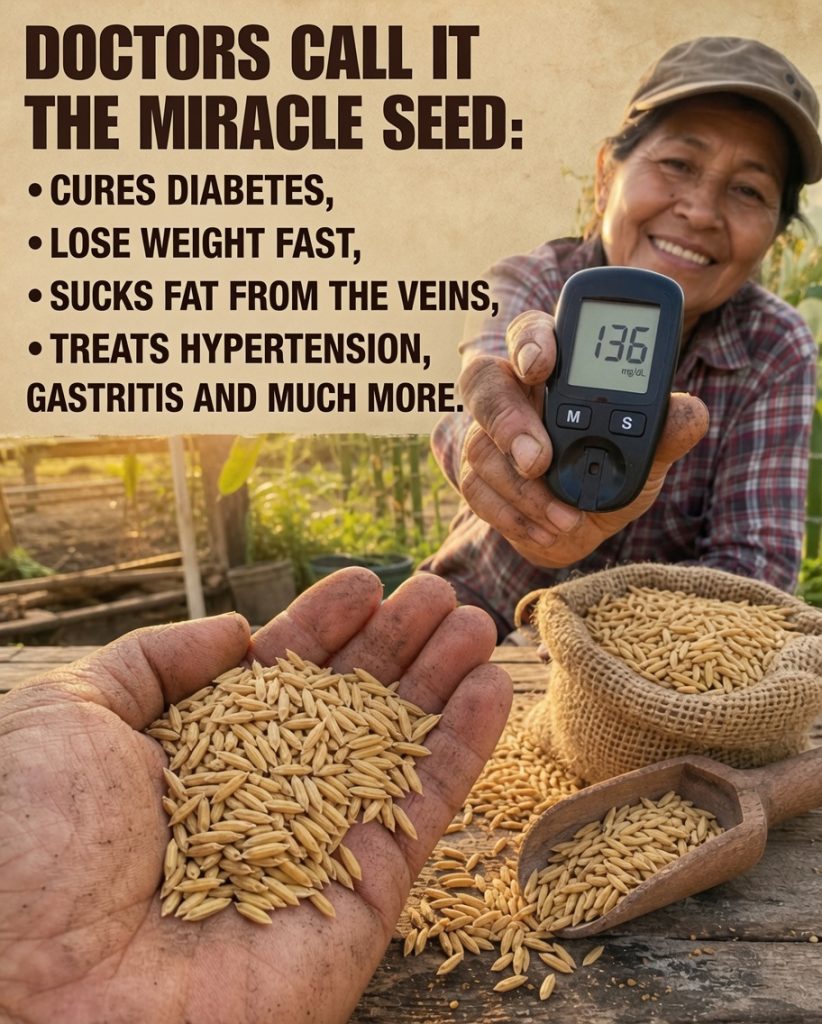
Can a Simple Grain Support Your Health?
Have you ever come across headlines claiming that a single food can solve multiple health problems overnight?
While such claims are often exaggerated, some traditional foods do offer impressive nutritional value. One example is whole wheat berries and sprouted wheat, which have been consumed for centuries as part of healthy diets around the world.
Rich in fiber, vitamins, minerals, and plant compounds, wheat berries may help support digestion, energy levels, and overall wellness when included in a balanced diet.
Let’s take a closer look at what wheat berries are and what science actually says about their potential benefits.
What Are Wheat Berries?
Wheat berries are the entire wheat kernel before processing. They contain all three parts of the grain:
- Bran
- Germ
- Endosperm
Because they remain intact, wheat berries retain more nutrients than refined wheat products.
When soaked and sprouted, wheat berries undergo natural changes that may increase the availability of certain nutrients and beneficial plant compounds.
Potential Health Benefits of Wheat Berries
1. Rich in Dietary Fiber
One of the biggest advantages of whole wheat berries is their high fiber content.
Fiber may help support:
- Healthy digestion
- Regular bowel movements
- Feelings of fullness after meals
- Balanced blood sugar management as part of a healthy diet
Many health organizations recommend increasing whole-grain consumption to improve overall nutrition.
2. May Support Healthy Weight Management
Foods rich in fiber tend to be more filling than highly processed alternatives.
Including whole grains such as wheat berries in meals may help people feel satisfied longer and support healthy eating habits.
3. Supports Heart Health
Whole grains contain naturally occurring compounds including:
- Fiber
- Magnesium
- Potassium
- Plant sterols
Research suggests that diets rich in whole grains may contribute to cardiovascular wellness when combined with other healthy lifestyle practices.
4. Provides Antioxidants and Plant Nutrients
The wheat germ portion of the grain contains antioxidants such as vitamin E and selenium.
These compounds help protect cells from oxidative stress caused by normal metabolic processes and environmental factors.
5. Supports Digestive Wellness
Fiber plays an important role in maintaining a healthy digestive system and supporting beneficial gut bacteria.
Sprouted wheat may also be easier for some people to digest compared with unsprouted grains.
6. Promotes Steady Energy
Unlike highly refined carbohydrates that are quickly absorbed, whole grains provide complex carbohydrates that release energy gradually throughout the day.
Many people find that whole-grain foods help support sustained energy levels.
7. Source of Essential Nutrients
Wheat berries naturally contain:
- Magnesium
- Zinc
- Iron
- B vitamins
- Protein
- Fiber
These nutrients contribute to numerous functions throughout the body, including energy metabolism and normal immune function.
Sprouted Wheat vs. Soaked Wheat
Many people choose to soak or sprout wheat berries before consuming them.
| Preparation Method | How It’s Made | Potential Advantages |
|---|---|---|
| Soaked Wheat | Soak in water for 8–12 hours | Softer texture and improved digestibility |
| Sprouted Wheat | Soak and sprout for 2–3 days | May increase certain vitamins and antioxidants |
| Blended in Smoothies | Soaked wheat combined with fruits or vegetables | Easy and convenient to consume |
How to Prepare Wheat Berries
Option 1: Soaked Wheat Berries
- Rinse 2–3 tablespoons of wheat berries thoroughly.
- Soak them in clean water overnight.
- Drain and rinse before eating.
- Add them to smoothies, yogurt, or salads.
Option 2: Sprouted Wheat
- Soak wheat berries for 8–12 hours.
- Drain and place them in a sprouting jar or container.
- Rinse twice daily.
- Allow small sprouts to develop over 2–3 days.
- Consume fresh or add to meals.
Safety Considerations
Although wheat berries are nutritious, they may not be suitable for everyone.
Avoid Wheat If You Have:
- Celiac disease
- Gluten sensitivity
- Wheat allergy
Additional Tips
- Start with small servings if you are not accustomed to high-fiber foods.
- Drink plenty of water when increasing fiber intake.
- Store sprouted grains properly and discard them if they develop unusual odors or signs of spoilage.
Supporting Your Health Beyond Food
No single food can prevent or cure chronic conditions.
For long-term wellness, consider combining nutritious foods with:
- Regular physical activity
- Adequate hydration
- Balanced meals
- Quality sleep
- Routine medical checkups
Small, consistent habits often have a greater impact than any individual ingredient.
Final Thoughts
Wheat berries and sprouted wheat are affordable, nutrient-dense foods that can be part of a healthy eating pattern. Their fiber, vitamins, minerals, and plant compounds make them a valuable addition to many diets.
While they are not a miracle solution, they may help support digestion, sustained energy, heart health, and overall wellness when enjoyed regularly as part of a balanced lifestyle.
Disclaimer: This article is for informational and educational purposes only. It is not intended to diagnose, treat, cure, or prevent any disease. Consult a qualified healthcare professional before making significant dietary changes, especially if you have a medical condition or take prescription medications.