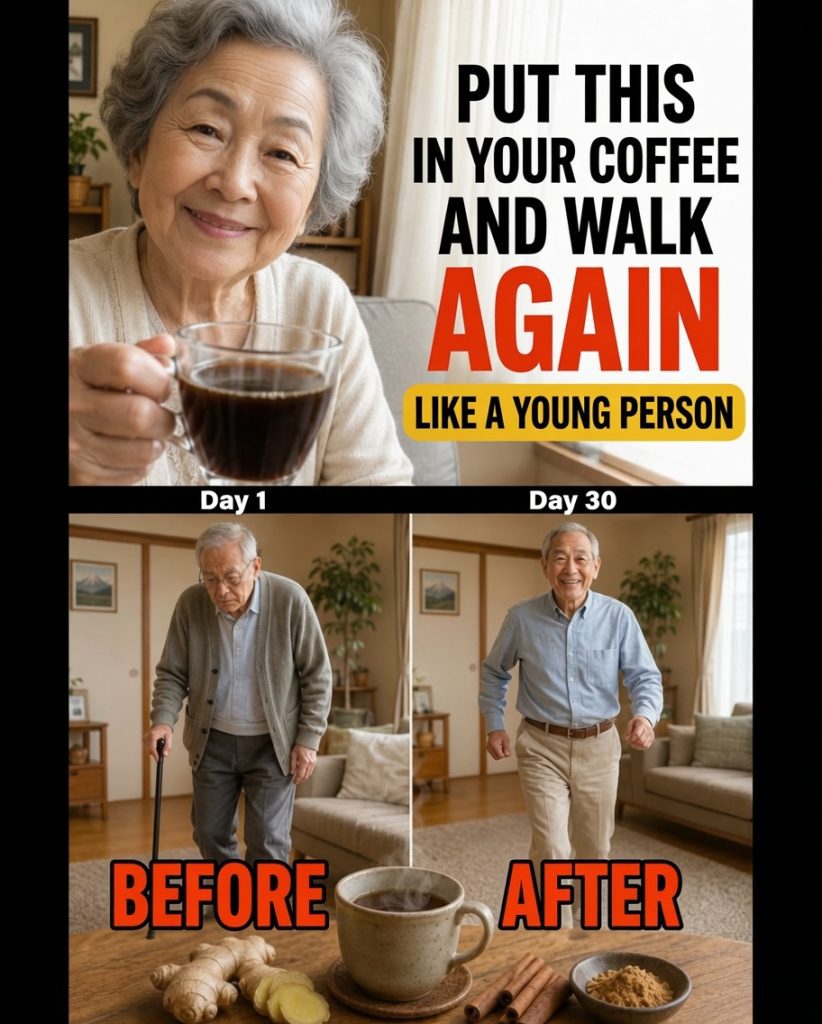
Three Traditional Teas That May Support Wellness and Active Aging After 60
As we grow older, maintaining mobility, balance, and muscle function becomes increasingly important. Many adults over 60 notice changes in strength, endurance, or confidence when walking and performing everyday activities.
While regular exercise, proper nutrition, hydration, and medical care remain the foundations of healthy aging, some traditional herbal teas may provide a comforting addition to a wellness routine. These beverages have been enjoyed for generations and are often appreciated for their relaxing aromas, warming effects, and role in promoting overall well-being.
In this article, we’ll explore three traditional teas commonly enjoyed by older adults and how they may complement a healthy lifestyle.
Understanding Muscle Health After 60
Age-related muscle loss, known as sarcopenia, is a natural part of aging. It can contribute to:
- Reduced muscle strength
- Slower walking speed
- Difficulty rising from a chair
- Increased risk of falls
- Reduced independence
Although herbal teas cannot prevent or reverse age-related muscle loss, healthy daily habits can help support physical function and quality of life.
Key habits include:
- Staying physically active
- Consuming adequate protein
- Drinking enough fluids
- Getting sufficient sleep
- Following medical advice
Simple daily rituals, such as enjoying a cup of herbal tea, may also encourage relaxation and hydration.
Why Daily Rituals Matter
Healthy aging is often built on consistent habits rather than dramatic changes.
A daily tea ritual can encourage:
- Better hydration
- Mindful relaxation
- Stress management
- Moments of self-care
- Consistency in healthy routines
While these benefits may seem small, they can contribute to overall well-being over time.
1. Ginger Tea
A Traditional Warming Beverage
Ginger tea has been used for centuries in many cultures and is known for its warm, spicy flavor.
Potential Benefits
Ginger contains natural compounds called gingerols and shogaols, which have been studied for their antioxidant and anti-inflammatory properties.
Research suggests ginger may help support:
- Digestive comfort
- Healthy circulation
- General wellness
- Occasional nausea relief
Many people enjoy ginger tea as a warming beverage, especially during colder months.
Simple Ginger Tea Recipe
Ingredients
- 1-inch piece of fresh ginger
- 1 cup hot water
Instructions
- Slice the ginger thinly.
- Add it to hot water.
- Steep for 5–10 minutes.
- Strain and enjoy.
2. Chamomile Tea
A Classic Tea for Relaxation
Chamomile tea is one of the most popular herbal teas worldwide.
It is often consumed in the evening because of its calming properties.
Potential Benefits
Chamomile may help support:
- Relaxation
- Healthy sleep habits
- Stress management
- General comfort
Quality sleep is an important factor in maintaining overall health, recovery, and physical function as we age.
Simple Chamomile Tea Recipe
Ingredients
- 1 chamomile tea bag or 1 tablespoon dried chamomile flowers
- 1 cup hot water
Instructions
- Pour hot water over chamomile.
- Steep for 5 minutes.
- Strain if necessary and serve.
3. Cinnamon Tea
A Fragrant Traditional Favorite
Cinnamon tea is valued for its naturally sweet aroma and comforting taste.
Potential Benefits
Studies have explored cinnamon’s role in supporting:
- Antioxidant activity
- Healthy blood sugar management in certain individuals
- Overall wellness
However, cinnamon should not be considered a treatment for any medical condition.
Simple Cinnamon Tea Recipe
Ingredients
- 1 cinnamon stick
- 1 cup water
Instructions
- Bring water to a gentle boil.
- Add the cinnamon stick.
- Simmer for 10 minutes.
- Remove from heat and enjoy warm.
Comparison of Traditional Teas
| Tea | Traditional Use | Potential Wellness Support |
|---|---|---|
| Ginger Tea | Warming beverage | Digestive comfort and hydration |
| Chamomile Tea | Relaxation ritual | Calmness and healthy sleep habits |
| Cinnamon Tea | Aromatic herbal drink | Antioxidant support and overall wellness |
This table is intended for educational purposes only and should not be interpreted as medical advice.
Healthy Habits That Matter More Than Any Tea
Although herbal teas can be enjoyable additions to your routine, maintaining strength and mobility after 60 depends primarily on evidence-based lifestyle habits:
Stay Physically Active
Activities such as:
- Walking
- Strength training
- Balance exercises
- Stretching
can help maintain muscle function and independence.
Prioritize Protein Intake
Protein supports muscle maintenance and recovery. Good sources include:
- Fish
- Eggs
- Dairy products
- Beans
- Lean meats
- Nuts and seeds
Stay Hydrated
Proper hydration supports circulation, muscle function, and overall health.
Get Quality Sleep
Rest and recovery are essential for maintaining physical and mental well-being.
Safety Considerations
Before regularly consuming herbal teas:
- Consult your healthcare provider if you take medications.
- Use caution if you have chronic health conditions.
- Avoid excessive consumption.
- Monitor for individual sensitivities or allergic reactions.
Final Thoughts
Traditional teas such as ginger, chamomile, and cinnamon have been enjoyed for generations as part of cultural wellness practices. While they are not treatments for muscle weakness or age-related mobility issues, they can provide hydration, comfort, and moments of relaxation that support a healthy lifestyle.
The most effective approach to maintaining strength after 60 combines regular movement, balanced nutrition, adequate sleep, hydration, and professional medical guidance. Small daily habits practiced consistently often have the greatest impact over time.
Disclaimer: This article is for informational purposes only and does not constitute medical advice. Always consult a qualified healthcare professional regarding health concerns, medications, or dietary changes.