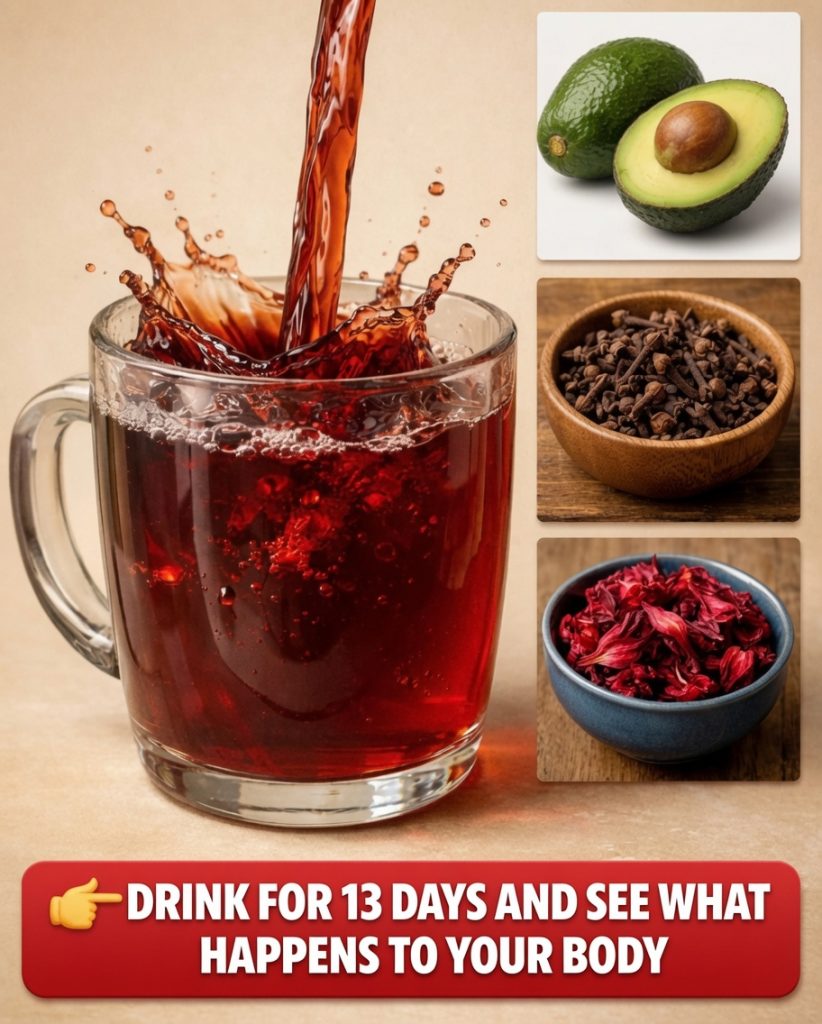
Avocado Seed, Hibiscus, and Clove Tea: A Traditional Herbal Recipe and What Science Really Says
Have you ever wondered whether something you normally throw away could have surprising nutritional value?
The avocado seed has become increasingly popular in natural wellness circles, where it is often combined with hibiscus flowers and cloves to create a warm herbal infusion.
While social media frequently promotes this drink with extraordinary claims, it’s important to separate traditional use from scientific evidence. No herbal tea has been proven to cure cancer, diabetes, high blood pressure, or any other serious medical condition.
However, the ingredients in this recipe do contain naturally occurring plant compounds that may support overall wellness when enjoyed as part of a healthy lifestyle.
Let’s explore what this traditional drink contains, its potential benefits, how to prepare it safely, and the precautions you should know.
Why Has Avocado Seed Become So Popular?
Although most people enjoy the creamy flesh of an avocado, the large seed is usually discarded.
Researchers have found that avocado seeds contain several naturally occurring compounds, including:
- Polyphenols
- Dietary fiber
- Antioxidants
- Phenolic compounds
These substances have attracted scientific interest because of their antioxidant activity, although research in humans remains limited.
For this reason, avocado seed should be viewed as an interesting traditional ingredient—not as a proven treatment for disease.
The Benefits of Hibiscus
Hibiscus flowers have been enjoyed for centuries in herbal teas around the world.
They naturally contain:
- Anthocyanins
- Polyphenols
- Vitamin C
- Antioxidants
Some research suggests that hibiscus tea may support:
- Healthy blood pressure already within the normal range
- Cardiovascular wellness
- Hydration
- Protection against oxidative stress
Because hibiscus may lower blood pressure in some individuals, people taking blood pressure medications should consult their healthcare provider before consuming it regularly.
Why Add Cloves?
Cloves are rich in eugenol, a natural compound known for its antioxidant properties.
Traditionally, cloves have been used to support:
- Digestive comfort
- Oral health
- Flavor and aroma in herbal drinks
- Overall antioxidant intake
A small amount adds warmth and depth to the tea while contributing beneficial plant compounds.
Potential Benefits of This Herbal Tea
Although this beverage should not be viewed as a medical treatment, its ingredients may provide several wellness-supporting properties.
1. Rich in Antioxidants
Avocado seed, hibiscus, and cloves all contain antioxidants that help protect cells from oxidative stress caused by free radicals.
A diet rich in antioxidants has been associated with healthy aging and overall wellness.
2. Supports Healthy Digestion
Traditional herbal practices often use cloves and hibiscus to promote digestive comfort.
Some people enjoy this tea after meals because it may help support normal digestion.
3. May Support Cardiovascular Health
Hibiscus has been the subject of numerous studies exploring its potential role in supporting heart health.
Combined with a balanced diet and regular exercise, it may be part of a heart-friendly lifestyle.
4. Helps Maintain Hydration
Replacing sugary beverages with unsweetened herbal tea can help increase daily fluid intake while reducing added sugar consumption.
5. Provides Natural Plant Compounds
Each ingredient contributes unique phytochemicals that may complement an overall healthy eating pattern.
No single ingredient is a cure-all, but a varied diet rich in plant foods offers many long-term health benefits.
Traditional Avocado Seed Herbal Tea Recipe
Ingredients
- 1 grated avocado seed
- 1 small handful of dried hibiscus flowers
- 4–5 whole cloves
- 3 cups (720 ml) water
Instructions
- Wash the avocado seed thoroughly.
- Grate it carefully using a fine grater.
- Place the grated seed, hibiscus flowers, and cloves into a saucepan.
- Add the water.
- Bring to a gentle boil.
- Simmer for about 15 minutes.
- Strain before serving.
Enjoy warm.
How to Enjoy This Tea
Many people choose to drink:
- One cup in the morning
- Or one cup during the afternoon or evening
There is no scientific evidence supporting a specific schedule or fixed number of consecutive days for consuming this beverage.
As with most herbal teas, moderation is recommended.
Important Safety Considerations
Although the ingredients are natural, “natural” does not always mean risk-free.
Keep these precautions in mind:
- Avocado seed has not been extensively studied for long-term human consumption.
- Avoid excessive intake.
- Pregnant or breastfeeding individuals should consult their healthcare provider before using herbal preparations.
- People taking medications for diabetes, blood pressure, or blood clotting should seek medical advice before drinking hibiscus tea regularly.
- Stop using the tea if you experience any adverse reactions.
Healthy Habits That Offer Greater Benefits
No tea can replace proven healthy lifestyle practices.
For better long-term wellness, combine herbal beverages with:
- A balanced diet rich in vegetables and fruits
- Regular physical activity
- Adequate sleep
- Good hydration
- Stress management
- Routine medical checkups
- Following prescribed medical treatments
These habits have much stronger scientific support than relying on any single herbal remedy.
Final Thoughts
Avocado seed tea with hibiscus and cloves is an interesting traditional beverage that combines several antioxidant-rich plant ingredients into one comforting herbal drink.
While it may contribute to hydration and provide beneficial plant compounds, it should not be considered a cure or treatment for cancer, diabetes, high blood pressure, fatty liver disease, or poor circulation. Current scientific evidence does not support those claims.
If you enjoy exploring traditional herbal recipes, this tea can be a flavorful addition to a healthy lifestyle—provided it is consumed in moderation and with realistic expectations.
Medical Disclaimer: This article is intended for educational purposes only and does not replace professional medical advice, diagnosis, or treatment. Always consult a qualified healthcare professional before using herbal remedies, especially if you have a medical condition or take prescription medications.