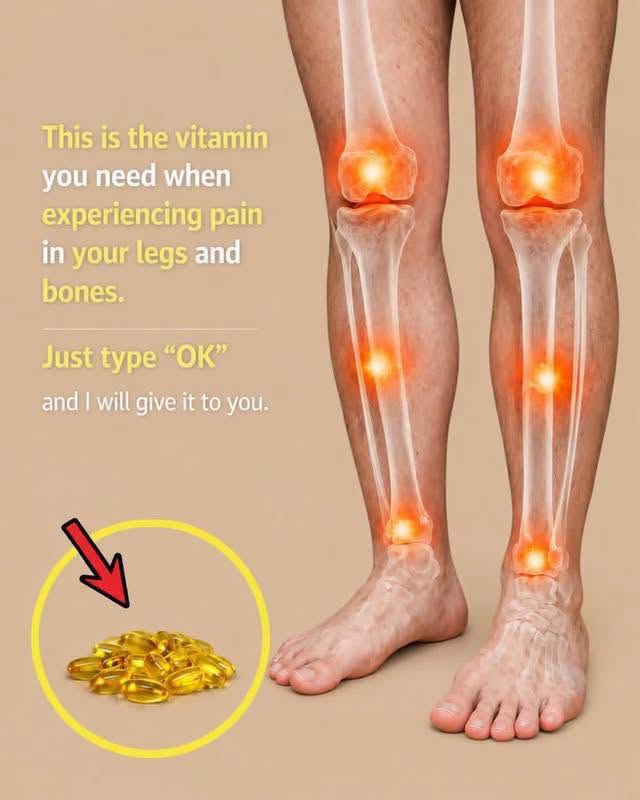
Joint health is the foundation of an active, pain-free life. Whether you’re an athlete, a busy professional, or simply looking to maintain mobility as you age, protecting your joints should be a top priority. One nutrient stands out above the rest when it comes to supporting strong bones, flexible joints, and overall movement: Vitamin D.
This essential vitamin plays a crucial role in maintaining bone density, reducing inflammation, and supporting muscle function. In this guide, you’ll discover the benefits of vitamin D for joint health, the best natural sources, how to use it effectively, and practical tips to keep your joints healthy for years to come.
Why Joint Health Matters
Your joints are complex structures made up of bones, cartilage, ligaments, tendons, and synovial fluid. They allow your body to move freely and absorb the impact of daily activities.
When joints don’t receive proper nutrition and support, common issues may develop, including:
- Joint stiffness
- Chronic inflammation
- Reduced flexibility
- Muscle weakness
- Mobility limitations
- Increased risk of injury
Maintaining healthy joints requires a combination of proper nutrition, regular exercise, hydration, and healthy lifestyle habits.
Why Vitamin D Is Essential for Joint Health
Vitamin D is often called the “sunshine vitamin,” but its benefits extend far beyond bone health. It functions more like a hormone than a traditional vitamin, influencing numerous processes throughout the body.
One of its most important functions is helping the body absorb calcium efficiently, which is necessary for strong bones and stable joints.
Key Benefits of Vitamin D for Joints
1. Supports Strong Bones
Vitamin D improves calcium absorption, helping maintain bone density and reducing the risk of fractures.
2. Reduces Joint Inflammation
Research suggests that adequate vitamin D levels may help regulate inflammatory responses associated with joint discomfort.
3. Enhances Muscle Strength
Strong muscles provide support for joints, reducing stress on knees, hips, shoulders, and other weight-bearing areas.
4. Improves Mobility and Flexibility
People with sufficient vitamin D levels often experience better movement and less stiffness.
5. Helps Protect Against Joint Degeneration
Long-term vitamin D support may contribute to healthier joints as part of an overall wellness strategy.
Common Signs of Vitamin D Deficiency
Vitamin D deficiency is surprisingly common worldwide. Modern lifestyles often limit sun exposure, making it difficult to maintain optimal levels.
Symptoms of Low Vitamin D May Include:
- Persistent joint pain
- Bone discomfort
- Muscle weakness
- Chronic fatigue
- Reduced mobility
- Increased fracture risk
- Frequent illness
Recognizing these signs early can help prevent future health complications.
Best Natural Sources of Vitamin D
1. Sunlight Exposure
Sunlight is the body’s most natural source of vitamin D.
Recommended exposure:
10–20 minutes of direct sunlight several times per week may help maintain healthy vitamin D levels, depending on skin type, season, and location.
2. Vitamin D-Rich Foods
Add these foods to your diet regularly:
- Salmon
- Mackerel
- Sardines
- Tuna
- Egg yolks
- Beef liver
- Fortified milk
- Fortified yogurt
- Fortified cereals
3. Vitamin D Supplements
When dietary intake and sun exposure are insufficient, supplements may help maintain adequate levels.
Always consult a healthcare professional before starting supplementation, especially if you have existing medical conditions.
Other Nutrients That Support Joint Health
Vitamin D works best when combined with other essential nutrients.
| Nutrient | Benefit for Joints |
|---|---|
| Vitamin C | Supports collagen production |
| Vitamin K | Helps regulate calcium utilization |
| Vitamin E | Protects joint tissues from oxidative stress |
| Omega-3 Fatty Acids | Helps manage inflammation |
| Magnesium | Supports bone and muscle function |
| Calcium | Essential for strong bones |
A balanced diet containing these nutrients provides comprehensive joint support.
Healthy Habits for Stronger Joints
Nutrition is only one piece of the puzzle. To maximize the benefits of vitamin D, consider adopting these healthy habits:
Stay Physically Active
Low-impact exercises such as:
- Walking
- Swimming
- Yoga
- Cycling
- Stretching
can help maintain flexibility and joint strength.
Maintain a Healthy Weight
Excess body weight places additional pressure on the joints, particularly the knees and hips.
Stay Hydrated
Proper hydration helps lubricate joints and supports overall body function.
Follow an Anti-Inflammatory Diet
Focus on:
- Fruits
- Vegetables
- Healthy fats
- Lean proteins
- Whole grains
while reducing highly processed foods.
Avoid Smoking and Excessive Alcohol
These habits may contribute to inflammation and negatively impact bone health.
Precautions When Using Vitamin D
Although vitamin D is essential, more is not always better.
Important Safety Tips:
- Follow recommended dosages.
- Avoid excessive supplementation.
- Consider periodic blood testing.
- Consult a healthcare provider before beginning high-dose supplementation.
Too much vitamin D can lead to elevated calcium levels and other health concerns.
Frequently Asked Questions
Can vitamin D help with joint pain?
Vitamin D may support joint comfort by helping reduce inflammation and strengthening bones and muscles. However, it is not a cure for underlying joint conditions.
How much vitamin D do adults need daily?
Daily requirements vary based on age, health status, and individual needs. Consult a healthcare provider for personalized recommendations.
What is the fastest way to increase vitamin D levels?
A combination of safe sun exposure, vitamin D-rich foods, and supplements (if needed) is generally the most effective approach.
Can I get enough vitamin D from food alone?
While possible, many people struggle to meet their needs through diet alone, especially those with limited sun exposure.
Final Thoughts
Vitamin D plays a vital role in maintaining healthy joints, strong bones, and optimal mobility. By ensuring adequate levels through sunlight, nutrient-rich foods, and healthy lifestyle habits, you can support long-term joint function and overall well-being.
Taking care of your joints today can help you stay active, flexible, and independent for years to come. Small daily habits often make the biggest difference when it comes to lifelong joint health.
Disclaimer: This article is for educational purposes only and does not replace professional medical advice, diagnosis, or treatment. Always consult a qualified healthcare professional regarding any health concerns or before making significant changes to your diet or supplement routine.