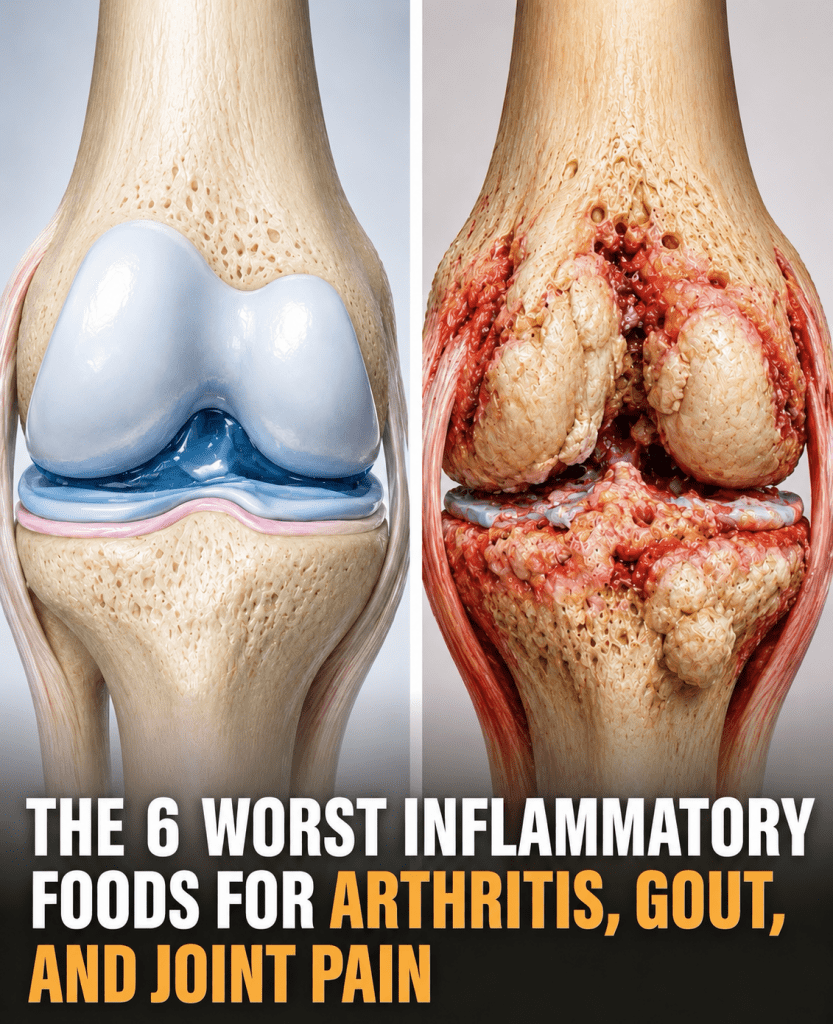
Joint pain affects millions of people worldwide. Whether caused by arthritis, gout, aging, or an active lifestyle, persistent inflammation can make everyday activities more difficult. While medical treatment plays a vital role in managing these conditions, your daily diet may also influence how your joints feel.
Some foods are known to promote inflammation or increase uric acid levels, potentially worsening symptoms in susceptible individuals. On the other hand, replacing these foods with nutrient-rich alternatives may help support overall joint health.
In this guide, you’ll discover six foods that may contribute to inflammation, why they affect the body, and healthier options that can become part of a balanced lifestyle.
Understanding Inflammation and Joint Health
Inflammation is the body’s natural response to injury or infection. Short-term inflammation helps healing, but when it becomes chronic, it may contribute to long-term health issues, including joint discomfort.
Conditions such as osteoarthritis, rheumatoid arthritis, and gout involve different mechanisms, but all can be influenced by factors like body weight, physical activity, and dietary habits.
Although no single food causes or cures these conditions, limiting certain foods may help some people manage symptoms more effectively.
1. Sugary Drinks and Sweetened Beverages
Soft drinks, sweetened teas, energy drinks, and flavored juices often contain large amounts of added sugar, particularly high-fructose corn syrup.
Why they may be a problem
Excess sugar intake has been linked to:
- Increased inflammatory markers
- Weight gain
- Higher risk of insulin resistance
- Elevated uric acid production
High-fructose beverages are especially concerning for individuals prone to gout because fructose metabolism may increase uric acid levels.
Better alternatives
- Water with lemon
- Sparkling water
- Unsweetened herbal tea
- Infused water with cucumber or mint
2. Processed Meats
Foods such as bacon, sausages, hot dogs, salami, and deli meats are often high in sodium, saturated fat, and preservatives.
Why they may contribute to inflammation
Regular consumption has been associated with:
- Increased oxidative stress
- Higher intake of inflammatory compounds
- Greater cardiovascular risk
Some processed meats also contain advanced glycation end products (AGEs), which may contribute to inflammation when consumed in excess.
Better alternatives
Choose lean protein sources such as:
- Skinless chicken
- Turkey
- Fish
- Beans
- Lentils
- Tofu
3. Fried Foods
French fries, fried chicken, doughnuts, and deep-fried snacks may taste delicious, but frequent consumption can increase inflammatory compounds in the body.
Potential concerns
Deep frying creates substances that may promote oxidative stress, including AGEs.
These foods are also often high in:
- Trans fats
- Refined oils
- Excess calories
Over time, excessive intake may contribute to obesity, a major risk factor for joint problems.
Better alternatives
Try:
- Air-fried vegetables
- Baked potatoes
- Roasted chickpeas
- Oven-baked chicken
4. Refined Carbohydrates
White bread, pastries, cakes, cookies, crackers, and many breakfast cereals contain refined flour that has been stripped of much of its natural fiber.
Why they matter
These foods can cause rapid spikes in blood sugar, potentially increasing inflammatory responses over time.
Replacing refined grains with whole grains may help support better metabolic health.
Better alternatives
Choose:
- Oats
- Brown rice
- Whole-grain bread
- Quinoa
- Barley
5. Alcohol
Alcohol affects people differently, but excessive intake has been linked to several inflammatory conditions.
How it may affect joints
Heavy drinking may:
- Increase uric acid levels
- Trigger gout attacks
- Promote dehydration
- Interfere with recovery
Beer appears particularly problematic for many individuals with gout because it contains purines that may contribute to elevated uric acid.
Better alternatives
Moderation is key.
Healthier beverage choices include:
- Water
- Herbal teas
- Unsweetened iced tea
- Sparkling water with citrus
6. Highly Processed Snack Foods
Many packaged snack foods combine refined carbohydrates, unhealthy fats, sodium, and added sugars.
Examples include:
- Potato chips
- Cheese-flavored snacks
- Instant noodles
- Packaged pastries
- Fast-food snacks
Why they deserve attention
These foods often provide large amounts of calories with relatively few nutrients while contributing to excess sodium and unhealthy fat intake.
Frequent consumption may support chronic inflammation indirectly through weight gain and poor dietary quality.
Better alternatives
Healthy snack ideas include:
- Mixed nuts
- Pumpkin seeds
- Fresh fruit
- Greek yogurt
- Hummus with vegetables
Foods That May Support Joint Health
Instead of focusing only on foods to avoid, consider adding more nutrient-dense options to your meals.
Fatty Fish
Salmon, sardines, trout, and mackerel provide omega-3 fatty acids that may help support normal inflammatory balance.
Colorful Fruits
Berries, cherries, oranges, and grapes supply antioxidants that help protect cells from oxidative stress.
Leafy Greens
Spinach, kale, broccoli, and Swiss chard contain vitamins, minerals, and plant compounds that contribute to overall health.
Olive Oil
Extra virgin olive oil contains beneficial polyphenols and healthy monounsaturated fats that fit well within an anti-inflammatory eating pattern.
Nuts and Seeds
Walnuts, flaxseeds, chia seeds, and almonds provide healthy fats, fiber, and essential nutrients.
Lifestyle Habits That Complement a Joint-Friendly Diet
Healthy eating works best alongside other positive habits.
Consider these simple strategies:
- Maintain a healthy body weight.
- Stay physically active with low-impact exercise.
- Drink enough water throughout the day.
- Get adequate sleep each night.
- Manage stress through relaxation techniques.
- Avoid smoking.
Small, consistent changes often have a greater long-term impact than drastic short-term diets.
Frequently Asked Questions
Can changing my diet cure arthritis?
No. Arthritis has many causes, and diet alone cannot cure it. However, healthy eating may help support overall wellness and reduce factors associated with inflammation.
Are tomatoes bad for arthritis?
There is no strong scientific evidence showing that tomatoes worsen arthritis for most people. Individual sensitivities can vary.
Is coffee inflammatory?
Moderate coffee consumption is generally not considered inflammatory for most healthy adults. Some studies even suggest it contains beneficial antioxidants.
What foods should people with gout limit?
People with gout are often advised to limit foods high in purines, such as organ meats, certain seafood, and excessive alcohol, particularly beer. Following guidance from a healthcare professional is recommended.
Final Thoughts
While no single food causes or cures arthritis, gout, or chronic joint pain, your daily eating habits can influence your overall health and inflammatory balance.
Reducing sugary drinks, processed meats, fried foods, refined carbohydrates, alcohol, and heavily processed snacks may help support healthier joints when combined with regular physical activity, good sleep, hydration, and appropriate medical care.
Focus on building a balanced diet filled with vegetables, fruits, whole grains, healthy fats, and lean proteins. Over time, these sustainable choices can contribute to improved well-being and support an active lifestyle.
Medical Disclaimer: This article is intended for educational purposes only and should not be considered medical advice. If you have arthritis, gout, persistent joint pain, or any chronic health condition, consult a qualified healthcare professional before making significant dietary or lifestyle changes.