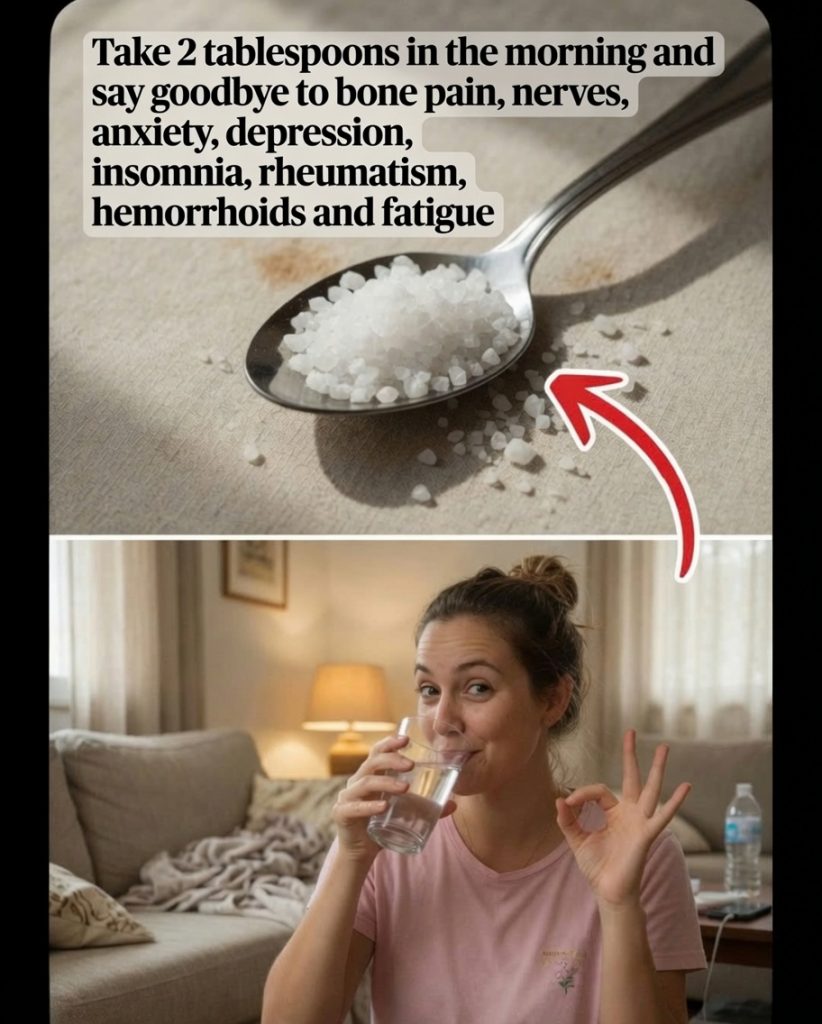
Many adults over 50 experience nighttime challenges such as muscle cramps, dry mouth, restless sleep, or waking up feeling stiff in the morning. Because of this, simple wellness habits have gained attention, including drinking a small glass of warm water with a pinch of mineral-rich salt before bed.
Supporters of this practice believe it may help maintain hydration and electrolyte balance overnight. However, it’s important to separate traditional wellness practices from claims that are not supported by scientific evidence.
This article explains what mineral salt contains, what research says about hydration and electrolytes, who should avoid this habit, and safer ways to support restful sleep.
Why Electrolytes Matter
Electrolytes are minerals that help regulate many essential functions throughout the body, including:
- Muscle contraction
- Nerve signaling
- Fluid balance
- Heart function
The major electrolytes include:
- Sodium
- Potassium
- Magnesium
- Calcium
Maintaining healthy electrolyte levels is important, particularly during illness, intense exercise, or heavy sweating.
For most healthy people, however, these minerals are best obtained through a balanced diet.
What Is Mineral Salt?
Unlike highly refined table salt, mineral salts such as sea salt and Himalayan pink salt contain small amounts of naturally occurring minerals.
These may include trace amounts of:
- Potassium
- Magnesium
- Calcium
- Zinc
However, it’s important to understand that both mineral salt and table salt are composed primarily of sodium chloride. The additional minerals are present only in very small quantities and should not be considered a major source of nutrition.
Does Drinking Salt Water Before Bed Improve Sleep?
Currently, there is no strong scientific evidence showing that drinking salt water before bed directly improves sleep quality, reduces joint stiffness, or prevents nighttime muscle cramps in healthy adults.
That said, some people report feeling better after drinking warm water before bedtime, particularly if they were mildly dehydrated.
Warm water itself may promote relaxation as part of a calming evening routine.
When Electrolytes May Be Helpful
Electrolyte replacement may be appropriate in situations such as:
- Heavy sweating during exercise
- Hot weather
- Vomiting or diarrhea
- Certain medical conditions that affect fluid balance
In these situations, healthcare professionals often recommend balanced electrolyte solutions rather than homemade salt water.
A Simple Warm Water Routine
If you enjoy warm beverages before bed, plain warm water can be a comforting choice.
Some people choose to add:
- A squeeze of fresh lemon
- Herbal tea
- Caffeine-free herbal infusions
These options provide flavor without significantly increasing sodium intake.
If You Choose to Use Mineral Salt
If your healthcare provider has advised that modest sodium intake is appropriate and you still wish to try this traditional practice, moderation is essential.
Some people use:
- 1 cup (200 mL) warm water
- A very small pinch of mineral salt
This should never replace medical advice or treatment for sleep disorders, muscle cramps, or joint pain.
Healthy Habits That May Improve Sleep Naturally
Research consistently supports several lifestyle habits that promote better sleep.
1. Stay Hydrated Throughout the Day
Rather than drinking large amounts immediately before bed, maintain adequate hydration throughout the day.
2. Create a Consistent Sleep Schedule
Going to bed and waking up at the same time each day helps regulate your body’s internal clock.
3. Limit Screen Time Before Bed
Reducing exposure to bright screens during the hour before sleep may help support natural melatonin production.
4. Stay Physically Active
Regular exercise supports better sleep quality, though vigorous workouts are generally best completed earlier in the day.
5. Eat a Balanced Diet
Foods rich in magnesium, potassium, and calcium—including leafy greens, nuts, seeds, beans, dairy products, and fruits—naturally support normal muscle and nerve function.
Foods Rich in Important Minerals
| Nutrient | Good Food Sources |
|---|---|
| Magnesium | Almonds, pumpkin seeds, spinach |
| Potassium | Bananas, potatoes, beans |
| Calcium | Yogurt, milk, leafy greens |
| Sodium | Naturally present in many foods and table salt |
Obtaining these nutrients through food is generally preferable to relying on supplements or homemade remedies unless advised otherwise by a healthcare professional.
Who Should Avoid Drinking Salt Water?
Adding extra sodium is not appropriate for everyone.
Talk with your healthcare provider before trying this habit if you have:
- High blood pressure
- Heart disease
- Kidney disease
- Liver disease
- Swelling caused by fluid retention
- A sodium-restricted diet
You should also seek medical advice if you take:
- Diuretics
- Blood pressure medications
- Heart medications
- Certain kidney medications
Too much sodium can worsen some medical conditions.
Frequently Asked Questions
Is Himalayan salt healthier than table salt?
Himalayan salt contains trace minerals, but nutritionally it is still mostly sodium chloride. The differences are relatively small.
Can salt water prevent muscle cramps?
Muscle cramps have many possible causes, including dehydration, overuse, certain medications, nerve conditions, and mineral imbalances. Salt water has not been proven to prevent cramps in most healthy adults.
Can I drink warm water every night?
Yes. Plain warm water is generally safe for most healthy people and may be a relaxing part of a bedtime routine.
Safety Tips
- Do not consume excessive amounts of salt.
- Follow your healthcare provider’s dietary advice.
- Stay hydrated throughout the day rather than relying on nighttime remedies.
- Seek medical evaluation for persistent muscle cramps, joint pain, or sleep problems.
These symptoms may indicate underlying health conditions that require professional care.
Final Thoughts
Drinking warm water before bed can be a soothing ritual, and some people enjoy adding a very small pinch of mineral salt as part of traditional wellness practices. However, current scientific evidence does not support claims that salt water can improve sleep, regenerate joints, or relieve chronic pain.
The most effective long-term strategies for better sleep and comfortable movement remain consistent: staying hydrated, eating a balanced diet, remaining physically active, managing stress, and working with your healthcare provider when symptoms persist.
Small daily habits can make a meaningful difference—but they work best when they are supported by sound nutrition and evidence-based care.