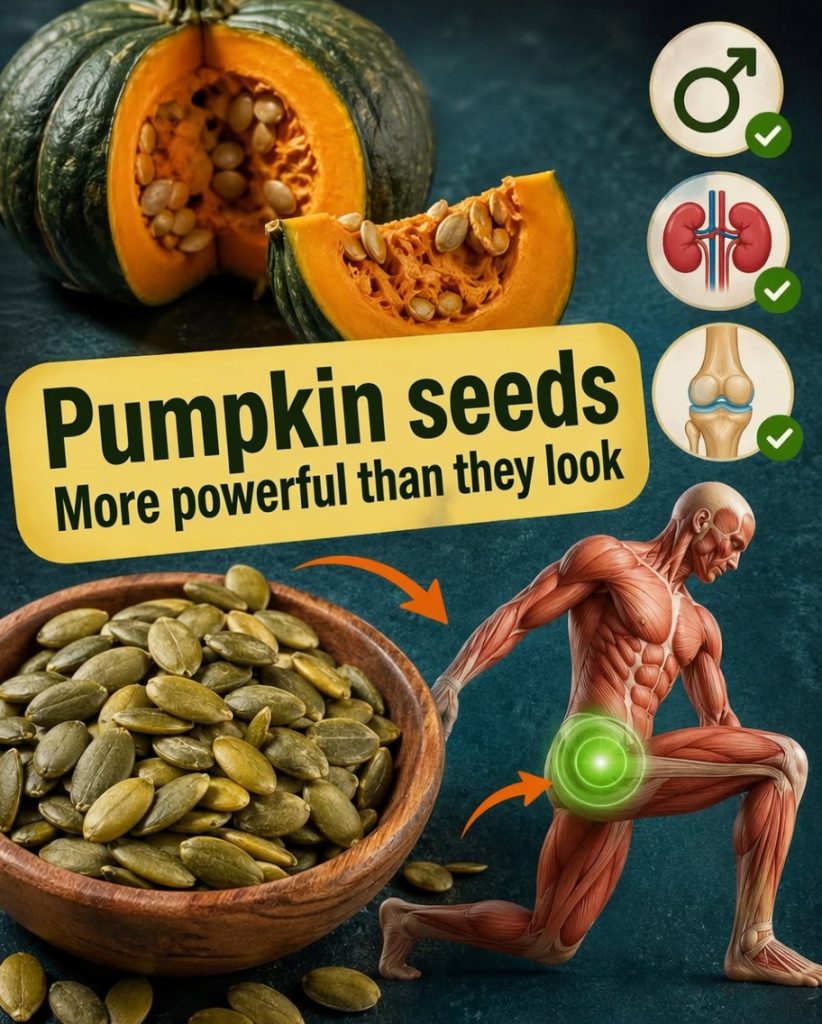
Pumpkin Seeds Benefits: What Happens When You Eat Pumpkin Seeds Every Day?
Pumpkin Seeds: A Tiny Superfood Packed with Nutrition
Pumpkin seeds, also known as pepitas, may be small, but they are packed with nutrients that can make a valuable addition to a healthy diet. Rich in plant protein, healthy fats, dietary fiber, magnesium, zinc, iron, and antioxidants, these crunchy seeds have become a favorite among nutrition-conscious people worldwide.
Whether sprinkled over salads, blended into smoothies, or enjoyed as a simple snack, pumpkin seeds provide an easy way to increase your daily intake of essential nutrients.
Although no single food can prevent or cure disease, regularly including pumpkin seeds as part of a balanced eating pattern may help support overall wellness.
Disclaimer: This article is intended for educational purposes only and should not replace professional medical advice, diagnosis, or treatment.
Nutritional Value of Pumpkin Seeds
A serving of pumpkin seeds contains a wide variety of beneficial nutrients, including:
- Plant-based protein
- Healthy unsaturated fats
- Dietary fiber
- Magnesium
- Zinc
- Iron
- Phosphorus
- Potassium
- Copper
- Manganese
- Vitamin E
- Natural antioxidants
These nutrients work together to support many normal functions throughout the body.
10 Potential Benefits of Eating Pumpkin Seeds Daily
1. Support Heart Health
Pumpkin seeds contain unsaturated fats, magnesium, and antioxidants that contribute to a heart-friendly eating pattern.
A diet rich in nuts and seeds has been associated with improved cardiovascular health when combined with other healthy lifestyle habits.
2. Provide Plant-Based Protein
Protein is essential for maintaining muscles, repairing tissues, and supporting many body functions.
Pumpkin seeds are an excellent protein source for vegetarians and anyone looking to diversify their protein intake.
3. Help You Feel Fuller Longer
The combination of protein, healthy fats, and fiber may increase feelings of fullness after meals.
Including pumpkin seeds in snacks or breakfasts may help reduce unnecessary between-meal hunger.
4. Support Normal Immune Function
Pumpkin seeds are naturally rich in zinc, an essential mineral involved in normal immune function and wound healing.
Adequate zinc intake is important for overall health.
5. Contribute to Bone Health
Magnesium and phosphorus both play important roles in maintaining healthy bones.
Many adults consume less magnesium than recommended, making magnesium-rich foods valuable additions to the diet.
6. Promote Healthy Digestion
Whole pumpkin seeds provide dietary fiber that supports regular bowel movements and contributes to a healthy digestive system.
Increasing fiber intake should always be accompanied by adequate water consumption.
7. Support Healthy Sleep
Pumpkin seeds naturally contain magnesium and small amounts of tryptophan, nutrients involved in normal nervous system function and sleep regulation.
While they are not a treatment for insomnia, they can be part of an overall sleep-friendly diet.
8. Supply Natural Antioxidants
Vitamin E and other plant compounds found in pumpkin seeds help protect cells from oxidative stress.
Antioxidants are widely recognized as part of a healthy eating pattern.
9. Add Important Minerals to Your Diet
Pumpkin seeds provide several minerals that many people struggle to consume in adequate amounts, including:
- Magnesium
- Iron
- Zinc
- Copper
- Manganese
These nutrients support energy metabolism and many everyday body functions.
10. Make Healthy Eating More Enjoyable
One of the greatest advantages of pumpkin seeds is their versatility.
They add crunch, flavor, and nutrition without requiring complicated preparation.
Easy Ways to Eat Pumpkin Seeds Every Day
Roasted Pumpkin Seeds
Lightly roast raw pumpkin seeds in the oven with:
- 1 teaspoon olive oil
- A pinch of sea salt
- Paprika
- Garlic powder
- Black pepper
Bake at 325°F (160°C) for 15–20 minutes, stirring halfway through.
Pumpkin Seed Smoothie
Blend together:
- 1 tablespoon pumpkin seeds
- 1 banana
- 1 cup unsweetened milk or plant milk
- ½ cup Greek yogurt
- Cinnamon
- Ice cubes
This makes a nutritious breakfast or post-workout snack.
Homemade Pumpkin Seed Trail Mix
Mix pumpkin seeds with:
- Almonds
- Walnuts
- Sunflower seeds
- Unsweetened dried cranberries
- Unsweetened coconut flakes
Store in an airtight container for convenient snacking.
Sprinkle Over Meals
Pumpkin seeds can be added to:
- Oatmeal
- Yogurt
- Smoothie bowls
- Salads
- Soups
- Grain bowls
- Roasted vegetables
How Much Should You Eat?
Most nutrition experts recommend about:
1–2 tablespoons (15–30 grams) per day
This amount provides valuable nutrients while fitting comfortably into a balanced diet.
Choosing the Best Pumpkin Seeds
For maximum nutrition:
- Choose raw or dry-roasted varieties.
- Avoid heavily salted options.
- Read ingredient labels carefully.
- Store in airtight containers.
- Refrigerate after opening for longer freshness.
Are There Any Side Effects?
Pumpkin seeds are safe for most healthy adults, but a few precautions are worth noting.
Eating large amounts may cause digestive discomfort because of their fiber content.
People with seed allergies should avoid them.
Individuals following medically prescribed diets should consult a healthcare professional before making significant dietary changes.
Frequently Asked Questions
Can I eat pumpkin seeds every day?
Yes. For most healthy adults, moderate daily consumption can be part of a balanced diet.
Are roasted pumpkin seeds healthy?
Yes. Dry roasting preserves much of their nutritional value. Avoid excessive salt or added sugar.
Can pumpkin seeds help with weight management?
Because they contain protein, healthy fats, and fiber, pumpkin seeds may increase fullness when included as part of an overall calorie-balanced diet.
Should I eat them with or without the shell?
Both options are nutritious. Shelled pumpkin seeds (pepitas) are easier to chew, while whole seeds provide additional fiber.
Final Thoughts
Pumpkin seeds are a simple, affordable, and nutrient-dense food that fits easily into many eating patterns. Their combination of protein, healthy fats, fiber, vitamins, minerals, and antioxidants makes them a smart addition to breakfast, snacks, salads, and homemade recipes.
Rather than relying on any single “superfood,” focus on a varied diet rich in fruits, vegetables, whole grains, legumes, nuts, seeds, and lean protein. Combined with regular physical activity, adequate sleep, and routine medical care, these everyday habits offer the strongest foundation for long-term health.
Adding one or two tablespoons of pumpkin seeds to your daily routine is an easy step toward increasing your intake of valuable nutrients while enjoying a delicious, satisfying snack.