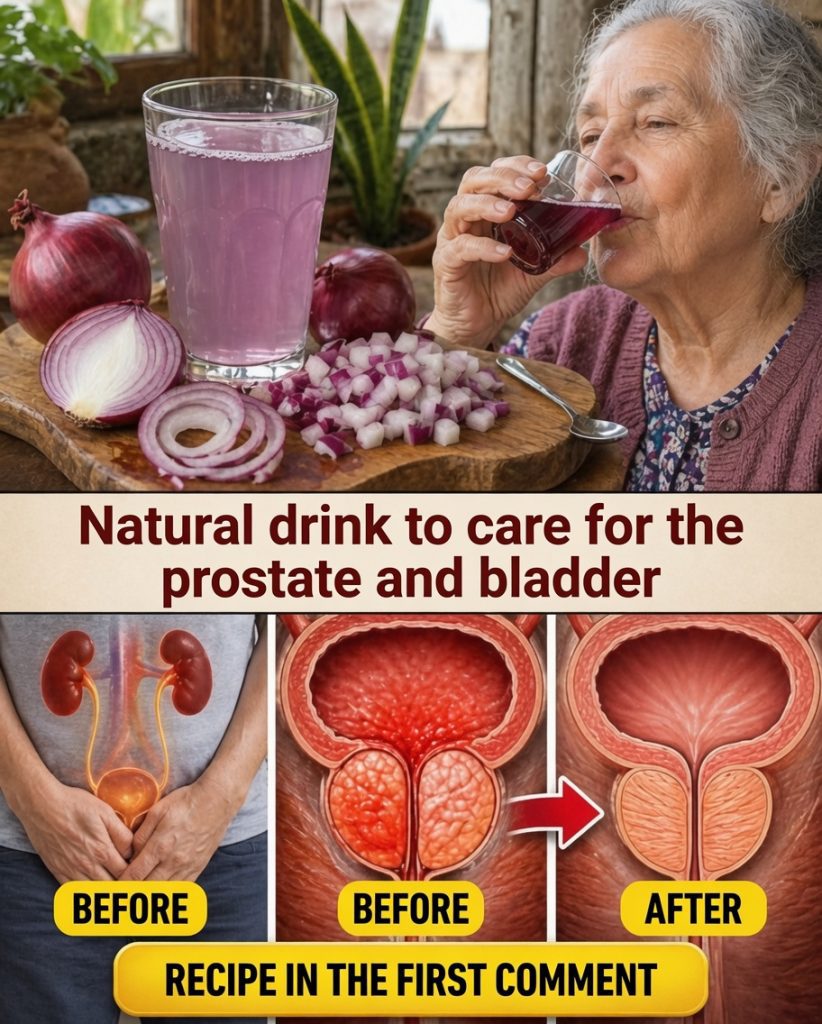
Maintaining urinary and prostate health becomes increasingly important as men get older. While there is no single food or home remedy that can prevent or treat prostate disease, a balanced diet rich in fruits, vegetables, whole grains, and antioxidant-containing foods plays an important role in overall wellness.
One traditional kitchen ingredient that has gained attention is the onion, including its outer peel. Although onion peels are usually discarded, they contain naturally occurring plant compounds that have been studied for their antioxidant properties.
This article explores the nutritional value of onions and several traditional recipes that can be enjoyed as part of a healthy lifestyle—while keeping realistic expectations about what they can and cannot do.
Why Nutrition Matters for Prostate Health
The prostate is a small gland that plays an important role in the male reproductive system.
As men age, it is common to experience changes in urinary habits, including:
- More frequent urination
- Getting up at night to urinate
- A weaker urine stream
- Difficulty emptying the bladder completely
These symptoms can have many different causes and should always be evaluated by a healthcare professional.
Healthy eating supports overall wellness, including urinary health, but it does not replace medical evaluation or treatment.
The Nutritional Value of Onions
Onions (Allium cepa) are rich in naturally occurring compounds such as:
- Quercetin
- Vitamin C
- Sulfur-containing compounds
- Dietary fiber
- Antioxidants
These nutrients contribute to a balanced diet and have been widely studied for their role in protecting cells from oxidative stress.
Why Are Onion Peels Sometimes Used?
The dry outer layers of onions contain higher concentrations of certain antioxidant compounds, especially quercetin.
In some traditional food cultures, onion peels are used to flavor broths, soups, and herbal infusions before being removed.
Although they contain beneficial plant compounds, there is no evidence that onion peel tea treats prostate enlargement, urinary infections, or other prostate conditions.
Traditional Onion Peel Tea
Ingredients
- 2 tablespoons clean, dry onion peels
- 1 cup water
Directions
- Wash the onion peels thoroughly.
- Bring the water to a boil.
- Add the onion peels.
- Simmer for about 5 minutes.
- Remove from the heat.
- Strain before drinking.
This mild infusion is sometimes enjoyed as a warm herbal beverage.
Watermelon and Onion Smoothie
This refreshing combination provides vitamins, hydration, and natural plant compounds.
Ingredients
- ½ red onion
- 1 cup fresh watermelon
- Water as needed
Directions
- Blend all ingredients until smooth.
- Serve immediately.
Because onions have a strong flavor, many people prefer using only a small amount.
Pomegranate Peel Tea
Pomegranate peels have traditionally been used in herbal preparations.
Ingredients
- 1 tablespoon dried pomegranate peel
- 1 cup hot water
Directions
- Add the dried peel to boiling water.
- Steep for about 10 minutes.
- Strain before drinking.
Scientific evidence supporting medicinal effects in humans remains limited, so this tea should be enjoyed as a traditional beverage rather than a treatment.
Onion-Infused Water
A simple infusion sometimes prepared in home kitchens.
Ingredients
- 1 medium onion
- 1 liter water
Directions
- Slice the onion.
- Place it in a container with water.
- Refrigerate overnight.
- Strain before drinking if desired.
This preparation offers a mild onion flavor and can be part of a varied diet.
Foods That Support Overall Prostate Wellness
Research consistently supports a healthy eating pattern rather than a single “superfood.”
Consider including:
- Tomatoes
- Leafy green vegetables
- Berries
- Citrus fruits
- Whole grains
- Legumes
- Nuts
- Seeds
- Fatty fish rich in omega-3 fatty acids
These foods provide vitamins, minerals, fiber, and antioxidants that contribute to overall health.
Healthy Habits for Urinary and Prostate Health
Along with good nutrition, consider these daily habits:
Stay Hydrated
Adequate fluid intake supports normal urinary function.
Stay Physically Active
Regular exercise contributes to overall health and healthy aging.
Maintain a Healthy Weight
Healthy body weight is associated with better overall wellness.
Limit Alcohol and Excessive Caffeine
These beverages may irritate the bladder in some individuals.
Schedule Regular Medical Checkups
Routine health examinations become increasingly important with age.
Early evaluation of urinary symptoms allows appropriate diagnosis and treatment.
Safety Considerations
Although onions are common foods, keep these points in mind:
- Some people experience digestive discomfort after eating onions.
- Herbal preparations should not replace prescribed medications.
- Individuals with persistent urinary symptoms should seek medical evaluation rather than relying on home remedies.
Frequently Asked Questions
Can onion peel tea treat an enlarged prostate?
No. There is no reliable scientific evidence that onion peel tea treats benign prostatic hyperplasia (BPH) or other prostate diseases.
Is onion good for overall health?
Yes. Onions provide antioxidants, fiber, and beneficial plant compounds that fit well within a balanced diet.
Can these recipes replace medical treatment?
No. Homemade recipes should complement a healthy lifestyle, not replace medical diagnosis or treatment.
Final Thoughts
Onions and their peels have long been appreciated in traditional cooking and home remedies, largely because they contain naturally occurring antioxidants and flavorful plant compounds. While these ingredients do not treat prostate conditions or urinary diseases, they can be incorporated into a nutritious eating pattern that supports overall health.
The best approach to long-term prostate and urinary wellness combines balanced nutrition, regular physical activity, healthy body weight, good hydration, and routine medical care. Simple dietary habits, together with regular checkups, remain the most reliable foundation for healthy aging.