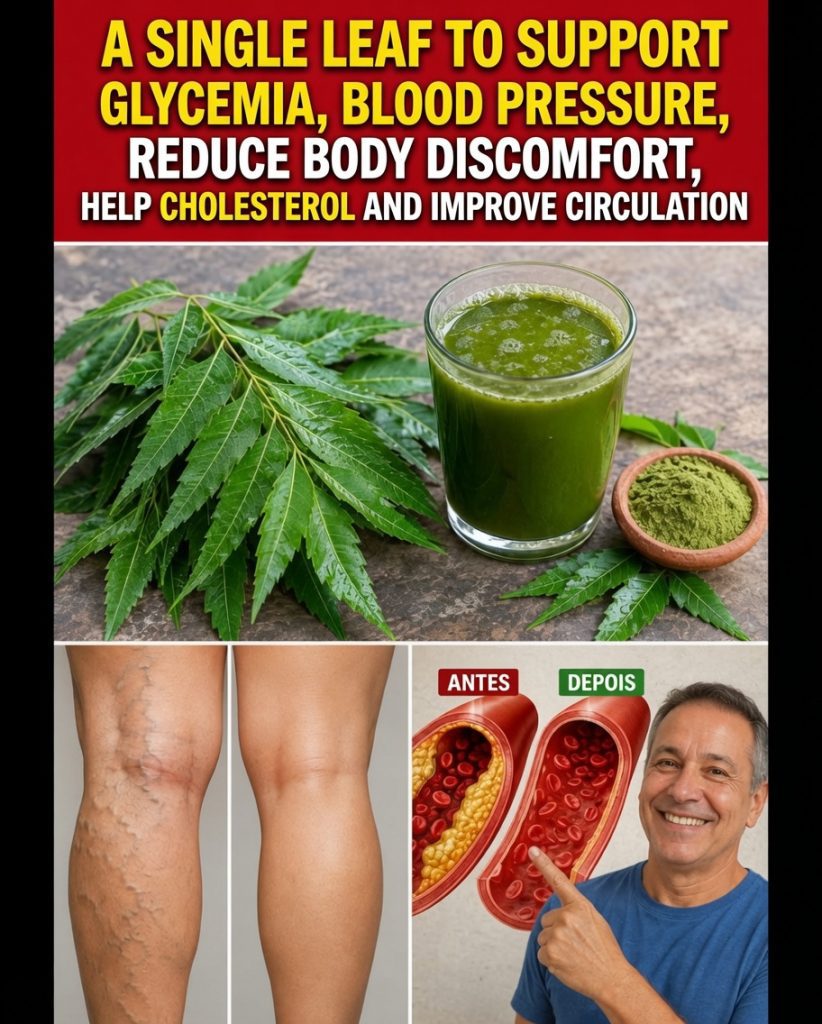
Neem Leaves After 40: Traditional Uses, Potential Benefits, and Safe Ways to Include Them in Your Wellness Routine
As we get older, it’s common to notice changes in our health. Blood sugar becomes harder to manage, blood pressure may gradually rise, stiff joints become more noticeable, and everyday energy isn’t quite what it used to be. While medical care remains essential for treating these conditions, many people are also exploring traditional herbal plants that have been valued for generations.
One of the most respected medicinal plants in traditional wellness systems is neem (Azadirachta indica). Used for centuries in Ayurvedic practices, neem leaves contain a variety of naturally occurring plant compounds that researchers continue to study for their antioxidant, anti-inflammatory, and antimicrobial properties.
Although neem is not a cure for diabetes, hypertension, arthritis, or any other disease, it may support overall wellness when used responsibly alongside a healthy lifestyle and appropriate medical care.
What Makes Neem Leaves Special?
Neem leaves contain numerous bioactive compounds, including:
- Nimbin
- Nimbidin
- Azadirachtin
- Quercetin
- Nimbolide
- Various flavonoids and polyphenols
These naturally occurring substances have attracted scientific interest because of their antioxidant and anti-inflammatory activities.
Potential Health Benefits of Neem Leaves
1. Rich Source of Antioxidants
Neem leaves provide antioxidants that help protect cells from oxidative stress caused by free radicals. Long-term oxidative stress has been linked to normal aging and many chronic health conditions.
2. Supports Healthy Blood Sugar Management
Early laboratory and animal studies suggest certain neem compounds may influence glucose metabolism. However, evidence in humans remains limited, and neem should never replace prescribed diabetes medication.
When combined with a balanced diet and regular exercise, neem may become part of an overall healthy lifestyle.
3. May Support Cardiovascular Wellness
Traditional herbal medicine has long used neem to promote healthy circulation.
Some preliminary studies suggest its antioxidant content may support:
- Healthy blood vessels
- Normal cholesterol metabolism
- Overall cardiovascular function
More clinical research is still needed.
4. Helps Fight Oxidative Stress
Plant polyphenols found in neem help defend cells against environmental stressors and normal aging.
5. Natural Anti-Inflammatory Properties
Laboratory research indicates neem contains compounds that may help regulate inflammatory pathways.
Many people traditionally consume neem tea or apply neem preparations to support joint comfort, although human evidence remains limited.
6. Supports Healthy Skin
Neem has been widely used in skincare because of its cleansing and antimicrobial properties.
Topical preparations may help support skin affected by:
- Minor blemishes
- Oily skin
- Dry patches
- Occasional irritation
Always perform a patch test before use.
7. Promotes Oral Hygiene
Neem twigs have been used as natural toothbrushes in many cultures.
Modern studies suggest neem extracts may help reduce oral bacteria when included in good dental hygiene practices.
8. Supports the Immune System
A nutrient-rich diet that includes antioxidant-containing plants may help support normal immune function.
Neem contributes various plant compounds that continue to be investigated for this purpose.
9. Encourages Healthy Digestion
Traditional herbal practitioners have used neem to support digestive comfort.
Because neem is naturally bitter, it has historically been associated with stimulating digestive processes, although scientific evidence remains limited.
10. May Help Maintain Healthy Cholesterol Levels
Some early studies suggest neem extracts could influence lipid metabolism, but more human research is necessary before firm conclusions can be made.
11. Supports Hair and Scalp Care
Neem-infused oils and rinses have long been used to:
- Keep the scalp clean
- Reduce excess oil
- Improve the appearance of healthy hair
- Support scalp comfort
12. Traditional Support for Joint Comfort
In Ayurvedic medicine, neem has often been included in herbal formulas intended to promote flexibility and comfort after physical activity.
13. Provides Natural Plant Nutrients
Neem leaves supply numerous naturally occurring phytochemicals that contribute to a varied, plant-rich diet.
14. May Support Healthy Aging
Its antioxidant profile makes neem a popular ingredient in wellness routines focused on maintaining overall vitality.
15. Complements a Healthy Lifestyle
No single herb can replace healthy habits. Neem works best as one component of a broader wellness routine that includes:
- Regular exercise
- Balanced nutrition
- Adequate sleep
- Stress management
- Routine medical care
Traditional Ways to Use Neem
1. Neem Leaf Tea
Ingredients
- 4–5 fresh neem leaves (or 1 teaspoon dried leaves)
- 2 cups water
Instructions
- Bring water to a boil.
- Add the neem leaves.
- Simmer for 5–7 minutes.
- Remove from heat and allow to steep for another 5 minutes.
- Strain before drinking.
Because neem has a naturally bitter flavor, some people add a slice of lemon after brewing.
2. Neem Face Paste
Ingredients
- Fresh neem leaves
- Small amount of water
Blend into a smooth paste and apply to clean skin for approximately 10 minutes before rinsing.
Use only occasionally and discontinue if irritation develops.
3. Neem Hair Rinse
Boil a handful of neem leaves in water for 10–15 minutes.
Allow the liquid to cool completely before using it as a final rinse after shampooing.
4. Neem-Infused Oil
Neem oil should always be diluted with a carrier oil such as coconut or jojoba oil before applying to the skin.
Never ingest neem oil unless specifically directed by a qualified healthcare professional.
Safety Precautions
Although neem has a long history of traditional use, it is not appropriate for everyone.
Avoid neem or consult your healthcare provider if you:
- Are pregnant or breastfeeding
- Have autoimmune disorders
- Take medications for diabetes or blood pressure
- Take blood-thinning medications
- Have chronic liver or kidney disease
Excessive consumption may cause unwanted side effects, including digestive discomfort.
Frequently Asked Questions
Can neem replace diabetes medication?
No. Neem should never replace prescribed medication or professional medical care.
Is neem safe to drink every day?
Moderate use may be appropriate for some adults, but long-term daily use should be discussed with a healthcare professional.
Does neem help lower blood pressure?
Some early studies suggest potential cardiovascular benefits, but evidence is insufficient to recommend neem as a treatment for hypertension.
Can neem improve joint discomfort?
Its anti-inflammatory compounds have shown promise in laboratory studies, but more high-quality human research is needed.
Final Thoughts
Neem leaves have been respected in traditional medicine for centuries and continue to attract scientific interest because of their diverse plant compounds. While research suggests potential antioxidant, anti-inflammatory, antimicrobial, and metabolic benefits, neem should be viewed as a supportive wellness herb rather than a cure for chronic disease.
If you choose to include neem in your routine, do so in moderation, purchase products from reputable sources, and consult your healthcare provider—especially if you have an existing medical condition or take prescription medications.
Disclaimer: This article is intended for educational purposes only. It is not intended to diagnose, treat, cure, or prevent any disease. Always seek advice from a qualified healthcare professional before using herbal supplements or making significant changes to your health routine.