Natural Ways to Support Your Lymphatic System: Healthy Habits for Everyday Wellness
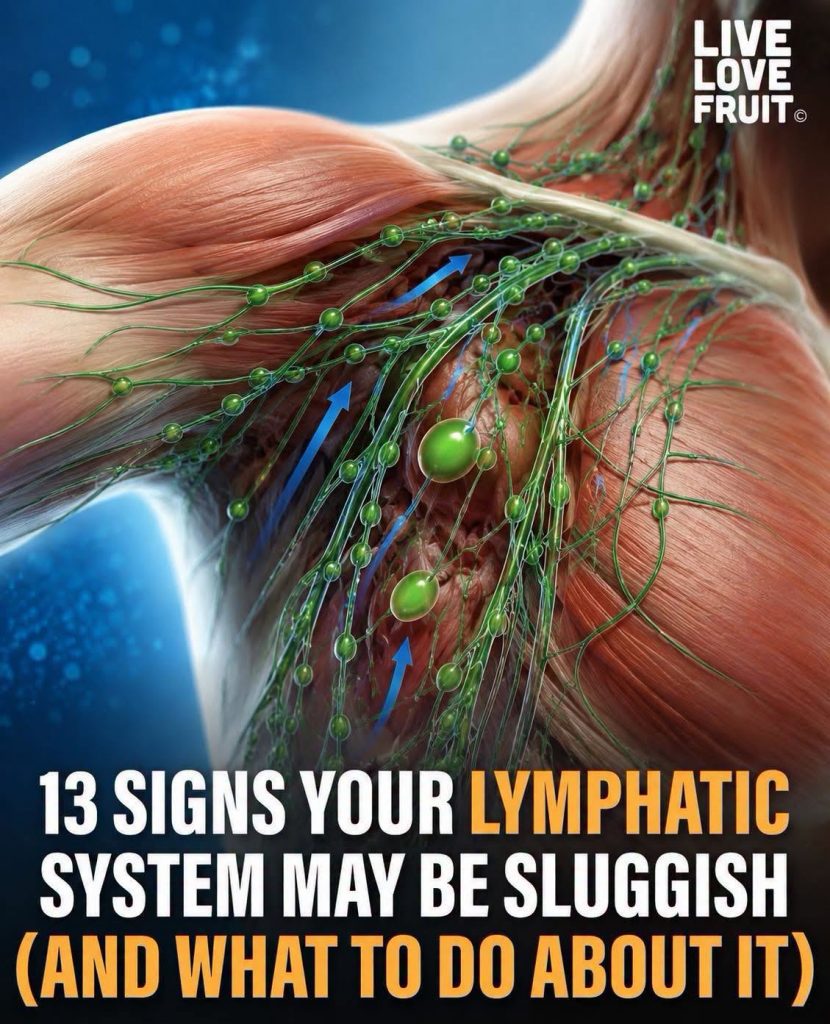
The lymphatic system is one of the body’s most important yet often overlooked networks. It plays a vital role in immune function, fluid balance, and the removal of cellular waste. Unlike the circulatory system, the lymphatic system does not have a central pump like the heart. Instead, it relies on movement, breathing, hydration, and healthy daily habits to keep lymph flowing efficiently.
Although the phrase “lymph detox” is commonly used online, it’s important to understand that your body already has highly effective detoxification organs—including the liver, kidneys, lungs, and digestive system. Rather than “detoxing” the lymphatic system, the goal is to support its natural function through healthy lifestyle choices.
In this guide, you’ll learn how the lymphatic system works, why it’s important, and practical ways to support it naturally.
What Is the Lymphatic System?
The lymphatic system is a network of vessels, lymph nodes, and organs that work together to transport lymph—a clear fluid containing white blood cells, proteins, and other substances—throughout the body.
Its primary functions include:
- Maintaining fluid balance
- Supporting immune defenses
- Filtering waste products
- Transporting fats from the digestive system
- Helping protect the body against infections
Healthy lymph circulation contributes to overall wellness and complements many other body systems.
Why Lymphatic Health Matters
A properly functioning lymphatic system helps maintain normal immune activity and fluid balance.
Healthy lymph circulation may support:
- Normal immune function
- Healthy tissue fluid balance
- Recovery after physical activity
- Efficient transport of nutrients
- Removal of cellular waste products
While the lymphatic system works continuously on its own, certain lifestyle habits can help maintain its natural function.
Signs That May Indicate Poor Lifestyle Habits Affecting Overall Circulation
Many online articles claim specific symptoms mean your lymphatic system is “clogged.” In reality, symptoms such as swelling or fatigue can have many possible causes.
However, adopting healthier habits may benefit people who experience:
- Sitting for long periods
- Limited physical activity
- Poor hydration
- Diets high in processed foods
- Frequent fatigue related to lifestyle factors
Persistent swelling, pain, or unexplained symptoms should always be evaluated by a healthcare professional.
1. Stay Well Hydrated
Water is essential for nearly every process in the body, including lymph movement.
Without adequate hydration, lymph fluid becomes more concentrated, making normal circulation less efficient.
Tips
- Drink water regularly throughout the day.
- Increase fluid intake during exercise or hot weather.
- Flavor water naturally with lemon, cucumber, or mint if desired.
2. Move Your Body Every Day
Since the lymphatic system depends on muscle movement, regular physical activity is one of the best ways to encourage healthy lymph flow.
Good options include:
- Walking
- Cycling
- Swimming
- Yoga
- Stretching
- Light strength training
Even 30 minutes of moderate exercise most days of the week can make a difference.
3. Practice Deep Breathing
The diaphragm acts like a natural pump for the lymphatic system.
Slow, deep breathing encourages movement of lymph through the chest and abdomen.
Try this simple exercise:
- Inhale slowly through your nose for four seconds.
- Hold for two seconds.
- Exhale gently for six seconds.
- Repeat for five to ten minutes.
4. Eat More Colorful Fruits and Vegetables
Plant foods provide vitamins, minerals, antioxidants, and fiber that support overall health.
Some excellent choices include:
- Blueberries
- Strawberries
- Citrus fruits
- Spinach
- Kale
- Broccoli
- Bell peppers
- Carrots
A colorful diet naturally provides a wide variety of protective nutrients.
5. Choose Healthy Fats
Healthy fats help support normal cell function and overall wellness.
Good sources include:
- Avocados
- Olive oil
- Walnuts
- Chia seeds
- Flaxseeds
- Fatty fish like salmon
Try replacing processed fats with these nutrient-rich options whenever possible.
6. Include Herbs and Spices in Your Meals
Many herbs contain plant compounds that contribute to a balanced diet.
Popular options include:
- Ginger
- Turmeric
- Parsley
- Garlic
- Cilantro
- Rosemary
These ingredients add flavor while providing natural antioxidants.
7. Dry Brushing (Optional)
Dry brushing is a popular wellness practice involving a soft-bristle brush used on dry skin before showering.
Although scientific evidence remains limited, many people enjoy it as part of a self-care routine.
Possible benefits include:
- Gentle skin exfoliation
- Temporary improvement in skin appearance
- Relaxation
Use gentle pressure and avoid irritated or damaged skin.
8. Consider Gentle Massage
Massage may temporarily improve circulation and promote relaxation.
Some people choose specialized lymphatic massage performed by trained professionals when recommended by their healthcare provider.
Massage should never replace medical treatment for swelling or other health conditions.
9. Prioritize Quality Sleep
Your body performs many restorative processes during sleep.
Adults should generally aim for:
- Seven to nine hours of sleep per night
Healthy sleep habits support immune function, recovery, and overall well-being.
10. Reduce Highly Processed Foods
Highly processed foods often contain:
- Added sugars
- Excess sodium
- Refined carbohydrates
- Unhealthy fats
Building meals around whole foods can support better nutrition and long-term health.
Refreshing Herbal Wellness Drink
This refreshing beverage combines hydrating ingredients with fresh herbs and citrus.
Ingredients
- 2 cups water
- 1 cucumber, sliced
- Juice of ½ lemon
- Small handful of fresh parsley
- Small piece of fresh ginger
- Fresh mint leaves
- Ice cubes (optional)
Instructions
- Wash all ingredients thoroughly.
- Blend cucumber, parsley, ginger, lemon juice, and water.
- Strain if desired.
- Add fresh mint.
- Serve chilled.
This drink provides hydration along with vitamins and plant nutrients that complement a healthy diet.
Foods That Naturally Support Overall Wellness
Building balanced meals around whole foods benefits the entire body.
Excellent choices include:
- Leafy greens
- Citrus fruits
- Berries
- Tomatoes
- Garlic
- Ginger
- Yogurt
- Nuts
- Seeds
- Whole grains
- Beans
- Salmon
Everyday Habits That Support Healthy Circulation
Besides eating well, consider these habits:
- Avoid prolonged sitting.
- Stand up every hour.
- Stretch throughout the day.
- Maintain a healthy weight.
- Avoid smoking.
- Limit excessive alcohol.
- Stay physically active.
Small daily actions often provide greater long-term benefits than occasional extreme routines.
Frequently Asked Questions
Can you detox your lymphatic system?
The body naturally removes waste through the liver, kidneys, digestive system, lungs, and lymphatic system. Rather than “detoxing” the lymphatic system, healthy habits help support its normal function.
What foods are good for the lymphatic system?
Whole fruits, vegetables, healthy fats, lean proteins, herbs, nuts, seeds, and adequate water support overall health, including the lymphatic system.
Does drinking more water improve lymph flow?
Proper hydration helps maintain normal fluid balance throughout the body, including lymph circulation.
Is exercise important?
Yes. Muscle contractions help move lymph through the body because the lymphatic system has no central pump.
Is dry brushing scientifically proven?
Evidence remains limited. Dry brushing may help exfoliate the skin and can be part of a relaxing self-care routine, but it should not be viewed as a medical treatment.
Final Thoughts
Supporting your lymphatic system doesn’t require expensive cleanses or extreme detox programs. Consistent daily habits—including staying hydrated, eating a nutrient-rich diet, exercising regularly, getting quality sleep, and managing stress—can help maintain the body’s natural processes.
Instead of searching for quick fixes, focus on sustainable lifestyle choices that benefit your immune system, circulation, and overall health. Small improvements practiced consistently often have the greatest long-term impact.
Medical Disclaimer: This article is intended for educational purposes only and does not replace professional medical advice, diagnosis, or treatment. If you experience persistent swelling, unexplained pain, fever, or other concerning symptoms, consult a qualified healthcare provider promptly.