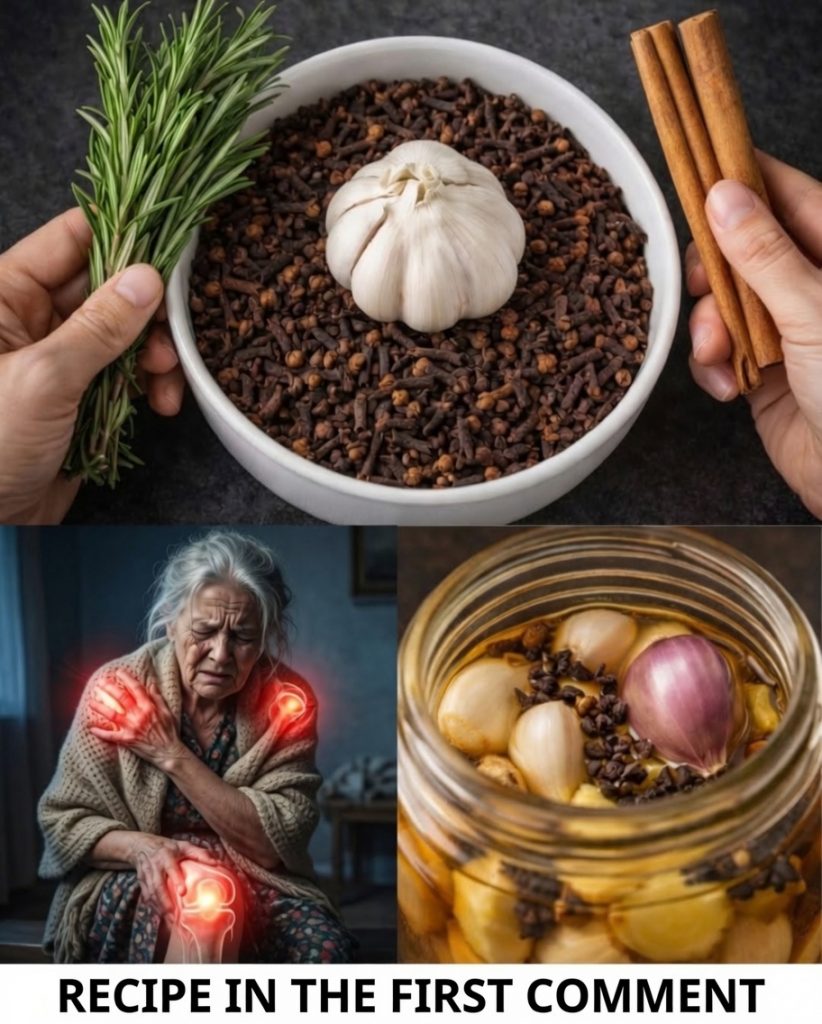
Natural Ways to Ease Leg Pain, Joint Stiffness, and Varicose Vein Discomfort
Understanding Leg Pain: Why It Happens and What You Can Do
Leg pain is one of the most common physical complaints among adults, especially as they age. Whether it appears as aching calves after a long day, stiff knees in the morning, swollen ankles, or discomfort caused by varicose veins, persistent leg pain can affect mobility, sleep quality, and overall well-being.
Many people rely on medications for relief, but there is growing interest in natural approaches that may help support comfort and circulation. While home remedies cannot cure arthritis, reverse varicose veins, or replace professional medical care, certain traditional practices may help reduce discomfort and improve daily quality of life.
This guide explores several natural remedies, lifestyle habits, and self-care techniques that may help ease leg pain and support healthier joints and circulation.
Common Causes of Leg Pain
Before trying any remedy, it’s important to understand what may be causing your symptoms.
Arthritis
Arthritis involves inflammation of the joints and often causes:
- Joint stiffness
- Swelling
- Reduced flexibility
- Pain during movement
The most common forms include osteoarthritis and rheumatoid arthritis.
Varicose Veins
Varicose veins develop when veins become enlarged and weakened, making it harder for blood to return efficiently to the heart.
Symptoms may include:
- Aching legs
- Heaviness
- Swelling
- Visible enlarged veins
- Fatigue after standing
Muscle Fatigue
Long periods of standing, physical activity, or poor posture can contribute to muscle soreness and tension.
Circulation Problems
Reduced blood flow may cause:
- Cold feet
- Leg cramps
- Tingling sensations
- Feelings of heaviness
Age-Related Changes
As people age, muscles naturally lose strength and joints experience wear and tear, which can contribute to chronic discomfort.
Garlic and Clove Infused Oil for Massage
One traditional remedy frequently used in home wellness routines combines garlic, cloves, and a carrier oil.
Why Garlic?
Garlic contains compounds such as allicin, which have been studied for their antioxidant and anti-inflammatory properties.
Why Cloves?
Cloves contain eugenol, a naturally occurring compound associated with soothing and warming effects.
Ingredients
- 6–8 garlic cloves
- 1 tablespoon whole cloves
- 1 cup olive oil or coconut oil
- Glass jar with lid
Preparation
- Peel and lightly crush the garlic cloves.
- Place garlic and cloves into a clean glass jar.
- Cover completely with olive oil or coconut oil.
- Seal the jar tightly.
- Store in a cool, dark place for 7 days.
- Strain and transfer the infused oil into a clean container.
How to Use
Massage a small amount onto:
- Knees
- Calves
- Ankles
- Feet
- Areas of muscular tension
Gentle massage may help stimulate circulation and promote relaxation.
Warm Compress Therapy
Heat has long been used to relieve muscle tension and stiffness.
Benefits of Warm Compresses
Heat may help:
- Relax tight muscles
- Improve circulation
- Ease temporary joint discomfort
- Reduce feelings of stiffness
How to Prepare
- Slightly warm your infused garlic-clove oil.
- Soak a clean towel in warm water.
- Apply the oil to the affected area.
- Cover with the warm towel.
- Leave in place for 15–20 minutes.
Always test the temperature first to avoid burns.
Epsom Salt Foot and Leg Soak
Many people find soaking their feet or legs in warm water helpful after a long day.
Why Epsom Salt?
Epsom salt contains magnesium sulfate, a compound often used in relaxation baths.
Although research remains mixed regarding magnesium absorption through the skin, many individuals report feeling more relaxed after soaking.
What You’ll Need
- Warm water
- 2 cups Epsom salt
- Large basin or bathtub
Instructions
- Fill the basin with warm water.
- Dissolve the Epsom salt completely.
- Soak your feet or lower legs for 20–30 minutes.
- Dry thoroughly afterward.
This routine can be particularly comforting after prolonged standing or walking.
Gentle Stretching for Joint Mobility
Movement remains one of the most effective ways to support healthy joints.
Simple Calf Stretch
Stand facing a wall.
- Place both hands on the wall.
- Step one foot backward.
- Keep the heel on the floor.
- Hold for 20 seconds.
Repeat on both sides.
Ankle Circles
While seated:
- Rotate each ankle clockwise 10 times.
- Rotate counterclockwise 10 times.
This simple exercise may encourage circulation.
Elevating the Legs
For individuals with swollen feet or varicose vein discomfort, elevating the legs can be beneficial.
How It Helps
Elevation may:
- Encourage venous return
- Reduce temporary swelling
- Relieve feelings of heaviness
Method
Lie down and place your legs on:
- Pillows
- A cushion
- A footrest
Keep legs slightly above heart level for 15–20 minutes.
Foods That May Support Joint and Circulatory Health
Nutrition plays an important role in overall wellness.
Garlic
Contains sulfur compounds associated with antioxidant activity.
Ginger
Traditionally used to support comfort and healthy inflammatory responses.
Turmeric
Contains curcumin, a plant compound extensively studied for its anti-inflammatory properties.
Berries
Rich in antioxidants that help combat oxidative stress.
Fatty Fish
Sources of omega-3 fatty acids include:
- Salmon
- Sardines
- Mackerel
These healthy fats support overall joint and cardiovascular health.
Staying Active: The Most Overlooked Remedy
Many people reduce movement because of pain.
Ironically, inactivity often worsens stiffness.
Low-impact activities may help maintain mobility:
Walking
Even 20–30 minutes daily can be beneficial.
Swimming
Provides movement with minimal stress on joints.
Cycling
Offers cardiovascular benefits while being easier on the knees than running.
Chair Exercises
Useful for individuals with limited mobility.
Consistency matters more than intensity.
Understanding Varicose Veins
Varicose veins affect millions of adults worldwide.
They occur when vein valves weaken, causing blood to pool.
Common Symptoms
- Leg heaviness
- Swelling
- Visible veins
- Cramping
- Fatigue
Helpful Lifestyle Habits
- Avoid prolonged standing
- Move regularly throughout the day
- Elevate the legs
- Maintain a healthy weight
- Wear compression stockings if recommended by a healthcare professional
Natural remedies may support comfort, but they cannot eliminate established varicose veins.
The Role of Massage
Massage remains one of the simplest methods for temporary relief.
Potential benefits include:
- Improved relaxation
- Reduced muscle tension
- Better circulation
- Increased body awareness
Use gentle pressure and avoid directly massaging prominent varicose veins.
Hydration Matters More Than Many People Realize
Dehydration may contribute to:
- Muscle cramps
- Fatigue
- Reduced physical performance
Simple hydration strategies include:
- Drinking water consistently throughout the day
- Consuming water-rich fruits
- Limiting excessive sugary beverages
Proper hydration supports circulation and muscle function.
When Should You See a Doctor?
Natural remedies can complement healthy habits, but some symptoms require medical attention.
Seek professional care if you experience:
- Sudden swelling in one leg
- Severe pain
- Redness and warmth
- Difficulty walking
- Persistent numbness
- Chest pain or shortness of breath
These symptoms may indicate serious conditions that need prompt evaluation.
Daily Wellness Routine for Leg Comfort
Morning
- Gentle stretching
- Short walk
- Hydration
Afternoon
- Avoid sitting or standing too long
- Move every hour
Evening
- Warm foot soak
- Light massage
- Leg elevation
Small daily habits often provide more benefit than occasional intensive treatments.
Final Thoughts
Leg pain, joint stiffness, arthritis-related discomfort, and varicose vein symptoms can make everyday activities more challenging. While natural remedies cannot replace medical treatment, they may help support comfort, circulation, and relaxation when used responsibly.
Simple practices such as warm compresses, garlic-infused massage oil, Epsom salt soaks, regular movement, hydration, and a nutrient-rich diet can become valuable additions to a holistic wellness routine.
The key is consistency. Small healthy habits performed regularly often have a greater long-term impact than quick fixes or miracle claims.
If symptoms persist or worsen, always seek guidance from a qualified healthcare professional. The goal is not only to relieve discomfort but also to maintain mobility, independence, and quality of life for years to come.
Disclaimer: This article is intended for educational purposes only and does not provide medical advice. Consult a healthcare professional for diagnosis, treatment, or personalized recommendations regarding arthritis, circulation disorders, varicose veins, or chronic pain.