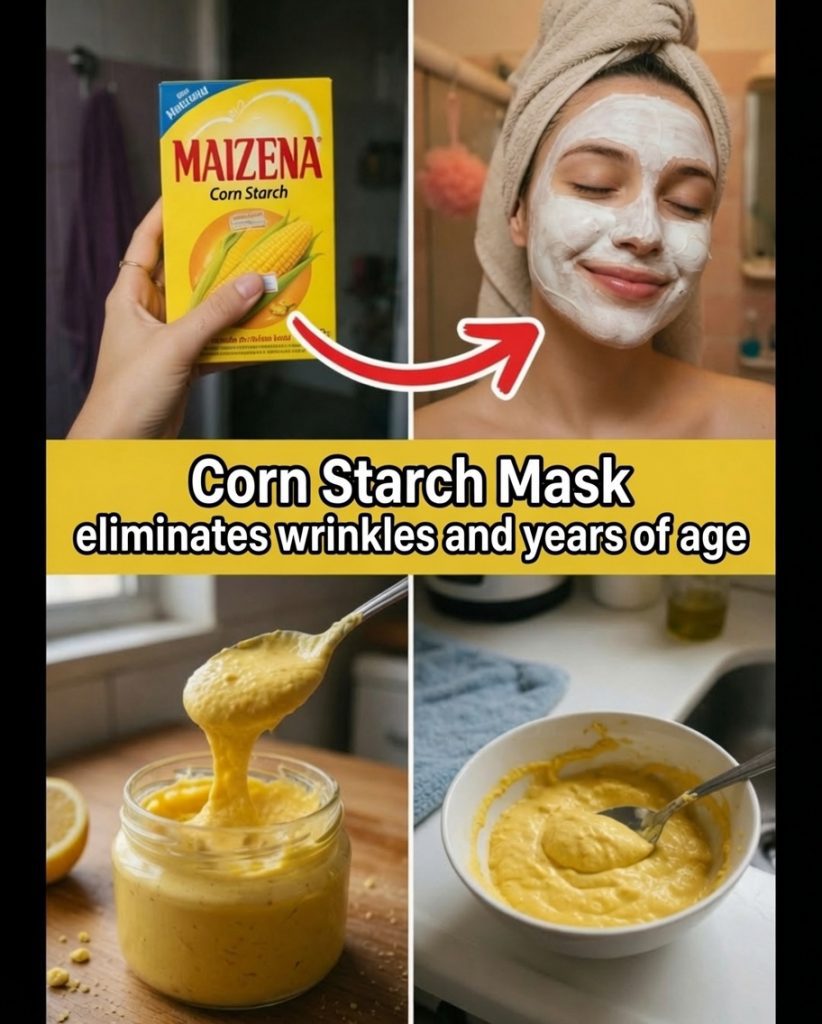
Homemade skincare has become increasingly popular among people looking for affordable, simple ways to care for their skin. One ingredient that often appears in DIY beauty recipes is cornstarch.
Commonly used in cooking, cornstarch has a soft texture and oil-absorbing properties that make it a favorite ingredient in homemade face masks. While it isn’t a miracle skincare product and won’t replace professional treatments, it can be part of an enjoyable self-care routine for many people.
In this guide, you’ll learn what cornstarch is, why it’s used in homemade masks, how to prepare one safely, and which ingredients work best for different skin types.
What Is Cornstarch?
Cornstarch is a fine powder extracted from the endosperm of corn kernels.
In the kitchen, it’s commonly used to thicken soups, sauces, and desserts. In DIY skincare, it’s appreciated because it creates a smooth, silky texture and can help absorb excess surface oil.
Many homemade beauty enthusiasts combine it with moisturizing ingredients to create gentle facial masks.
Potential Benefits of a Cornstarch Face Mask
Although scientific research specifically on cornstarch face masks is limited, the ingredient may offer several cosmetic benefits when used appropriately.
1. Helps Absorb Excess Oil
Cornstarch can absorb some of the oil sitting on the skin’s surface, helping reduce shine temporarily.
For this reason, it’s often included in homemade treatments for oily or combination skin.
2. Leaves Skin Feeling Soft
When mixed with ingredients such as honey or yogurt, cornstarch creates a smooth paste that can leave the skin feeling soft after rinsing.
3. Supports a Gentle Self-Care Routine
Applying a face mask encourages relaxation and gives you an opportunity to slow down and care for your skin.
Even simple rituals can become enjoyable parts of a wellness routine.
4. Works Well with Other Natural Ingredients
Because cornstarch has a neutral texture, it blends easily with many common kitchen ingredients.
Popular additions include:
- Honey
- Plain yogurt
- Aloe vera gel
- Oatmeal
- Rose water
Ingredients for a Basic Cornstarch Face Mask
This simple recipe requires only a few ingredients.
Ingredients
- 1 tablespoon cornstarch
- 1 tablespoon honey
- 2–3 teaspoons water or milk
- Optional: a small amount of plain yogurt for extra moisture
Step-by-Step Instructions
Step 1
Place the cornstarch into a clean bowl.
Step 2
Add the honey.
Step 3
Slowly stir in the water or milk until a smooth, creamy paste forms.
Step 4
Wash your face with a gentle cleanser and pat dry.
Step 5
Apply an even layer to clean skin, avoiding the eyes and lips.
Step 6
Leave the mask on for about 10–15 minutes.
Step 7
Rinse thoroughly with lukewarm water.
Step 8
Pat your skin dry with a clean towel and apply your favorite moisturizer.
Customize the Recipe for Your Skin Type
For Oily Skin
Try combining:
- Cornstarch
- Plain yogurt
- Rose water
This combination may help reduce excess surface oil while providing a refreshing feel.
For Dry Skin
Mix:
- Cornstarch
- Honey
- Aloe vera gel
These ingredients can help provide additional moisture.
For Combination Skin
Blend:
- Cornstarch
- Honey
- Plain yogurt
This creates a balanced mask suitable for many skin types.
For Sensitive Skin
Use only:
- Cornstarch
- Water
Keeping the ingredient list simple may reduce the chance of irritation.
Ingredients to Use Carefully
Some DIY beauty recipes recommend adding lemon juice or turmeric.
While these ingredients are popular in home remedies, they require caution.
Lemon Juice
Fresh lemon juice can be irritating and may increase the skin’s sensitivity to sunlight.
It is generally not recommended for direct application to the face.
Turmeric
Turmeric may temporarily stain light-colored skin or fabrics if used in large amounts.
A very small amount is usually sufficient.
Tips for Best Results
For a safe and enjoyable experience:
- Apply to freshly cleansed skin.
- Use the mask once or twice a week.
- Follow with a gentle moisturizer.
- Drink plenty of water throughout the day.
- Wear sunscreen every morning.
Healthy skin depends on daily care—not just occasional masks.
Common DIY Skincare Myths
Myth: Homemade masks erase wrinkles.
Reality: No homemade mask has been proven to remove wrinkles permanently. Moisturizing ingredients may temporarily improve the appearance of dry skin.
Myth: Natural always means safe.
Reality: Natural ingredients can still cause irritation or allergic reactions.
Myth: More is better.
Reality: Overusing face masks can dry out or irritate the skin.
Moderation is key.
Safety Tips
Before trying any homemade skincare product:
- Perform a patch test on the inside of your arm.
- Wait 24 hours before applying it to your face.
- Do not apply masks to broken, sunburned, or irritated skin.
- Stop using the product if redness, burning, or itching develops.
If you have eczema, rosacea, severe acne, or other skin conditions, consult a dermatologist before trying DIY skincare treatments.
Frequently Asked Questions
Can I use a cornstarch face mask every day?
It’s generally better to use it once or twice per week to avoid over-drying the skin.
Does it help acne?
Cornstarch may absorb some surface oil, but it is not a treatment for acne.
Persistent acne should be evaluated by a healthcare professional.
Can I store leftover mask?
Fresh homemade masks should be prepared immediately before use and discarded afterward.
Because they contain natural ingredients without preservatives, they spoil quickly.
Is cornstarch suitable for all skin types?
Many people tolerate it well, but everyone’s skin is different. A patch test is always recommended before first use.
Final Thoughts
A homemade cornstarch face mask is an easy, affordable way to enjoy a relaxing skincare ritual using simple household ingredients. While it won’t replace professional skincare products or treatments, it may help leave your skin feeling refreshed, soft, and clean when used as part of a balanced skincare routine.
The healthiest skin comes from consistent daily habits—gentle cleansing, moisturizing, sun protection, a nutritious diet, adequate hydration, and quality sleep. Homemade masks can be a fun addition to that routine, helping you enjoy a little extra self-care without complicated ingredients.