Green Juice for Swollen Legs After 50: Why Daily Habits Matter More Than the Juice
After the age of 50, many people start noticing swelling, heaviness, or discomfort in their legs — especially at the end of the day. While green juices have become popular online as a quick fix, the truth is that no single drink can solve circulation issues on its own.
Real improvement comes from consistent daily habits. A well-made green juice can be a helpful addition, but it works best when combined with movement, hydration, and smart lifestyle choices.
In this article, we explain why leg swelling happens and share practical habits (plus one balanced green juice recipe) to help you feel lighter and more comfortable.
Why Do Legs Swell After 50?
As we age, circulation naturally becomes less efficient. However, aging isn’t the only cause. Common contributing factors include:
- Lack of regular movement
- High sodium intake (often hidden in processed foods)
- Poor hydration
- Prolonged sitting or standing
- Weakened vein and lymphatic function
Understanding these factors is more important than looking for a “miracle juice.”
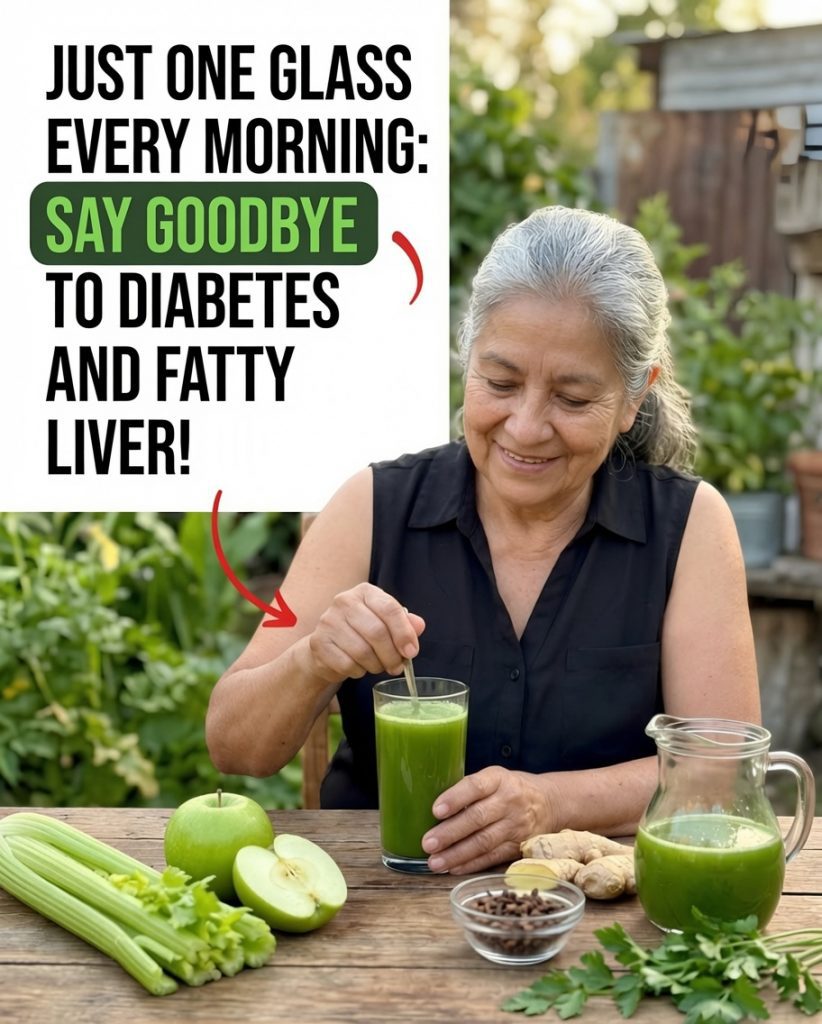
Green Juice Recipe for Leg Swelling Support
This simple green juice combines ingredients that may help support hydration, reduce inflammation, and promote better fluid balance.
Ingredients:
- 1 stalk of celery
- 1 green apple
- Small piece of fresh ginger
- 250 ml of water
Preparation:
- Wash all ingredients thoroughly.
- Chop the celery and apple, then blend everything with the water.
- You can strain it or drink it with the fiber (recommended for better digestion).
- Drink it fresh, preferably in the morning.
Benefits of this juice:
- Celery has natural diuretic properties
- Green apple provides fiber and helps stabilize blood sugar
- Ginger offers mild anti-inflammatory effects
- Supports hydration and overall fluid balance
Tip: Drink it fresh and avoid adding sugar or artificial sweeteners.
5 Habits That Make a Bigger Difference Than Any Juice
If you want real and lasting results, focus on these daily habits:
1. Walk Every Day Walking for 15–20 minutes after breakfast or lunch activates the calf muscles, which act as a natural pump to improve blood return from the legs to the heart.
2. Reduce Hidden Salt Excess sodium is one of the main causes of fluid retention. Cut back on processed foods, sausages, and canned products. Use herbs and spices like oregano, turmeric, or cumin instead of salt.
3. Stay Well Hydrated It may seem contradictory, but drinking enough water helps your body release retained fluids. Aim for at least 2 liters per day.
4. Elevate Your Legs While Sleeping Place a pillow under your legs so they are slightly raised (about 15 cm). This helps lymphatic drainage and reduces swelling that accumulates during the day.
5. Avoid Long Periods of Inactivity If you sit or stand for long hours, take short breaks every hour to move your ankles and toes. Even small movements help reactivate circulation.
When Should You See a Doctor?
While lifestyle changes help in most cases, consult a doctor if you notice:
- Sudden or severe swelling in one leg only
- Pain, redness, or warmth in the leg
- Swelling that doesn’t improve after resting
- Shortness of breath or chest discomfort
These could be signs of a more serious condition that needs medical attention.
Final Thoughts
A green juice can be a nice addition to your morning routine and may offer some support for reducing leg swelling. However, the real transformation comes from consistent habits: moving more, drinking enough water, reducing salt, and resting properly.
There are no magic drinks — only smart, sustainable choices that compound over time.
If you’re over 50 and dealing with leg swelling, start with small daily actions. Over time, these habits usually bring better and longer-lasting results than any single remedy.
Would you like more juice recipes or a simple daily routine for better circulation after 50? Let me know in the comments!
Disclaimer: This article is for informational purposes only and does not replace professional medical advice. If you experience persistent or severe leg swelling, consult your doctor to rule out underlying conditions.