Many people add garlic to their meals hoping to enjoy its natural goodness, only to wonder why they sometimes feel bloated, experience discomfort, or see fewer benefits than expected. That strong, pungent bulb has been valued in kitchens and traditional practices for generations, yet small everyday habits can reduce its potential or even lead to unwanted effects. The good news is that with a few simple adjustments, you can make the most of this versatile ingredient while staying comfortable and safe.

In this guide, you’ll discover practical ways to avoid the pitfalls that hold many people back. Keep reading to the end for one surprising preparation tip that can help preserve more of garlic’s natural compounds.
Why Garlic Deserves a Place in Your Routine
Garlic belongs to the allium family and contains sulfur compounds that give it its distinctive aroma and flavor. Research has explored its role in supporting overall wellness, including potential contributions to heart health and immune function. Studies suggest that compounds like allicin, formed when garlic is crushed or chopped, may offer antioxidant and anti-inflammatory properties.
However, how you handle, prepare, and consume garlic makes a big difference. Understanding the common mistakes can help you enjoy it more effectively without discomfort.
Mistake 1: Cooking Garlic Immediately After Chopping
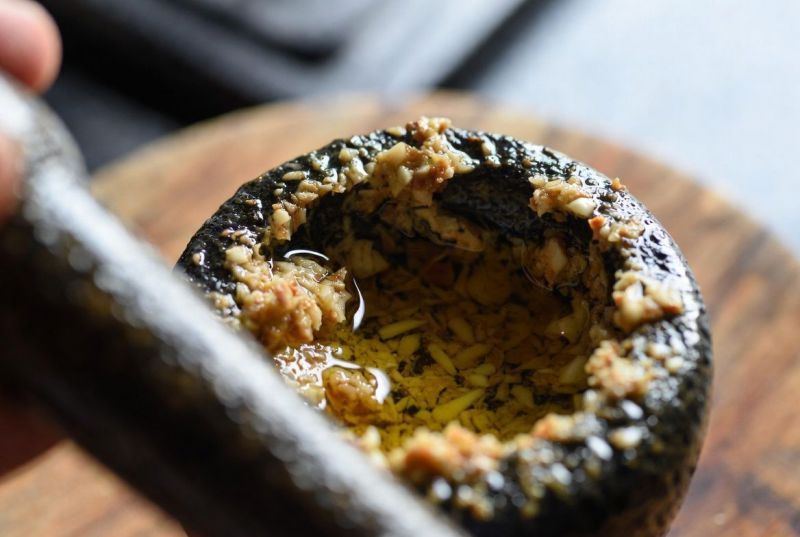
One of the biggest errors is tossing freshly chopped garlic straight into a hot pan. The beneficial compound allicin forms only after the clove is crushed or minced, as this allows an enzyme called alliinase to react. Heating it right away can deactivate this process before it fully develops.
What to do instead: After chopping or crushing, let the garlic rest for 10 to 15 minutes at room temperature. This short wait allows more allicin to form. Then add it toward the end of cooking for better flavor and potential benefits.
Mistake 2: Using Extremely High Heat
High temperatures, such as deep-frying or prolonged high-heat sautéing, can break down many of garlic’s sulfur compounds quickly. Burnt garlic not only tastes bitter but also loses much of its appeal.
Tip for success: Sauté garlic gently over medium-low heat for just a minute or two until fragrant. This preserves more of its character while avoiding bitterness.
Mistake 3: Eating Too Much Raw Garlic at Once
Raw garlic packs a powerful punch, but consuming large amounts in one sitting often leads to digestive upset like heartburn, gas, or stomach discomfort. This is especially true for those with sensitive stomachs or conditions like GERD.
Start small—try one medium clove per day—and see how your body responds. Pairing it with food, such as in salads or spreads, can make it easier on the system.
Mistake 4: Storing Chopped Garlic Improperly
Leaving chopped or minced garlic at room temperature for too long, or storing it in oil without proper refrigeration and timing, can create conditions for bacterial growth, including the risk of botulism in homemade garlic oil.
Safe storage guidelines:
- Use chopped garlic within a day or two when refrigerated.
- For garlic-infused oil, refrigerate immediately and use within a short period (consult food safety resources for exact times).
- Avoid leaving it out uncovered.
Always prioritize fresh preparation when possible.
Mistake 5: Ignoring Potential Medication Interactions
Garlic may influence blood clotting and blood pressure. If you’re taking blood thinners, blood pressure medications, or diabetes treatments, large amounts could interact in ways that need medical attention.
Actionable step: Talk with your healthcare provider before significantly increasing your garlic intake, especially if you use medications regularly. They can help you find a balance that fits your needs.
Mistake 6: Choosing Old or Sprouted Garlic
Older garlic or cloves with green sprouts may have reduced potency and, in some cases, altered compounds. Sprouted garlic is still edible for many people but is often milder and may not deliver the same level of active elements.
Look for firm, plump bulbs with tight skins. Store whole garlic in a cool, dry place with good airflow—avoid the refrigerator for long-term storage as it can encourage sprouting or mold.
Mistake 7: Relying Only on Supplements Without Fresh Garlic
While garlic supplements can be convenient, many studies highlight that fresh garlic offers a broader profile of compounds. Supplements vary widely in quality and allicin content, and some processing methods reduce effectiveness.
Balanced approach: Incorporate fresh garlic into your meals most days and consider supplements only as a complement after checking with a professional. Whole foods provide additional nutrients and fiber.
How to Prepare Garlic for Everyday Use: Step-by-Step Guide
- Select fresh, firm bulbs from the store.
- Peel and crush or mince the cloves using a knife or press.
- Allow 10-15 minutes of resting time on the cutting board.
- Add to dishes toward the end of cooking or use raw in dressings and dips.
- Start with small portions and gradually increase as tolerated.
Additional tips for variety:
- Roast whole heads for a milder, sweeter flavor.
- Blend into hummus or yogurt-based sauces.
- Mix with olive oil and herbs for a simple bread dip (use fresh and consume promptly).
Comparing Raw vs. Cooked Garlic
- Raw: Higher allicin content but stronger taste and potential for more digestive irritation.
- Cooked: Gentler on the stomach, milder flavor, but some reduction in certain compounds.
- Best of both: Use a mix—raw in some preparations and lightly cooked in others.
Many people find that combining methods throughout the week works well for enjoyment and comfort.
More Ways to Enjoy Garlic Safely
Beyond the basics, consider these ideas:
- Add minced garlic to vegetable stir-fries after removing from heat.
- Use it in marinades with lemon or vinegar to balance flavors.
- Try black garlic (fermented) for a sweet, umami taste with potentially different compound profiles.
Consistency matters more than large occasional doses. One or two cloves most days can be a sustainable habit for many.
Conclusion: Small Changes for Better Results
Garlic can be a flavorful addition to a balanced diet when prepared thoughtfully. By avoiding these common mistakes—such as rushing the preparation, overcooking, or ignoring personal tolerances—you’re more likely to enjoy it comfortably and consistently. Remember that individual responses vary, and what works best is often a personalized approach.
Frequently Asked Questions
Is it better to eat garlic raw or cooked?
Both have merits. Raw garlic may retain more of certain active compounds, while cooked garlic is often easier to digest and milder in taste. Many people benefit from using both forms.
How much garlic is safe to eat daily?
For most healthy adults, one to two cloves per day is a reasonable amount. Listen to your body and adjust based on comfort. Consult a healthcare provider for personalized advice.
Can garlic cause any side effects?
Possible effects include bad breath, body odor, or mild digestive discomfort, especially with raw or large amounts. Those with allergies or certain medical conditions should be cautious.
Disclaimer: This article is for informational purposes only and is not intended as medical advice. Garlic is generally safe as part of a varied diet for most people, but individual results may vary. Always consult a qualified healthcare professional before making significant changes to your diet, particularly if you have health conditions or take medications.