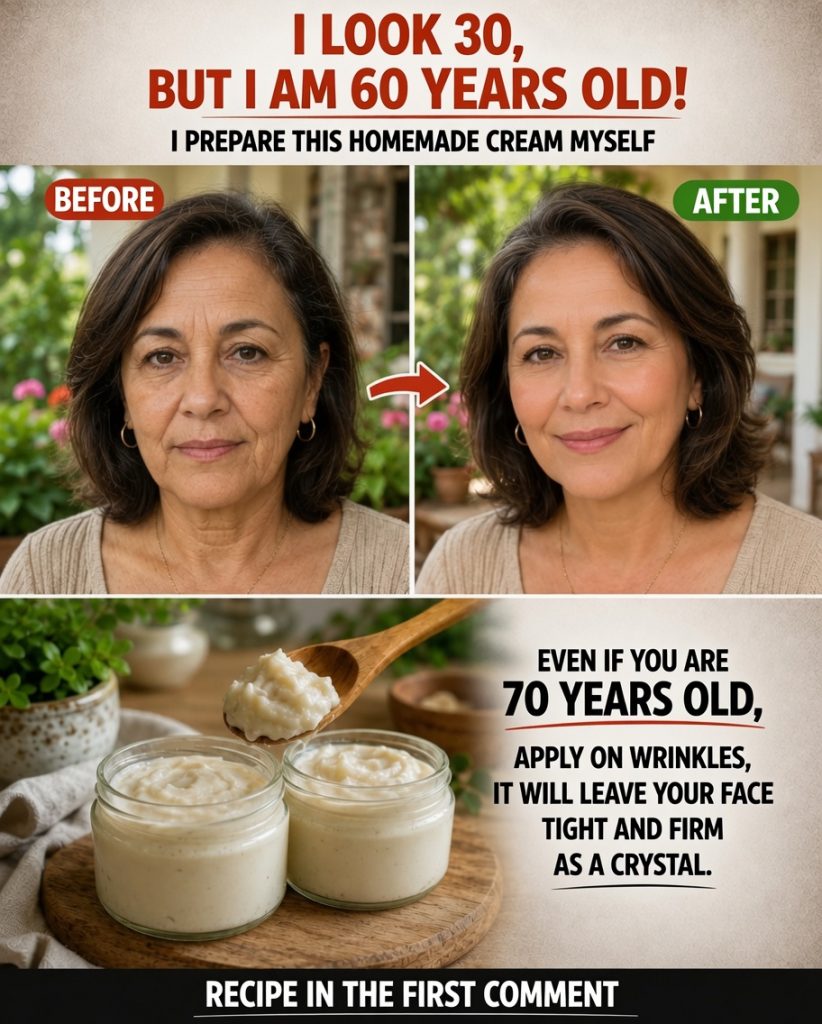
DIY Baking Soda Face Cream: Should You Use It for Wrinkles and Dark Spots?
Homemade skincare recipes continue to trend online, and one of the most popular ingredients is baking soda. Many social media posts claim that a simple baking soda cream can erase wrinkles, fade age spots, and make skin look years younger.
While baking soda is inexpensive and commonly found in most kitchens, scientific evidence does not support these dramatic claims. In fact, dermatologists generally advise caution because baking soda can disrupt the skin’s natural protective barrier when used on the face.
That doesn’t mean homemade skincare has no place in your routine. The key is understanding what baking soda can realistically do, what the risks are, and which gentle alternatives are better supported by research.
What Is Baking Soda?
Baking soda, also known as sodium bicarbonate, is a naturally occurring alkaline compound widely used in:
- Baking
- Household cleaning
- Odor control
- Personal care products
Because of its mildly abrasive texture, some people use it as an exfoliant. However, facial skin is delicate, and harsh exfoliation may do more harm than good.
Can Baking Soda Remove Wrinkles?
No.
There is no scientific evidence showing that baking soda removes wrinkles or stimulates collagen production.
Wrinkles develop because of natural aging, sun exposure, reduced collagen, genetics, and lifestyle factors.
The most effective evidence-based ways to improve the appearance of wrinkles include:
- Daily sunscreen
- Retinoids (when appropriate)
- Moisturizers
- Vitamin C serums
- Healthy nutrition
- Adequate sleep
Can Baking Soda Fade Dark Spots?
Again, there is little scientific evidence supporting baking soda as a treatment for hyperpigmentation or age spots.
Some people notice smoother-looking skin after exfoliation because dead skin cells are temporarily removed.
However, excessive exfoliation may actually increase irritation and worsen discoloration in sensitive skin.
Potential Benefits of Baking Soda for Skin
Although baking soda is not an anti-aging treatment, it may have limited cosmetic uses.
1. Temporary Exfoliation
Its fine particles can help remove surface dead skin cells.
Gentle exfoliation may leave skin feeling smoother.
Because baking soda is highly alkaline, frequent use is generally not recommended.
2. Helps Remove Surface Oil
Baking soda may temporarily reduce excess oil on the skin.
However, removing too much oil can weaken the skin barrier and increase dryness or irritation.
3. Affordable and Accessible
Baking soda is inexpensive and widely available.
Still, affordability alone does not guarantee safety or effectiveness for facial skincare.
Why Dermatologists Recommend Caution
Healthy skin has a naturally acidic protective barrier with a pH around 4.5–5.5.
Baking soda has a pH of approximately 8–9.
Applying highly alkaline substances repeatedly may:
- Disrupt the skin barrier
- Increase dryness
- Cause redness
- Trigger irritation
- Make sensitive skin worse
People with eczema, rosacea, or sensitive skin should be especially cautious.
A Gentler DIY Moisturizing Face Mask
Instead of relying primarily on baking soda, many dermatologists recommend moisturizing ingredients that are less likely to irritate the skin.
Ingredients
- 1 tablespoon raw honey
- 1 tablespoon plain yogurt
- 1 teaspoon coconut oil (optional for dry skin)
Instructions
- Mix until smooth.
- Apply to clean skin.
- Leave on for 10–15 minutes.
- Rinse with lukewarm water.
- Pat dry and apply moisturizer.
This type of mask focuses on hydration rather than aggressive exfoliation.
If You Still Choose to Use Baking Soda
If you decide to try a baking soda skincare recipe, use it sparingly.
Ingredients
- 1 teaspoon baking soda
- 1 tablespoon honey
- 1 teaspoon coconut oil
Mix thoroughly and apply only for a few minutes before rinsing completely.
Avoid scrubbing.
Use no more than once every few weeks, and discontinue immediately if irritation develops.
Better Evidence-Based Ingredients for Healthy Skin
If your goal is smoother, brighter skin, consider products containing ingredients supported by stronger scientific evidence.
Vitamin C
May help brighten skin and protect against oxidative stress.
Niacinamide
Supports the skin barrier and may improve uneven skin tone.
Retinoids
Among the most effective topical ingredients for reducing the appearance of fine lines.
Use according to product instructions and consult a dermatologist if needed.
Hyaluronic Acid
Helps attract moisture to the skin for a plumper appearance.
Ceramides
Support the skin’s natural protective barrier and improve hydration.
Daily Habits That Support Healthy Skin
Healthy skin depends on more than any single ingredient.
Consider these dermatologist-recommended habits:
- Apply broad-spectrum sunscreen every day.
- Stay hydrated.
- Eat plenty of fruits and vegetables.
- Avoid smoking.
- Get enough sleep.
- Moisturize regularly.
- Cleanse gently without over-scrubbing.
These practices have much stronger scientific support than homemade anti-aging remedies.
Frequently Asked Questions
Can baking soda erase wrinkles?
No. There is no reliable evidence that baking soda removes wrinkles or rebuilds collagen.
Is baking soda safe for the face?
Occasional use may be tolerated by some people, but many dermatologists discourage regular facial use because it can disrupt the skin’s natural barrier.
Can baking soda lighten age spots?
There is no strong clinical evidence that baking soda safely or effectively treats hyperpigmentation.
How often should I exfoliate?
Most people only need gentle exfoliation once or twice a week, depending on their skin type.
Final Thoughts
Baking soda has long been used in household and personal care applications, but its reputation as a miracle anti-aging ingredient is not supported by scientific research. While it may temporarily smooth the skin by removing dead surface cells, regular facial use can also increase dryness and irritation because of its high alkalinity.
If your goal is healthier-looking skin, the most effective strategy is a consistent skincare routine that includes sunscreen, gentle cleansing, moisturizing, antioxidant-rich ingredients, and healthy lifestyle habits. These evidence-based practices offer a safer and more reliable approach to maintaining youthful-looking skin over time.
Medical Disclaimer:
This article is intended for educational purposes only and should not be considered medical advice. It is not intended to diagnose, treat, cure, or prevent any disease. If you have sensitive skin, eczema, rosacea, persistent pigmentation, or other skin concerns, consult a qualified dermatologist before trying homemade skincare treatments.