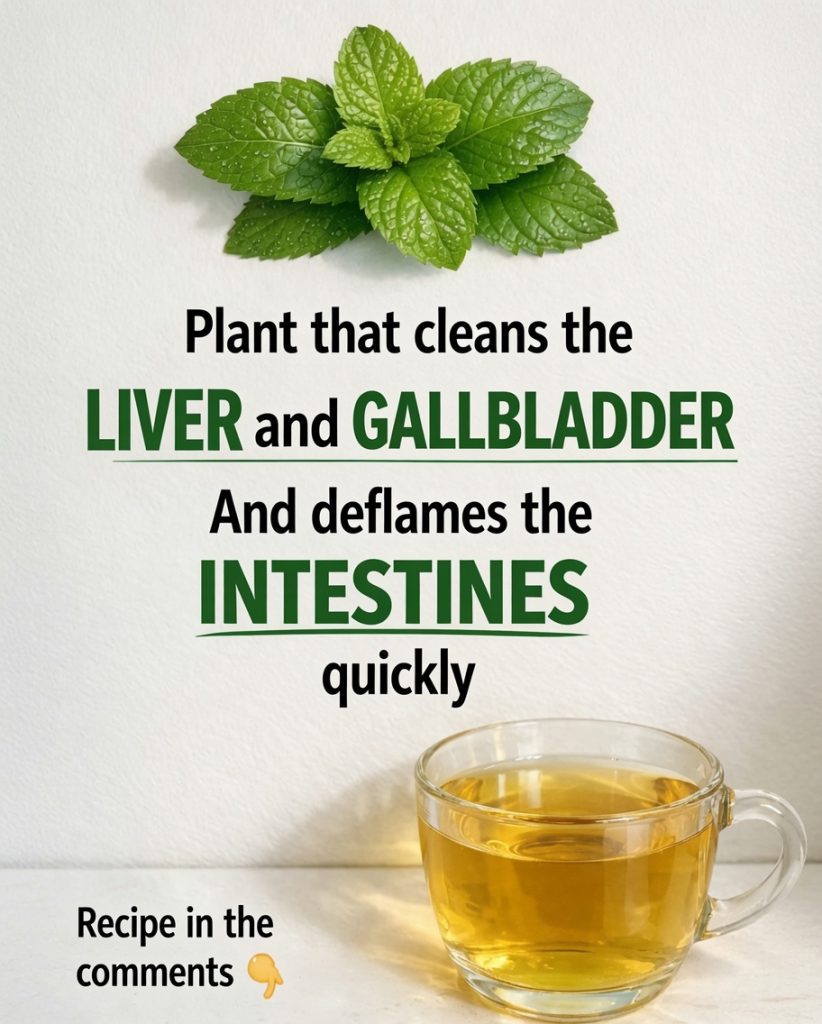
What Is Cuban Oregano?
Cuban oregano (Plectranthus amboinicus), also known as Indian borage, Mexican mint, Spanish thyme, or broadleaf oregano, is an aromatic herb widely used in traditional medicine across Asia, Africa, the Caribbean, and Latin America.
Its thick, velvety leaves contain naturally occurring essential oils and plant compounds that have long been valued for supporting respiratory comfort, digestion, and general wellness.
Although Cuban oregano has a long history of traditional use, it should not be considered a cure for respiratory diseases or a replacement for medical treatment. Modern research continues to investigate its potential health properties.
Why Cuban Oregano Has Been Used for Generations
The leaves naturally contain a variety of beneficial compounds, including:
- Essential oils
- Thymol
- Carvacrol
- Flavonoids
- Phenolic compounds
- Antioxidants
These compounds are responsible for the herb’s distinctive aroma and many of its traditional wellness applications.
Potential Benefits of Cuban Oregano Tea
1. Supports Respiratory Comfort
One of the most common traditional uses of Cuban oregano is for respiratory wellness.
Warm herbal tea may help provide soothing comfort during seasonal coughs or throat irritation.
Its aromatic compounds have traditionally been used to support normal breathing and respiratory comfort.
People with persistent cough, shortness of breath, wheezing, or fever should seek medical evaluation.
2. Promotes Healthy Digestion
Cuban oregano has long been used after meals to support digestive comfort.
Many people enjoy the tea because it may help:
- Reduce feelings of bloating
- Support normal digestion
- Promote gastrointestinal comfort
- Ease occasional stomach discomfort
Warm herbal beverages can also encourage relaxation after eating.
3. Provides Antioxidant Support
The herb contains naturally occurring antioxidants that help protect cells from oxidative stress.
A diet rich in antioxidant-containing herbs, fruits, and vegetables supports overall health and healthy aging.
4. Supports the Immune System
Although no herbal tea can prevent illness on its own, maintaining a diet rich in plant-based foods contributes to normal immune function.
Cuban oregano can be one enjoyable addition to a balanced lifestyle.
5. May Support Everyday Comfort
Traditional herbal medicine has often used Cuban oregano to promote comfort after physical activity or during periods of occasional muscle tension.
More human research is needed to confirm these traditional uses.
How to Make Cuban Oregano Tea
Ingredients
- 5 fresh Cuban oregano leaves
(or the equivalent amount of dried leaves) - 1 cup (250 ml) water
- Honey or lemon (optional)
Instructions
- Wash the leaves thoroughly.
- Bring the water to a gentle boil.
- Remove from the heat.
- Add the leaves.
- Cover and steep for approximately 10 minutes.
- Strain before drinking.
- Add honey or lemon if desired.
Enjoy the tea while warm.
Suggested Use
Many people traditionally enjoy:
- One cup once or twice daily.
- Short-term use during periods of seasonal respiratory or digestive discomfort.
Herbal teas are generally intended to complement—not replace—a healthy diet and appropriate medical care.
Other Traditional Uses of Cuban Oregano
Beyond herbal tea, Cuban oregano has traditionally been used in several ways.
Steam Inhalation
The aromatic leaves are sometimes added to hot water for steam inhalation.
The warm steam may help create a soothing sensation during seasonal nasal congestion.
Always avoid direct contact with hot steam to prevent burns.
Culinary Herb
The leaves are commonly used to season:
- Soups
- Stews
- Roasted vegetables
- Meat dishes
- Seafood
- Beans
Adding herbs to meals is an easy way to increase flavor while reducing the need for excess salt.
Traditional Topical Use
In some cultures, crushed leaves have been traditionally applied externally to minor insect bites or areas of temporary muscle discomfort.
Scientific evidence supporting these uses remains limited.
Never apply herbs to broken skin without professional guidance.
Nutritional Highlights
| Compound | Potential Role |
|---|---|
| Thymol | Aromatic plant compound with antioxidant properties |
| Carvacrol | Naturally occurring phenolic compound |
| Flavonoids | Help protect cells from oxidative stress |
| Essential oils | Characteristic aroma and traditional herbal use |
Important Safety Information
Although Cuban oregano is generally considered safe in culinary amounts, some precautions are important.
Consult your healthcare provider before regular use if you:
- Are pregnant or breastfeeding.
- Have chronic liver or kidney disease.
- Take prescription medications.
- Have allergies to plants in the mint family (Lamiaceae).
Avoid excessive consumption, as large amounts may cause digestive irritation in some individuals.
Frequently Asked Questions
Can Cuban oregano cure bronchitis or asthma?
No.
There is no scientific evidence that Cuban oregano tea cures bronchitis, asthma, or other respiratory diseases.
Persistent respiratory symptoms require evaluation by a qualified healthcare professional.
Can I drink the tea every day?
Short-term use is generally preferred in traditional practice.
For long-term or frequent use, consult your healthcare provider, particularly if you have underlying medical conditions.
Is Cuban oregano the same as common oregano?
No.
Although both are aromatic herbs, Cuban oregano (Plectranthus amboinicus) belongs to a different genus than common oregano (Origanum vulgare).
They have similar culinary uses but different botanical characteristics.
Final Thoughts
Cuban oregano tea is a fragrant herbal infusion with a long history of traditional use for respiratory comfort, digestive wellness, and general well-being.
Rich in antioxidants and aromatic plant compounds, it can be a pleasant addition to a healthy lifestyle when enjoyed in moderation.
While it should not be viewed as a cure or substitute for medical treatment, this traditional herbal tea remains a popular natural beverage that combines flavor, cultural heritage, and simple self-care in every cup.
Medical Disclaimer: This article is for educational and informational purposes only. It is not intended to diagnose, treat, cure, or prevent any disease. Always consult a qualified healthcare professional before using herbal remedies regularly, especially if you have chronic medical conditions, are pregnant or breastfeeding, or take prescription medications.