Beetroot Juice Benefits: What Science Says About This Bright Red Drink for Energy, Heart Health, and Digestion
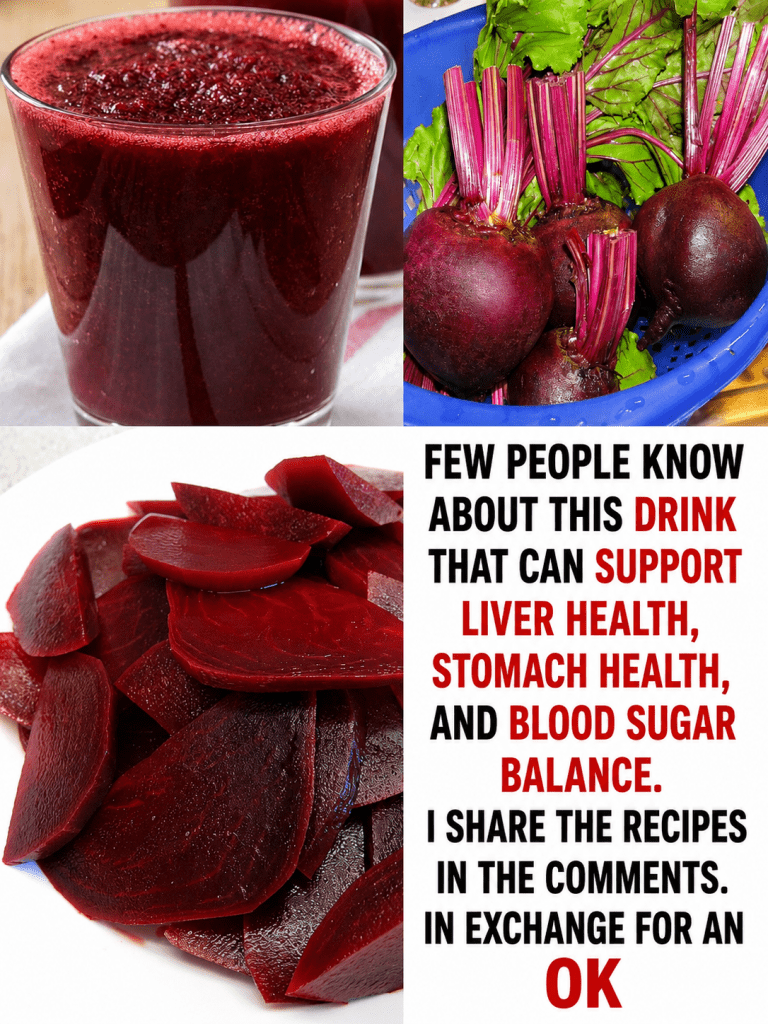
Have you ever wondered why beetroot juice has become one of the most talked-about natural wellness drinks?
Its vibrant crimson color isn’t just eye-catching—it reflects a rich supply of naturally occurring plant compounds, vitamins, minerals, and dietary nitrates that have attracted growing scientific interest over the past decade.
While beetroot juice isn’t a miracle cure or a “detox” drink, it can be a nutritious addition to a healthy lifestyle when enjoyed as part of a balanced diet.
Let’s explore what research actually says about this colorful root vegetable and how you can include it in your daily routine.
Why Beetroot Has Become So Popular
Beetroot is packed with naturally occurring nutrients, including:
- Dietary nitrates
- Folate
- Potassium
- Vitamin C
- Manganese
- Fiber (especially in whole beets)
- Betalain antioxidants
These nutrients work together to support several aspects of overall health.
1. Supports Healthy Blood Flow
One of beetroot’s most researched benefits comes from its natural nitrate content.
Inside the body, dietary nitrates are converted into nitric oxide, a molecule that helps blood vessels relax and widen.
Healthy nitric oxide production supports:
- Normal circulation
- Healthy blood vessel function
- Efficient oxygen delivery during physical activity
Because of this, beetroot juice has become popular among both athletes and older adults looking to maintain an active lifestyle.
2. May Help Exercise Performance
Numerous studies suggest that dietary nitrates may improve exercise efficiency by helping muscles use oxygen more effectively.
Some people report feeling able to:
- Walk longer distances
- Exercise with less fatigue
- Recover more comfortably after moderate activity
These effects tend to be modest and vary between individuals.
3. Provides Powerful Antioxidants
Beetroot contains colorful pigments called betalains, which act as antioxidants.
Antioxidants help protect cells from oxidative stress that naturally occurs during normal metabolism and aging.
Eating a variety of antioxidant-rich fruits and vegetables supports long-term health.
4. Supports Digestive Health
Whole beets are naturally rich in dietary fiber.
Fiber helps support:
- Regular bowel movements
- Healthy digestion
- Gut microbiome diversity
- Long-lasting fullness
If you’re drinking juice, remember that some fiber is removed during juicing. Blending whole beets into smoothies helps retain more of this valuable fiber.
5. A Naturally Hydrating Beverage
Fresh beetroot juice contains a high percentage of water, making it a refreshing way to contribute to daily hydration.
When combined with a balanced diet, proper hydration supports:
- Circulation
- Digestion
- Kidney function
- Physical performance
6. Rich in Potassium and Folate
Beets provide important nutrients that contribute to overall wellness.
Potassium
Supports:
- Normal muscle function
- Healthy nerve signaling
- Fluid balance
Folate
Contributes to:
- DNA production
- Healthy cell growth
- Normal red blood cell formation
7. A Heart-Healthy Addition to Your Diet
Research suggests that diets rich in vegetables—including nitrate-rich vegetables such as beetroot—may support cardiovascular health.
Rather than relying on one “superfood,” experts recommend eating a wide variety of colorful vegetables every day.
Nutritional Highlights
| Nutrient | Found in Beetroot | Supports |
|---|---|---|
| Dietary Nitrates | ✓ | Healthy circulation |
| Potassium | ✓ | Muscle and nerve function |
| Folate | ✓ | Cell growth and red blood cell production |
| Betalains | ✓ | Antioxidant protection |
| Vitamin C | Small amounts | Immune function and collagen production |
Simple Homemade Beetroot Juice Recipe
Ingredients
- 1 medium beetroot
- 1 carrot
- 1 small apple
- Juice of half a lemon
- 1 cup cold water
- Fresh ginger (optional)
Instructions
- Wash and peel the beetroot if desired.
- Chop all ingredients into small pieces.
- Blend until smooth.
- Add more water if needed.
- Serve immediately.
Keeping some of the pulp preserves more dietary fiber.
Tips for Enjoying Beetroot Juice
For most healthy adults:
- Enjoy moderate portions.
- Pair with meals containing protein or healthy fats.
- Rotate with other vegetable juices rather than drinking only beetroot juice every day.
- Include plenty of whole vegetables throughout the week.
Who Should Use Caution?
Although beetroot is healthy for many people, some individuals should consult their healthcare provider before significantly increasing intake.
This includes people who:
- Have kidney disease
- Have a history of certain kidney stones
- Take medications that affect blood pressure
- Follow medically prescribed diets
Frequently Asked Questions
Why does beetroot turn urine or stools pink?
This harmless effect is called beeturia. Some people naturally excrete beet pigments, causing temporary pink or reddish urine or stools.
Is beetroot juice good every day?
Moderate intake can fit into a balanced diet, but variety is important. Eating many different vegetables provides a broader range of nutrients.
Does beetroot detox the liver?
No food has been proven to “detox” the liver. Your liver naturally filters and processes substances every day. A healthy overall diet supports normal liver function.
Can beetroot replace medical treatment?
No. Beetroot is a nutritious food—not a medicine. It should complement, not replace, professional medical care.
Final Thoughts
Beetroot juice has earned its popularity because it offers an impressive combination of naturally occurring nitrates, antioxidants, vitamins, and minerals.
While it won’t cure disease or dramatically transform health overnight, it can become a valuable part of a balanced eating pattern that supports heart health, physical activity, and overall wellness.
Small, consistent habits—like eating more vegetables, staying active, sleeping well, and maintaining regular medical care—remain the foundation of healthy aging.
Medical Disclaimer: This article is intended for educational purposes only and does not replace professional medical advice, diagnosis, or treatment. Consult your healthcare provider before making significant dietary changes, particularly if you have kidney disease, cardiovascular conditions, or take prescription medications.