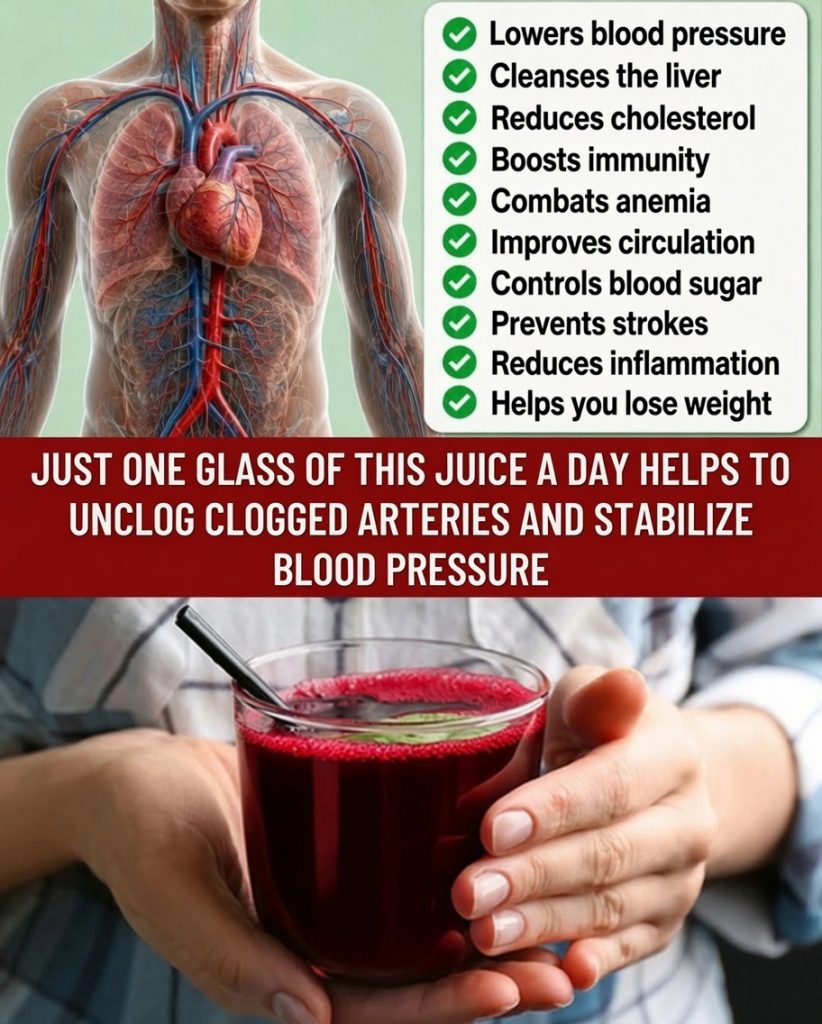
Beetroot and Lemon Juice: A Refreshing Drink to Support Heart Health and Daily Wellness
Introduction
Beetroot and lemon are two nutrient-rich ingredients that can easily become part of a healthy diet. Their vibrant color, refreshing taste, and impressive nutritional profile have made them popular in homemade juices around the world.
Beetroot is naturally rich in dietary nitrates, antioxidants, folate, and potassium, while lemon provides vitamin C and refreshing citrus flavor. Together, they create a delicious beverage that may support cardiovascular health, healthy circulation, and overall wellness when combined with balanced nutrition and an active lifestyle.
Although this juice offers many nutritional benefits, it is not a cure for high blood pressure, liver disease, or any other medical condition. Instead, it can serve as one healthy addition to your everyday routine.
Disclaimer: This article is for educational purposes only and should not replace professional medical advice, diagnosis, or treatment. If you have high blood pressure, diabetes, kidney disease, or other chronic health conditions, consult your healthcare provider before making significant dietary changes.
Why Beetroot and Lemon Make a Great Combination
These two ingredients complement each other nutritionally.
Beetroot provides:
- Natural dietary nitrates
- Folate
- Potassium
- Fiber
- Vitamin C
- Betalain antioxidants
Lemon contributes:
- Vitamin C
- Flavonoids
- Citric acid
- Small amounts of potassium
- Refreshing flavor without added sugar
Together, they create a nutrient-dense beverage that supports overall health.
Homemade Beetroot and Lemon Juice Recipe
Ingredients
- 1 medium fresh beetroot, peeled and chopped
- Juice of 2 fresh lemons
- 1 cup (250 ml) water
- 1 teaspoon honey (optional)
Instructions
- Wash and peel the beetroot.
- Cut it into small pieces.
- Add the beetroot and water to a blender.
- Blend until smooth.
- Strain if you prefer a lighter texture.
- Stir in the freshly squeezed lemon juice.
- Add honey if desired.
- Serve immediately.
For the best flavor and nutrient retention, enjoy the juice shortly after preparation.
When to Drink It
Many people enjoy beetroot juice:
- In the morning with breakfast
- Before moderate exercise
- As a refreshing afternoon drink
Because beetroot contains natural nitrates, some athletes also include it as part of their pre-workout nutrition.
Nutritional Benefits of Beetroot
Rich in Dietary Nitrates
The body converts dietary nitrates into nitric oxide, a molecule that helps support normal blood vessel function and healthy circulation.
Excellent Source of Antioxidants
Beetroot contains betalains, colorful pigments that help protect cells from oxidative stress.
Naturally High in Folate
Folate plays an important role in:
- Cell growth
- DNA synthesis
- Red blood cell production
Good Source of Potassium
Potassium supports:
- Normal muscle function
- Healthy nerve signaling
- Blood pressure regulation as part of a balanced diet
Nutritional Benefits of Lemon
Fresh lemon adds:
- Vitamin C for immune support
- Antioxidants that help protect cells
- A bright citrus flavor that reduces the need for added sugar
Vitamin C also supports collagen production, which benefits blood vessels, skin, and connective tissue.
Potential Health Benefits
When included in a balanced eating pattern, beetroot and lemon juice may help support:
- Healthy circulation
- Normal blood vessel function
- Heart health
- Antioxidant intake
- Daily hydration
- Digestive wellness
- Overall nutritional balance
These benefits are associated with the nutrients found in the ingredients—not with the juice as a medical treatment.
Nutrition Summary
| Ingredient | Key Nutrients | Potential Benefits |
|---|---|---|
| Beetroot | Dietary nitrates, folate, betalains, potassium | Supports healthy circulation and antioxidant intake |
| Lemon | Vitamin C, flavonoids | Immune support and antioxidant protection |
Healthy Habits That Complement This Juice
For better cardiovascular wellness:
- Eat plenty of fruits and vegetables.
- Limit excess sodium.
- Stay physically active.
- Maintain a healthy weight.
- Drink enough water.
- Sleep 7–9 hours each night.
- Avoid smoking.
- Manage stress regularly.
These lifestyle habits have a much greater impact on heart health than any single beverage.
Safety Considerations
Although beetroot juice is nutritious, it may not be appropriate for everyone.
Keep these precautions in mind:
- Beetroot may temporarily turn urine or stools pink or red (a harmless effect known as beeturia).
- People prone to kidney stones should moderate beet consumption because it contains oxalates.
- Individuals taking blood pressure medication should consult a healthcare provider before regularly consuming large amounts of beetroot juice, as dietary nitrates may contribute to lower blood pressure.
- Those with diabetes should account for the natural carbohydrates in beetroot as part of their overall meal plan.
Frequently Asked Questions
Can beetroot juice lower blood pressure?
Some studies suggest that dietary nitrates from beetroot may help support healthy blood pressure in certain people as part of an overall healthy lifestyle. However, it is not a substitute for prescribed blood pressure medication.
Is it good for the liver?
Beetroot contains antioxidants that support overall nutrition, but there is no strong evidence that beetroot juice “detoxifies” or cures liver disease.
Can I drink it every day?
For most healthy adults, moderate consumption can fit into a balanced diet. If you have kidney disease, diabetes, or low blood pressure, seek personalized medical advice first.
Is fresh juice better?
Freshly prepared juice generally retains more flavor and certain nutrients than juice stored for long periods.
Conclusion
Beetroot and lemon juice is a refreshing, nutrient-rich beverage that provides antioxidants, vitamin C, folate, potassium, and naturally occurring dietary nitrates. When enjoyed as part of a healthy diet, it may help support cardiovascular health, hydration, and overall wellness.
While this juice is not a miracle remedy or medical treatment, incorporating nutrient-dense foods like beetroot and lemon into your daily routine can contribute to long-term health alongside regular exercise, quality sleep, and professional medical care.