Baking Soda on Your Skin: Miracle Beauty Hack or Hidden Risk? What Dermatologists Want You to Know
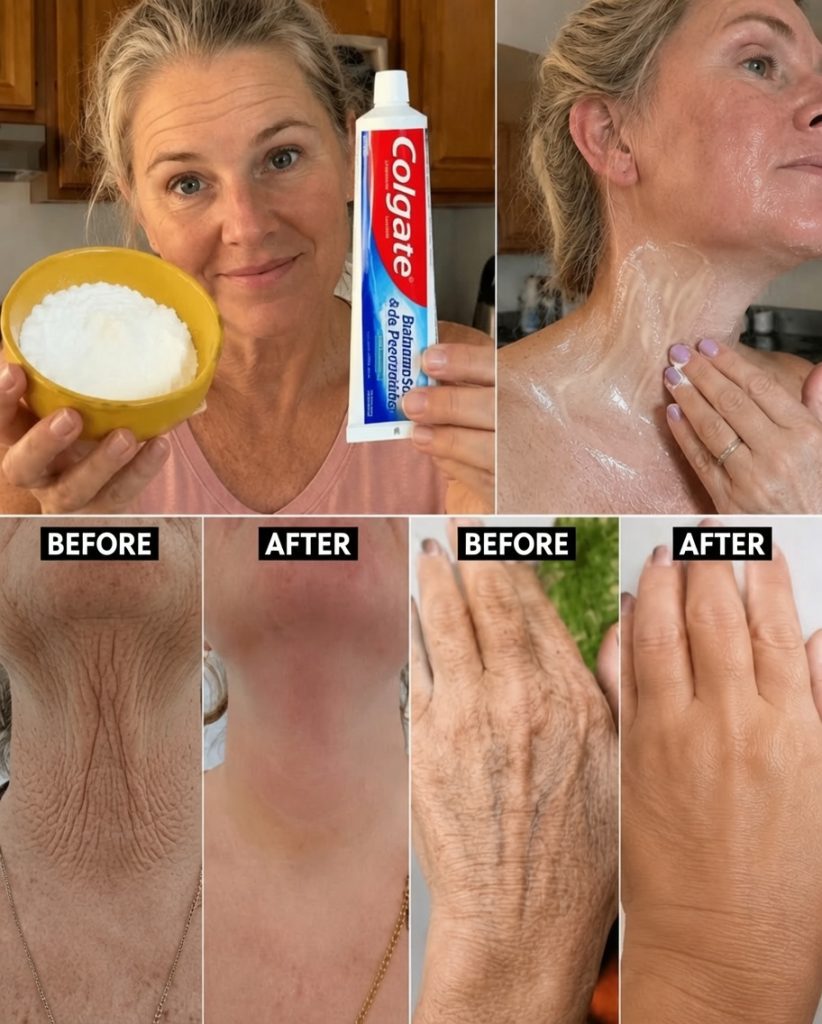
Scroll through social media for a few minutes and you’ll probably find someone claiming that a simple mixture of baking soda and toothpaste can erase dark spots, smooth wrinkles, or clear acne overnight. These viral beauty hacks promise dramatic results using inexpensive household ingredients—but are they actually safe?
The short answer is: not always.
While baking soda and toothpaste have legitimate uses in the kitchen and for oral hygiene, they were not designed for facial skincare. Applying them to your skin may do more harm than good, especially if you have sensitive skin or existing skin conditions.
Before trying the latest DIY beauty trend, it’s worth understanding how your skin works and why protecting its natural barrier is one of the most important steps toward healthy, glowing skin.
Why Your Skin Barrier Matters
Your skin is more than just a surface—it is your body’s largest protective organ.
The outer layer, often called the skin barrier, helps:
- Retain moisture
- Block harmful bacteria
- Protect against pollution
- Reduce irritation
- Maintain healthy skin balance
When this barrier becomes damaged, your skin may become:
- Dry
- Tight
- Red
- Sensitive
- More prone to irritation
Maintaining a healthy skin barrier is one of the foundations of good skincare.
Why Baking Soda Can Be Problematic
Baking soda (sodium bicarbonate) has an alkaline pH of about 8 to 9, while healthy skin is naturally slightly acidic, with a pH around 4.7 to 5.5.
This difference matters.
Using strongly alkaline substances on the skin may disrupt its natural protective barrier.
Potential effects include:
- Dryness
- Irritation
- Redness
- Increased sensitivity
Although baking soda may temporarily remove surface oil, frequent use can leave skin feeling uncomfortable.
What About Toothpaste?
Toothpaste is specifically formulated for cleaning tooth enamel—not skin.
Many formulas contain ingredients such as:
- Flavoring agents
- Menthol
- Whitening compounds
- Abrasives
- Foaming agents
These ingredients may irritate facial skin, particularly around the eyes, neck, or hands.
Using toothpaste as an acne treatment is generally not recommended by dermatologists.
Common Risks of DIY Baking Soda Beauty Treatments
1. Disrupting the Skin’s Natural pH
Healthy skin depends on a slightly acidic environment.
Repeated use of alkaline products may weaken the skin barrier and increase irritation.
2. Excessive Exfoliation
Baking soda particles create physical friction on the skin.
Over-exfoliation may leave skin:
- Rough
- Dry
- More sensitive
- More vulnerable to irritation
Gentle exfoliation is generally safer than aggressive scrubbing.
3. Increased Dryness
Removing too much natural oil may cause the skin to become dehydrated.
Ironically, very dry skin sometimes responds by producing even more oil.
4. Irritation Around Sensitive Areas
The skin on the:
- Neck
- Around the eyes
- Hands
is often thinner than other areas and may react more strongly to harsh ingredients.
5. Greater Sun Sensitivity
Damaged skin may become more vulnerable to ultraviolet (UV) exposure.
Daily sunscreen is one of the most effective ways to protect skin from premature aging and discoloration.
6. Allergic Reactions
Some toothpaste ingredients may trigger irritation or allergic reactions in susceptible individuals.
Symptoms may include:
- Burning
- Itching
- Redness
- Rash
7. Delaying Proper Treatment
Trying repeated DIY remedies may postpone diagnosis of conditions that require professional care, including eczema, rosacea, fungal infections, or persistent acne.
Common Skin Concerns and Better Solutions
Instead of harsh household ingredients, dermatologists often recommend products designed specifically for skin.
| Skin Concern | Household DIY | Dermatologist-Recommended Approach |
|---|---|---|
| Dry skin | Baking soda | Moisturizers containing ceramides or hyaluronic acid |
| Acne | Toothpaste | Gentle cleansers and proven acne treatments |
| Dark spots | Harsh scrubs | Sunscreen and dermatologist-approved brightening ingredients |
| Fine lines | Abrasive exfoliation | Daily sunscreen, moisturizers, and retinoids when appropriate |
A Realistic Example
Imagine someone notices dark spots on their hands after years of gardening.
They try a viral baking soda remedy that initially leaves their skin feeling smoother.
After several days, however, they develop dryness, redness, and irritation.
Instead, using sunscreen daily, moisturizing regularly, and consulting a dermatologist for appropriate treatments would likely provide safer, more effective long-term results.
Healthy skin improvements usually happen gradually—not overnight.
What Actually Helps Maintain Healthy Skin?
The best skincare routines are often the simplest.
1. Cleanse Gently
Choose a mild cleanser that removes dirt without stripping natural oils.
Avoid harsh scrubbing.
2. Moisturize Daily
Look for ingredients such as:
- Ceramides
- Glycerin
- Hyaluronic acid
- Urea
These help support the skin barrier.
3. Wear Sunscreen Every Day
Daily sunscreen remains one of the most effective ways to reduce:
- Premature aging
- Sun spots
- Uneven skin tone
Use broad-spectrum SPF 30 or higher whenever appropriate.
4. Eat a Balanced Diet
A nutritious diet rich in fruits, vegetables, healthy fats, and adequate protein supports skin health from within.
5. Stay Hydrated
Proper hydration supports overall skin function and comfort.
6. Be Patient
Healthy skin changes usually occur gradually over weeks or months.
Consistency matters more than quick fixes.
When Should You See a Dermatologist?
Schedule an appointment if you experience:
- Persistent acne
- Dark spots that change rapidly
- Severe dryness
- Painful rashes
- Skin infections
- Moles that change in size, color, or shape
- Irritation that does not improve
Professional evaluation is the safest approach for ongoing skin concerns.
Frequently Asked Questions
Can baking soda remove dark spots?
There is no strong scientific evidence showing that baking soda safely removes dark spots. Its abrasive nature may actually increase irritation in some people.
Is toothpaste good for pimples?
Dermatologists generally do not recommend applying toothpaste to acne because it may irritate the skin.
Is baking soda safe for occasional exfoliation?
People with sensitive skin should avoid it. Even occasional use may disrupt the skin barrier.
What is the safest way to brighten skin?
Daily sunscreen, gentle skincare, moisturizers, and evidence-based ingredients recommended by a dermatologist provide safer long-term results.
Final Thoughts
The appeal of viral beauty hacks is easy to understand—everyone wants simple, inexpensive solutions for healthier-looking skin. However, not every household product belongs in a skincare routine.
Although baking soda and toothpaste serve useful purposes elsewhere, they are not formulated for facial skin and may increase dryness, irritation, or sensitivity when used improperly.
Healthy skin is built through consistent care, not harsh shortcuts. Gentle cleansing, regular moisturizing, daily sun protection, and professional guidance when needed remain the most reliable path toward a strong, healthy, and naturally radiant complexion.
Disclaimer: This article is intended for educational purposes only and should not be considered medical advice. Always consult a qualified dermatologist or healthcare professional before beginning any new skincare treatment, especially if you have sensitive skin or a diagnosed skin condition.