Apple Seeds and Cancer Claims: What Science Actually Says
Apple Seeds and Cancer Claims: What Science Actually Says
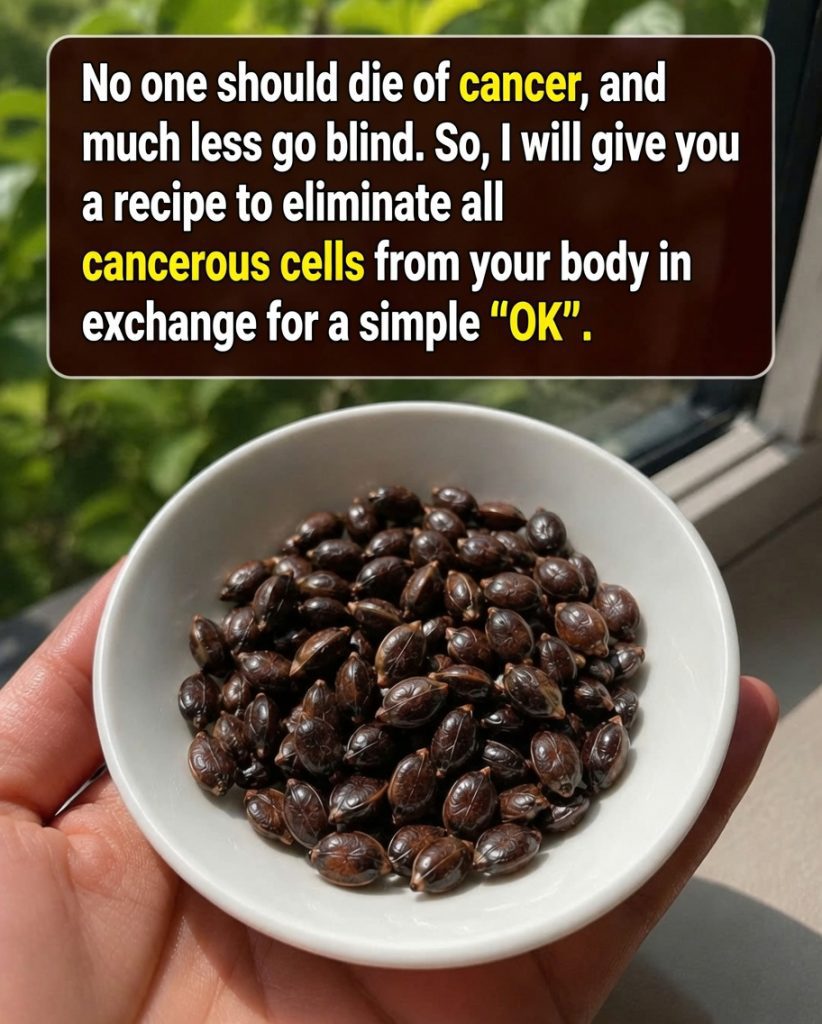
Apple seeds have gained attention online due to claims linking them to cancer prevention or treatment. These claims are often associated with a natural compound called amygdalin, sometimes promoted under the name “vitamin B17” or laetrile.
However, current scientific evidence does not support apple seeds as a safe or effective cancer treatment. In fact, consuming large amounts of crushed apple seeds may pose health risks due to the potential release of cyanide in the body.
What Is Amygdalin?
Amygdalin is a naturally occurring compound found in the seeds of several fruits, including:
- Apples
- Apricots
- Peaches
- Cherries
- Plums
- Bitter almonds
When apple seeds are chewed or crushed, amygdalin can break down and release hydrogen cyanide, a toxic substance.
Why Are Apple Seeds Linked to Cancer Claims?
Interest in amygdalin began decades ago when some alternative medicine theories suggested it could selectively target cancer cells.
While early laboratory studies examined its effects on isolated cells, clinical research in humans has not confirmed any reliable anti-cancer benefits.
Major health organizations agree that there is currently no scientific evidence supporting the use of apple seeds or amygdalin as a cancer treatment.
Is “Vitamin B17” Real?
The term “vitamin B17” is not recognized by medical or nutritional authorities.
It is a marketing label historically used in alternative health discussions about amygdalin and laetrile, rather than an actual vitamin essential for human health.
Are Apple Seeds Dangerous?
Accidentally swallowing a few whole apple seeds is generally not harmful because the hard outer shell prevents digestion.
However, problems may arise when seeds are:
- Chewed
- Crushed
- Consumed in large quantities
In these cases, more cyanide can be released in the body.
Possible Symptoms of Cyanide Exposure
High exposure to cyanide may cause symptoms such as:
- Headache
- Dizziness
- Nausea
- Confusion
- Difficulty breathing
- Weakness
Severe poisoning can be life-threatening and requires immediate medical attention.
What Does Scientific Research Say?
Amygdalin has been studied for decades. Although some laboratory experiments showed effects on cancer cells in controlled environments, these results have not translated into safe or effective human treatments.
Regulatory health agencies in several countries do not approve laetrile or concentrated amygdalin as cancer therapies due to:
- Lack of proven benefit
- Risk of toxicity
- Absence of clinical effectiveness in human trials
Misinformation About Apple Seeds Online
Social media and online forums often spread claims that apple seeds or apricot kernels can cure cancer. These claims are not supported by clinical evidence.
Personal testimonials and anecdotal stories are not considered reliable scientific proof.
Health experts consistently advise caution regarding unverified natural cancer remedies, especially those involving potentially toxic compounds.
Healthier Ways to Support Overall Wellness
Instead of relying on unproven remedies, evidence-based health practices include:
- Eating a balanced diet rich in fruits and vegetables
- Staying physically active
- Avoiding smoking and excessive alcohol
- Reducing processed food intake
- Getting regular medical check-ups
- Following professional medical advice
Apples themselves remain a nutritious fruit, providing fiber, vitamins, and antioxidants when eaten safely.
Conclusion
Apple seeds contain amygdalin, a compound that can release cyanide when crushed or chewed. While online claims suggest possible anti-cancer effects, current scientific evidence does not support apple seeds as a treatment or prevention method for cancer.
Accidental ingestion of a few seeds is usually not harmful, but intentional consumption of large quantities is not safe.
For cancer prevention or treatment, evidence-based medical care remains the most reliable and safe approach.
Disclaimer: This article is for informational purposes only and does not provide medical advice. Always consult a qualified healthcare professional for diagnosis, treatment, or health concerns.