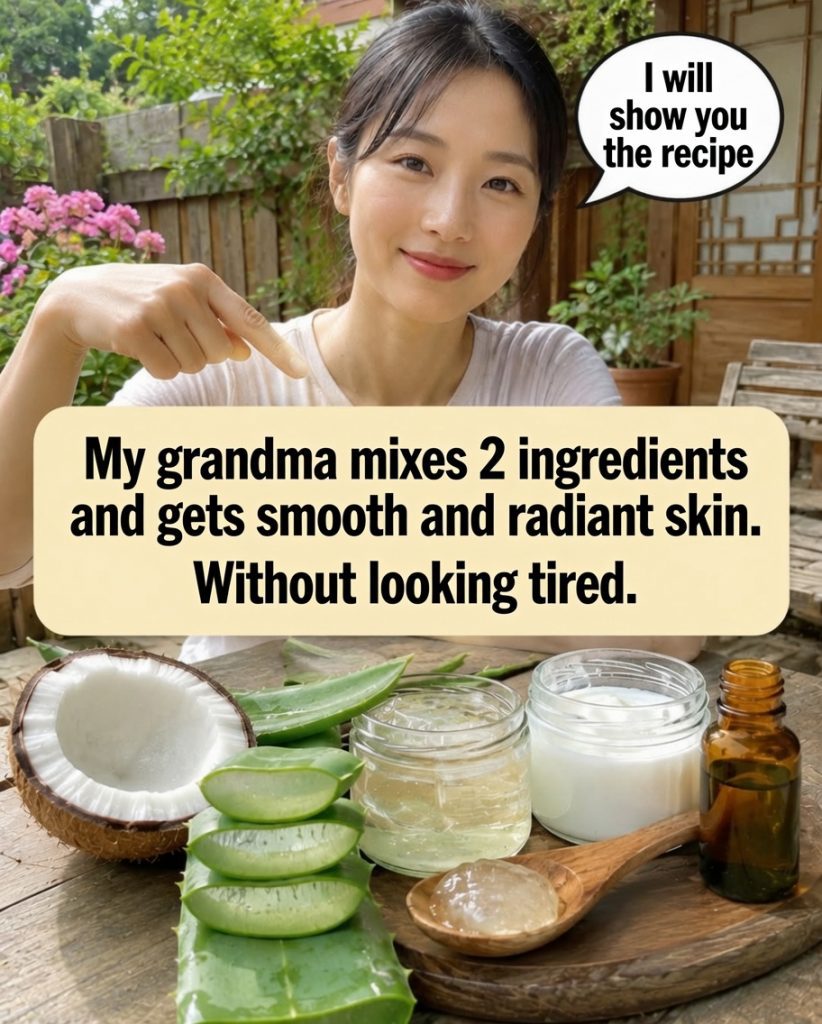
Discover How Two Natural Ingredients Can Help Support Softer, Healthier-Looking Skin
Many people spend years searching for expensive skincare products that promise flawless, radiant skin. From luxury creams to viral beauty trends, the quest for a youthful glow often leads to complicated routines and disappointing results.
Sometimes, however, the simplest ingredients can become valuable additions to a skincare routine. Two traditional favorites—aloe vera and coconut oil—have been used for generations to help keep skin feeling hydrated, soft, and refreshed.
In this article, you’ll learn about the potential benefits of these natural ingredients, how they work together, and an easy DIY skincare recipe you can try at home.
What Does Healthy, Radiant Skin Look Like?
When people talk about “glass skin” or glowing skin, they usually mean skin that appears:
- Well hydrated
- Smooth and soft
- Even in texture
- Naturally radiant
- Healthy-looking without excessive makeup
While no natural remedy can instantly transform skin overnight, consistent skincare habits may help improve the appearance and feel of your skin over time.
Aloe Vera: Nature’s Hydrating Gel
Aloe vera is widely known for its soothing gel-like texture and high water content. It has been used for centuries in skincare due to its moisturizing and refreshing properties.
Potential Benefits of Aloe Vera
- Helps maintain skin hydration
- Provides a cooling sensation
- Supports the skin’s natural moisture barrier
- Lightweight and easy to absorb
- Leaves skin feeling refreshed
Because of its gentle nature, aloe vera is often included in products designed for sensitive or dry skin.
Coconut Oil: Deep Moisture and Softness
Coconut oil contains natural fatty acids that help reduce moisture loss from the skin. It is especially popular among people with dry or mature skin seeking extra nourishment.
Potential Benefits of Coconut Oil
- Helps lock in moisture
- Supports skin softness
- Creates a smooth appearance
- Adds a natural glow
- Helps reduce dryness
However, coconut oil may not be suitable for everyone, particularly those with acne-prone or very oily skin.
Why Aloe Vera and Coconut Oil Work Well Together
These two ingredients complement each other naturally.
Aloe Vera
- Provides lightweight hydration
- Refreshes the skin
- Absorbs quickly
Coconut Oil
- Helps seal in moisture
- Supports softness
- Provides lasting nourishment
Together, they may help skin feel smoother, more hydrated, and more comfortable.
| Ingredient | Main Function | Texture | Best For |
|---|---|---|---|
| Aloe Vera | Hydration | Light Gel | Normal, Dry, Sensitive Skin |
| Coconut Oil | Moisture Retention | Rich Oil | Dry and Mature Skin |
| Combined | Hydration + Nourishment | Smooth Blend | Skin Seeking Extra Moisture |
DIY Aloe Vera and Coconut Oil Face Mask
Ingredients
- 1 tablespoon fresh aloe vera gel
- ½ teaspoon organic coconut oil
Instructions
- Carefully extract the clear gel from a fresh aloe vera leaf.
- Avoid the yellow sap near the leaf’s skin.
- Mix the aloe vera gel with the coconut oil until smooth.
- Apply a thin layer to clean skin.
- Leave on for 15–20 minutes.
- Rinse with lukewarm water.
Optional Overnight Use
A very small amount may be applied before bedtime as a moisturizing treatment if your skin tolerates coconut oil well.
Can This Help Reduce the Appearance of Fine Lines?
No homemade mask can erase wrinkles or replace professional skincare treatments.
However, well-hydrated skin often appears:
- Smoother
- Plumper
- More radiant
- More even in texture
This temporary improvement in skin appearance is one reason many people enjoy moisturizing skincare routines.
Common Mistakes to Avoid
To get the most from this natural skincare remedy:
Avoid Applying Too Much Oil
Using excessive coconut oil may leave skin feeling greasy and could clog pores in some individuals.
Always Patch Test First
Apply a small amount to your inner arm and wait 24 hours before using it on your face.
Be Careful With Acne-Prone Skin
If you frequently experience breakouts, consult a dermatologist before using coconut oil on your face.
Lifestyle Habits That Support Healthy Skin
Skincare products work best when combined with healthy daily habits.
Stay Hydrated
Drinking enough water helps support overall skin health.
Get Quality Sleep
Your skin undergoes important repair processes during sleep.
Eat Nutrient-Rich Foods
Fruits and vegetables rich in vitamins and antioxidants may support healthy skin.
Protect Your Skin From Excessive Sun Exposure
Daily sun protection is one of the most important steps for maintaining healthy-looking skin.
Who Should Avoid This Remedy?
This mixture may not be suitable for everyone.
You should use caution if you:
- Have very oily skin
- Are prone to acne breakouts
- Have allergies to aloe vera or coconut
- Have sensitive skin conditions requiring medical treatment
If unsure, seek professional skincare advice before use.
Frequently Asked Questions
How often can I use this mask?
Most people find that using it 2–3 times per week is sufficient.
Can I use it every day?
Daily use is usually unnecessary and may be too heavy for some skin types.
Is it suitable for all skin types?
It tends to work best for dry or mature skin. Those with oily or acne-prone skin should use caution.
Final Thoughts
Aloe vera and coconut oil are two simple natural ingredients that may help support a moisturizing skincare routine. While they are not miracle cures and cannot replace professional treatments, they can contribute to softer, smoother, and healthier-looking skin when used consistently.
The key to long-term skin health is a combination of:
- Consistent skincare habits
- Balanced nutrition
- Proper hydration
- Adequate sleep
- Sun protection
Sometimes, the simplest ingredients can become valuable additions to your daily self-care routine.
Disclaimer
This article is for informational purposes only and does not constitute medical advice. Always consult a qualified healthcare professional or dermatologist regarding any skin concerns or before trying new skincare treatments.