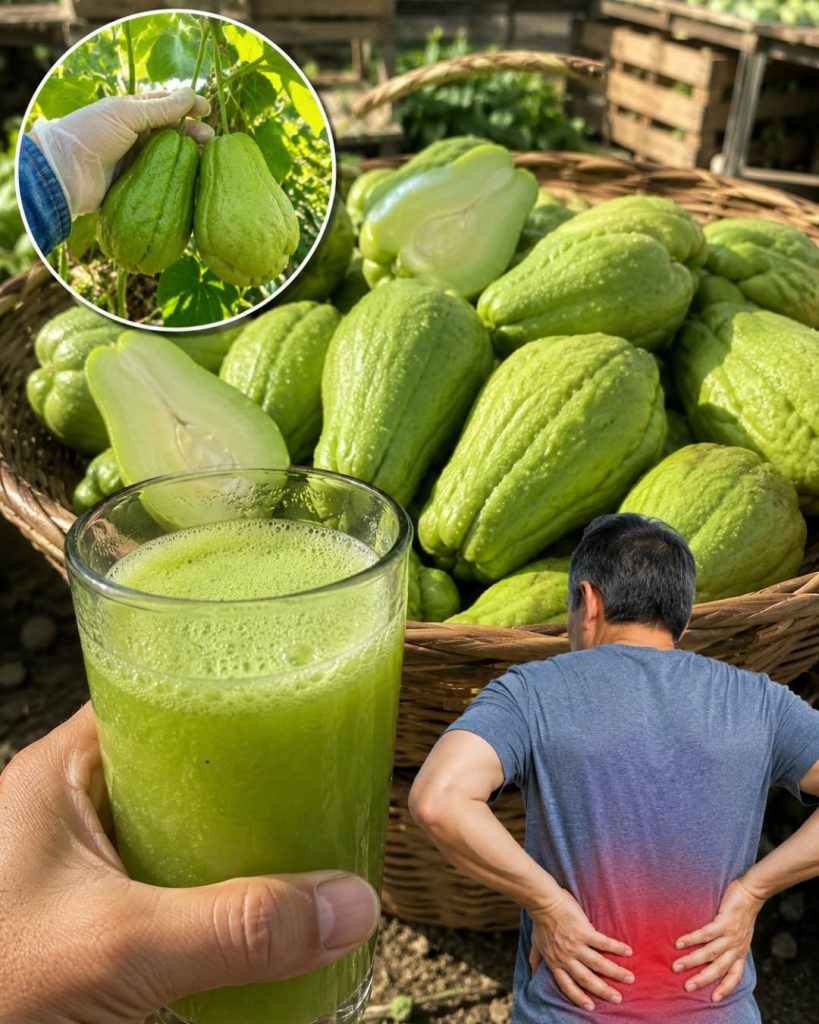
Looking for a refreshing and hydrating drink that does more than simply quench your thirst? Chayote juice may be the natural wellness drink missing from your daily routine. Made with chayote — a soft, crunchy green vegetable also known as Sechium edule — this underrated beverage is quickly gaining popularity among health-conscious people.
Once mainly used in stir-fries and soups, chayote is now becoming a star ingredient in functional drinks, offering a wide range of potential benefits.
What Is Chayote Juice?
Chayote is a pear-shaped green vegetable native to Latin America and commonly used in Asian cuisine. When blended, it turns into a mild-tasting, low-calorie drink rich in nutrients. It is light, hydrating, and packed with vitamins, making it a great option for daily wellness.
1. Main Nutritional Benefits
1.1 Rich in Antioxidants
Chayote contains vitamin C and plant flavonoids that help neutralize free radicals. These compounds may help support cellular protection and overall wellness.
1.2 Highly Hydrating
With more than 90% water, chayote juice is naturally hydrating and provides electrolytes, especially potassium, which is important after exercise or exposure to heat.
1.3 Gut-Friendly
Its fiber and natural plant compounds may support digestion, promote regular bowel movements, and contribute to a balanced gut routine.
1.4 Supports Balanced Blood Sugar Habits
Because chayote is low in calories and contains fiber and minerals, it can be part of a balanced eating plan for people who are mindful of sugar intake.
1.5 Heart-Friendly Nutrients
Chayote provides potassium, fiber, and antioxidants, nutrients commonly associated with heart-friendly eating patterns.
1.6 Helpful for Weight-Conscious Diets
Low in calories and naturally light, chayote juice may help support a mindful eating routine without adding excess energy.
1.7 Skin Nutrition Support
Its vitamin C content supports normal collagen production, while antioxidants help support overall skin wellness.
2. Functional Uses
2.1 A Naturally Light Drink
Chayote juice is often enjoyed as a gentle, refreshing beverage that supports hydration.
2.2 Plant Compounds of Interest
Some studies have explored chayote’s antioxidant and anti-inflammatory potential, although more human research is still needed.
2.3 Hydration and Daily Wellness
Because it is water-rich and mild in flavor, chayote juice can be a useful addition to smoothies, juices, or light morning drinks.
2.4 Pregnancy Nutrition Note
Chayote contains folate, a nutrient important during pregnancy. However, pregnant women should consult a healthcare professional before consuming it regularly in juice form.
2.5 Immune Support Nutrients
Thanks to its vitamin C content, chayote can contribute to a diet that supports normal immune function.
2.6 Skin Care Use
Some people use chayote in homemade skin care routines, but it should be used carefully and avoided on irritated or broken skin.
3. How to Prepare Chayote Juice
Basic Recipe
Wash and peel 1 to 2 fresh chayotes.
Blend with 1 cup of water.
Strain if desired.
Drink immediately for the freshest taste.
4. Flavor Combinations
Green Mix
Chayote + cucumber + celery + mint
Sweet Blend
Chayote + pineapple + apple + ginger
Warm Infusion
Boil chopped chayote with ginger.
Protein Smoothie
Chayote + oats + Greek yogurt + almond butter
5. Usage and Safety Recommendations
Daily Intake
One serving per day is enough for most general wellness routines.
Suggested Times
Morning hydration: enjoy it early in the day.
After exercise: use it as a light rehydrating drink.
With meals: pair it with balanced foods for better nutrition.
Safety Notes
Chayote contains potassium, so people with kidney disease should be cautious.
It may not be suitable for people taking certain medications, including diuretics or diabetes medication.
Start with a small amount to see how your body reacts.
6. Chayote Juice vs. Other Juices
Chayote Juice vs. Cucumber Juice
Chayote has a mild taste and may offer slightly more texture and fiber when not strained.
Chayote Juice vs. Aloe Vera Juice
Chayote is usually gentler as a food-based drink.
Chayote Juice vs. Spinach Juice
Chayote is lighter in flavor and lower in intensity.
Chayote Juice vs. Celery Juice
Both are hydrating, but chayote has a softer taste and lower natural saltiness.
7. Scientific Interest
Preliminary laboratory and animal studies have explored chayote’s antioxidant, metabolic, and anti-inflammatory potential. However, human research is still limited, so chayote juice should be viewed as a nutritious beverage rather than a medical treatment.
8. Easy Recipes to Try
Morning Green Juice
Chayote + cucumber + mint
Sunrise Smoothie
Chayote + pineapple + oats
Warm Ginger Drink
Chayote + ginger + honey
Fresh Mint Cooler
Chayote + lemon + fresh mint
9. Frequently Asked Questions
Can I eat chayote raw?
Yes, chayote can be eaten raw when washed properly.
Is it suitable for people with diabetes?
It may fit into a balanced diet in moderation, but people with diabetes should monitor their intake and follow medical guidance.
How should I store leftovers?
Store in an airtight container in the refrigerator for up to 24 hours.
Is it better raw or juiced?
Eating chayote raw provides more fiber, while juicing makes it easier to drink.
Who should avoid it?
People with kidney disease or those on low-potassium diets should speak with a healthcare professional first.
Final Thoughts
Chayote juice is a light, refreshing, and nutrient-rich drink that can be added to a balanced lifestyle. From hydration and digestive support to skin-friendly nutrients and easy recipes, this humble vegetable offers a simple way to enjoy more plant-based foods.
Drink it fresh, add it to smoothies, or try it as a warm infusion. However you prefer it, chayote juice can be a pleasant step toward a healthier daily routine.
Disclaimer: This content is for educational purposes only and does not replace medical advice. Chayote juice is not intended to diagnose, treat, cure, or prevent any disease. Always consult a qualified healthcare professional if you have a medical condition, take medication, are pregnant, or have specific dietary restrictions.