Rosemary (Salvia rosmarinus, formerly Rosmarinus officinalis) has been treasured for centuries as both a culinary herb and a traditional botanical used in everyday wellness practices. Its distinctive aroma and bold flavor have made it a staple in Mediterranean kitchens, while its fragrant leaves have long been used in herbal teas, massage oils, aromatic baths, and home remedies.
Although rosemary has a rich history in traditional herbal medicine, it is not a substitute for professional medical care or prescribed treatments. Instead, it can be enjoyed as part of a balanced lifestyle that includes nutritious food, regular physical activity, and healthy daily habits.
In this guide, you’ll learn what makes rosemary unique, how to use it at home, and practical ways to include this versatile herb in your routine.
What Makes Rosemary Special?
Rosemary naturally contains a variety of plant compounds that contribute to its aroma and traditional uses, including:
- Rosmarinic acid
- Carnosol
- Flavonoids
- Essential oils
Researchers continue to study these compounds because of their antioxidant activity and other biological properties. While the findings are promising, more research is needed to determine their effects on specific health conditions.
Traditional Uses of Rosemary
For generations, rosemary has been used in many ways, including:
- Herbal tea
- Culinary seasoning
- Aromatic baths
- Massage oils
- Steam inhalation
- Home fragrance
Its versatility is one reason it remains one of the world’s most popular herbs.
Potential Wellness Benefits
Rich in Antioxidants
Rosemary contains naturally occurring antioxidants that help protect cells from oxidative stress caused by everyday environmental factors.
Including antioxidant-rich herbs and vegetables in your diet supports overall health.
Supports Digestive Comfort
Rosemary tea has traditionally been enjoyed after meals as part of digestive wellness routines.
Many people appreciate it as a warm, caffeine-free herbal beverage.
Refreshing Aroma
The distinctive fragrance of rosemary makes it a popular herb for creating a fresh, relaxing atmosphere at home.
Its aroma is often used during study sessions, meditation, or relaxation routines.
A Flavorful Alternative to Excess Salt
Because rosemary has a bold taste, it can add flavor to meals while helping reduce the need for excessive salt in some recipes.
Rosemary Tea Recipe
One of the easiest ways to enjoy rosemary is as an herbal infusion.
Ingredients
- 1 teaspoon fresh or dried rosemary leaves
- 1 cup (250 ml) hot water
Optional:
- Honey
- Lemon
Directions
- Bring water to a boil.
- Pour it over the rosemary.
- Cover and steep for 8–10 minutes.
- Strain before drinking.
- Add honey or lemon if desired.
Enjoy warm as part of your daily routine.
Homemade Rosemary Massage Oil
Herbal-infused oils are popular in traditional self-care.
Ingredients
- Fresh rosemary sprigs
- Extra-virgin olive oil
Directions
- Place the rosemary in a clean glass jar.
- Cover completely with olive oil.
- Seal the jar.
- Allow it to infuse in a cool, dry place for about two weeks.
- Strain before use.
Use the oil for gentle massage after exercise or as part of a relaxing evening routine.
This oil is intended for external use only.
Relaxing Rosemary Bath
A warm herbal bath can be a comforting way to unwind.
Directions
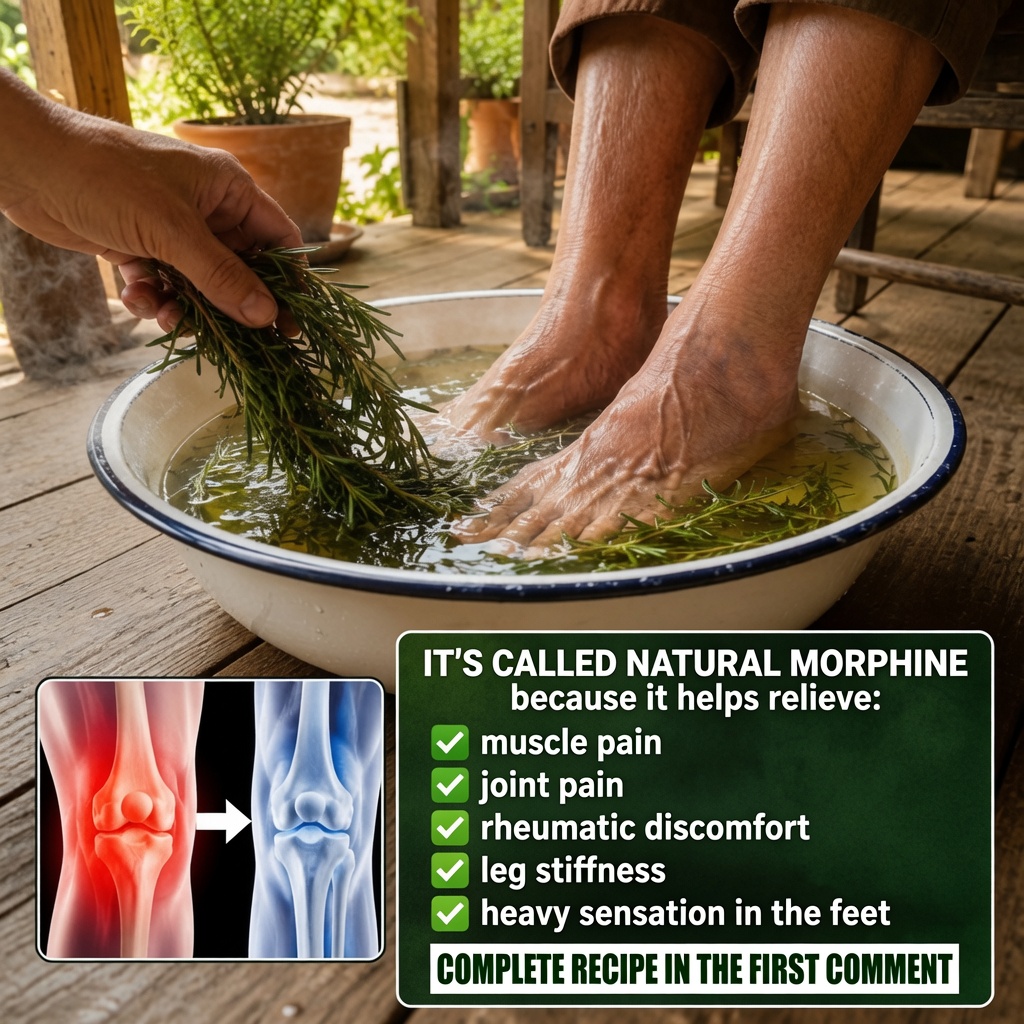
- Simmer a handful of rosemary in water for about 10 minutes.
- Strain the liquid.
- Add the infusion to warm bathwater.
- Soak for 15–20 minutes.
Many people enjoy this ritual after a long day or physical activity.
Rosemary Steam
Warm herbal steam is another traditional use for rosemary.
Directions
- Add rosemary leaves to a bowl of hot water.
- Sit at a safe distance from the steam.
- Inhale gently for several minutes.
Always avoid direct contact with very hot steam to prevent burns.
Cooking with Rosemary
Fresh or dried rosemary pairs well with many dishes, including:
- Roasted chicken
- Lamb
- Fish
- Potatoes
- Vegetables
- Soups
- Homemade bread
- Olive oil marinades
A little rosemary goes a long way because of its concentrated flavor.
Growing Rosemary at Home
Rosemary is easy to grow in many climates.
It thrives with:
- Plenty of sunlight
- Well-drained soil
- Moderate watering
- Good air circulation
It grows well in:
- Garden beds
- Raised planters
- Balcony pots
- Sunny kitchen windows
A healthy rosemary plant can provide fresh leaves throughout much of the year.
Easy Ways to Add Rosemary to Your Routine
Consider incorporating rosemary by:
- Brewing herbal tea
- Seasoning roasted vegetables
- Adding fresh sprigs to soups
- Preparing homemade infused oil
- Enjoying a relaxing herbal bath
- Growing a small rosemary plant at home
Small daily habits often make healthy living easier to maintain.
Safety Considerations
Rosemary is generally safe in normal culinary amounts.
However, keep these precautions in mind:
- Avoid excessive consumption of concentrated rosemary products.
- Pregnant individuals should consult a healthcare professional before using herbal supplements.
- Rosemary essential oil should never be swallowed unless directed by a qualified healthcare provider.
- People with epilepsy or other neurological conditions should seek medical advice before using concentrated essential oils.
If you experience an allergic reaction, discontinue use immediately.
Frequently Asked Questions
Can I drink rosemary tea every day?
Many healthy adults enjoy rosemary tea in moderation. If you have medical conditions or take prescription medications, consult your healthcare provider before making herbal teas a regular habit.
Is rosemary only used for cooking?
No. Rosemary has long been used in traditional herbal teas, massage oils, aromatic baths, steam inhalation, and home fragrance.
Does rosemary relieve pain?
Some laboratory studies have investigated rosemary’s naturally occurring compounds, but there is not enough evidence to recommend rosemary as a treatment for pain or inflammatory diseases. It should not replace medical care.
Final Thoughts
Rosemary is much more than a flavorful culinary herb. Its pleasant aroma, traditional uses, and naturally occurring plant compounds have made it a favorite in kitchens and homes around the world for generations.
Whether you enjoy it as a cup of herbal tea, a fragrant seasoning, a homemade massage oil, or a relaxing bath infusion, rosemary offers a simple way to bring more natural ingredients into your everyday routine. Combined with balanced nutrition, regular exercise, quality sleep, and good self-care habits, this classic Mediterranean herb can be part of a healthy and enjoyable lifestyle.